Asics Gel Nimbus 28 review



92 other reviews
Asics Gel Nimbus 28 Verdict
The pros
- Stiff forefoot creates a forefoot rocker
- More nimble than its predecessors
- Significantly lighter than version 27
- Soft and luxurious upper
The cons
- Firmer ride than most max-cushioned trainers
- Midsole foam feels outdated
- Narrow toe-box


Rating breakdown
Facts / Specs


Size/Fit


Cushioning & ride


Usage

Who should buy the Asics Gel Nimbus 28 ?
If you’re looking for a comfortable and non squishy max-cushioned trainer, the Nimbus 28 is a good option.
If you find the ASICS Novablast 5 too soft and too flexible, the Nimbus 28 is a good replacement.
Who should not buy the Asics Gel Nimbus 28 ?
If you want a really exciting, bouncy ride, the Nimbus 28 will feel too bland for you.
If you want a versatile trainer that you can use for speed work, the Nimbus 28 will feel too slow for you.
Asics Gel Nimbus 28 Introduction

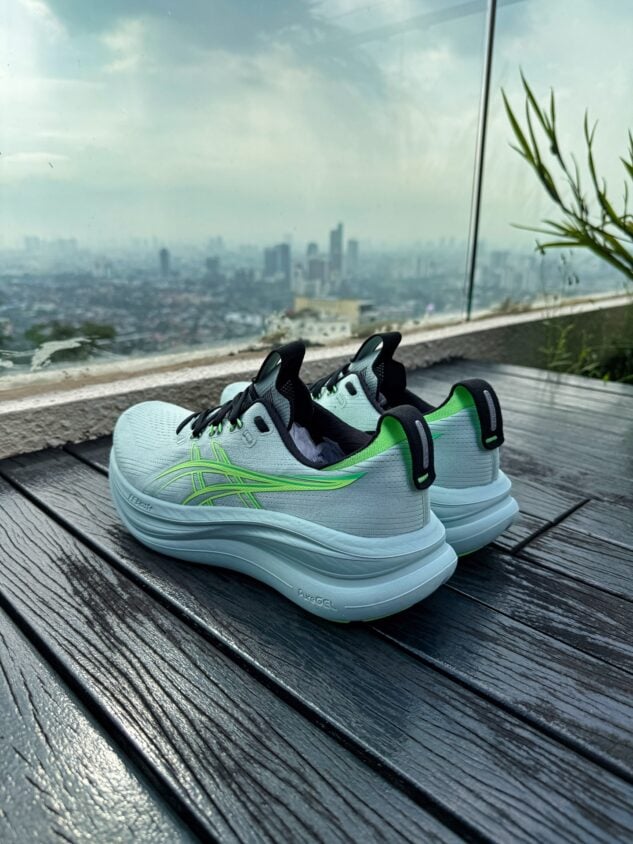
These days, max-cushioned trainers above 300 grams (10.6 oz) just don’t cut it. Recently, we’ve been led to believe that lighter is always better, even when it comes to training shoes. Heavy shoes are a thing of the past.
At its heaviest, the Nimbus 12 (launched in 2010) weighed 345 grams (12.1 oz) for a men’s US 9. Most of the weight came from the dense gel, the rigid plastic pieces under the arch and the thick, synthetic leather overlays.
I’ve run in 5 different versions of the Nimbus over the years. My favourite was the Nimbus 24 because of how squishy and engaging its ride was.
The Nimbus 28 of 2026 weighs only 281 grams (9.9 oz). This is 24 grams (0.9 oz) lighter than its predecessor. They managed to lower the weight by changing the upper material, reducing the outsole rubber and by sculpting the midsole.
The Nimbus 28 is a much more competitive weight compared to predecessors; however, it’s still heavier than other max cushioned trainers like the Saucony Triumph 23 and the ASICS GlideRide Max. The price of the Nimbus 28 has gone up $5 to $170 which is one of the more expensive max cushioned options.
Asics Gel Nimbus 28 First Impressions


My first run in the Nimbus 28 was a recovery 8 km run. I was surprised how firm the ride felt. It felt much firmer than other recent maximalist trainers like the New Balance 1080v15 and the Nike Vomero Premium.
The Nimbus 28 felt like a really cushioned, stable daily trainer. The significant weight reduction made it feel more nimble and more pleasant to run in.
It reminded me of the Mizuno Wave Sky 9, PUMA’s max-cushioned trainer, however, the Nimbus 28 felt a bit lighter and more versatile.
Asics Gel Nimbus 28 Upper


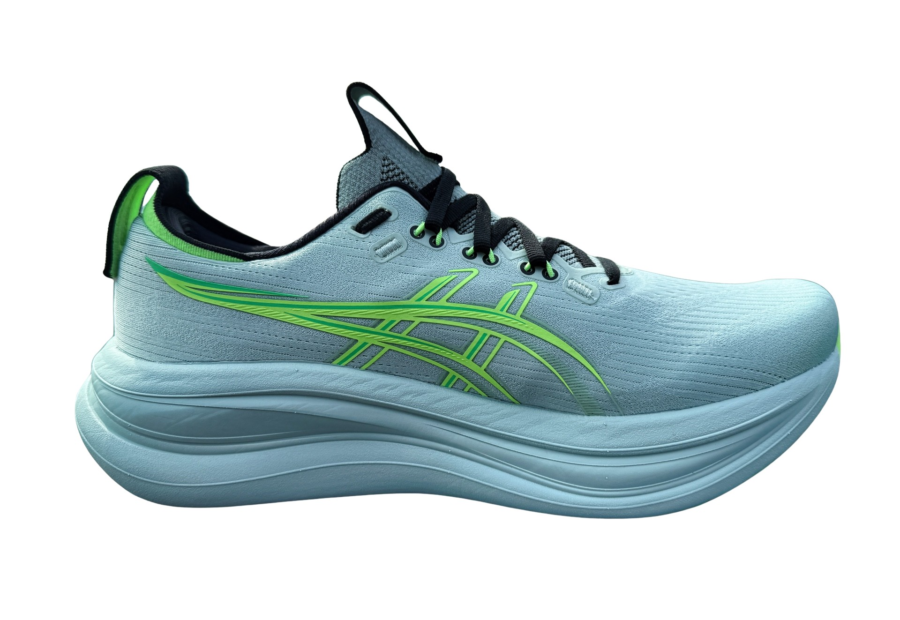
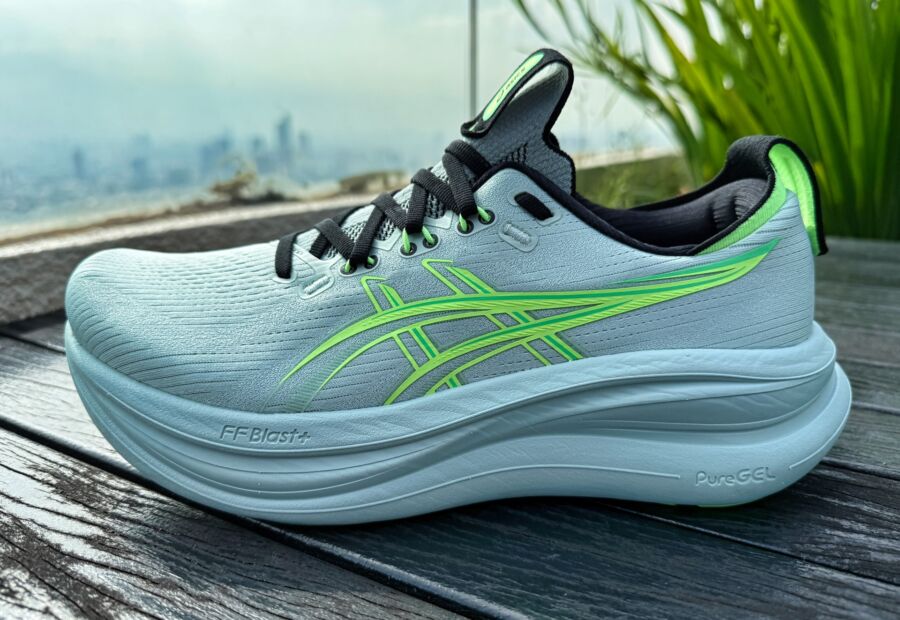
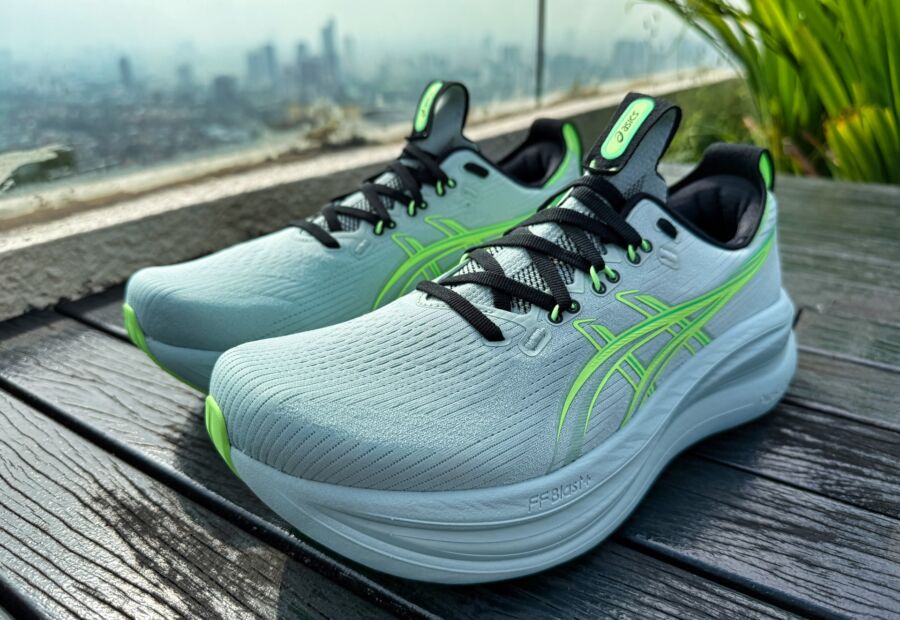
The Nimbus 28 has a soft, smooth, luxurious feeling upper but breathability isn’t the best. The engineered knit isn’t very porous so it’s more suited to cool climates than warm ones.
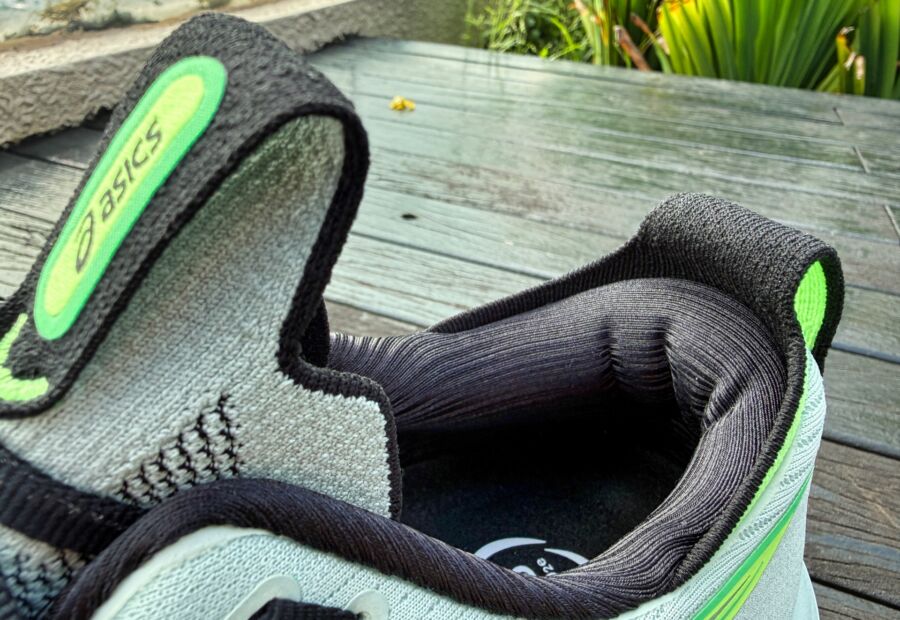
The semi-gusseted tongue is flat and knitted and it stays in place while you’re running. Heel lockdown is also very good. The best features are the tongue and heel pull tabs which makes it a pleasure to put on.
There is a reflective strip on the heel pull tab for safety. It fits true to size lengthwise; however, it’s built on a narrow last that’s suited to narrow feet. I experienced some toe rubbing against the side of the toe box so I would get the wide version if I had to buy it again. It comes in wide and extra wide versions.
Asics Gel Nimbus 28 Sole Unit


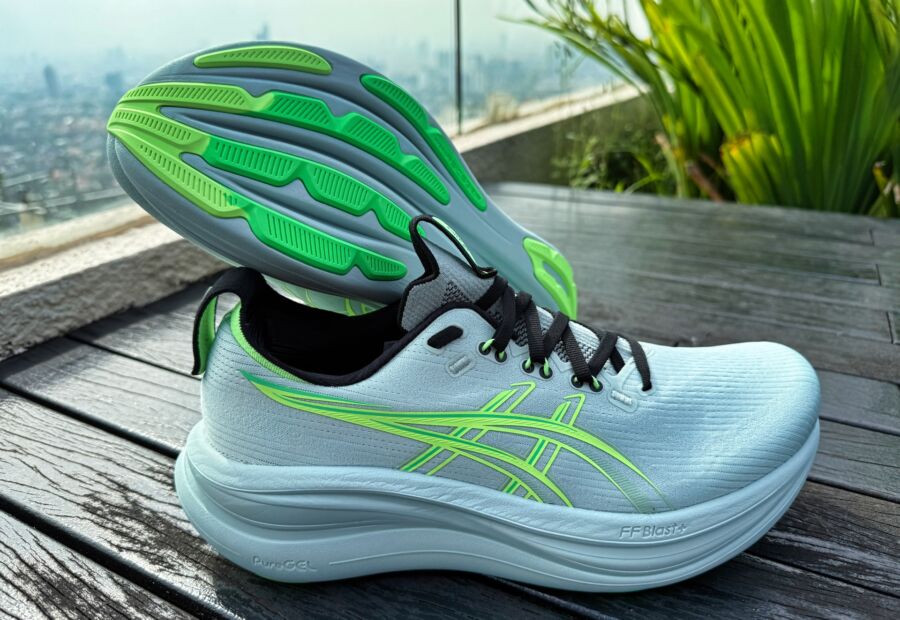
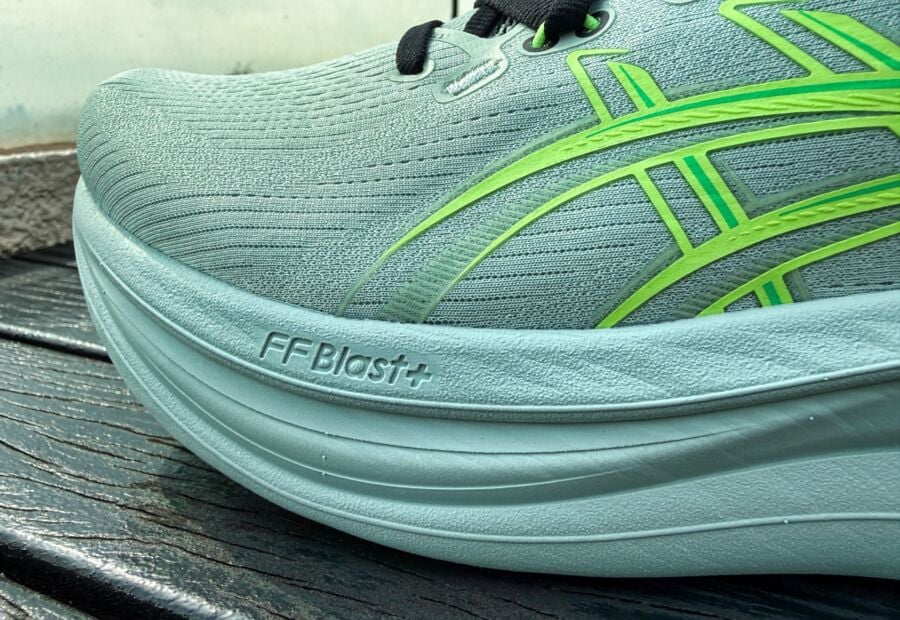
Unlike the advertising suggests, the Nimbus 28 doesn’t have a marshmallow, pillow-soft ride that feels like you’re landing on clouds. The way that the FF Blast+ foam in the Nimbus 28 is tuned is firmer than most of the modern max-cushioned trainers. Even the Novablast 5 is softer.
This is done on purpose with the new ASICS Gel-Slowcush coming soon. The lighter than ever Nimbus 28 is designed to be a more versatile daily training option rather than a max-cushioned trainer for only recovery runs.
I enjoy the Nimbus 28 most for easy and recovery runs because it doesn’t have much pop during toe offs. It can do steady paced runs but it wouldn’t be my first choice. The ASICS GlideRide Max is a better option for steady paces.
The FF Blast+ foam in the Nimbus 28 doesn’t have a very bouncy or energetic ride. ASICS’ other foams FF Blast Max, FF Turbo+ and FF Leap all feel more engaging and more modern than FF Blast+ so the Nimbus 28 has a flat ride that may come across as boring if you’re used to better midsole foams.


There’s still gel in the midsole in the form of a hidden PureGel insert in the heel but I don’t feel it at all. They should just remove it and make the Nimbus even lighter.
The Nimbus 28 has a very stiff forefoot for a shoe with no plate or stiffening device. This creates a pleasant forefoot rocker that smoothens the ride and makes transitions faster. I did a 30 kilometre long run in the Nimbus 28 which felt relatively easy in terms of effort.
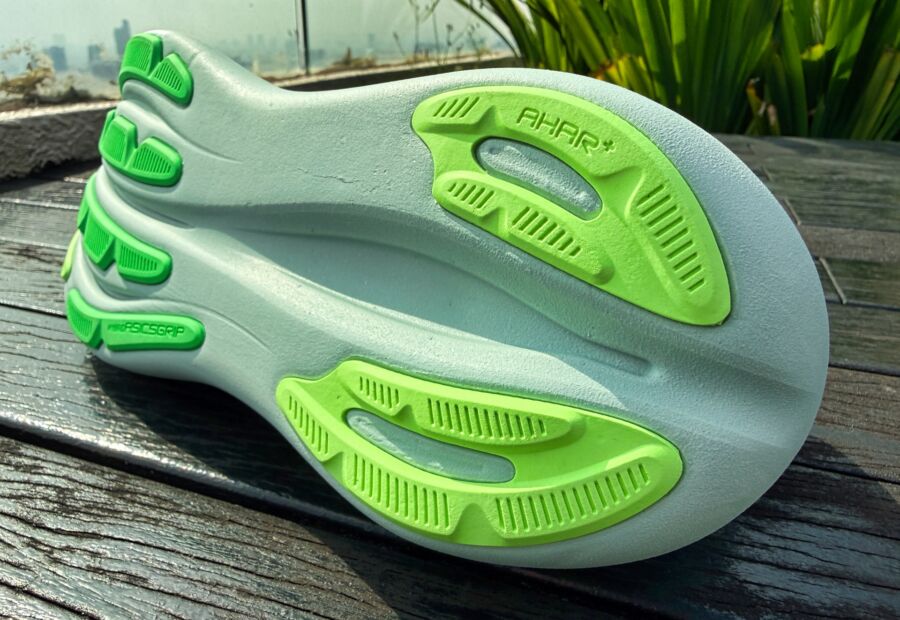
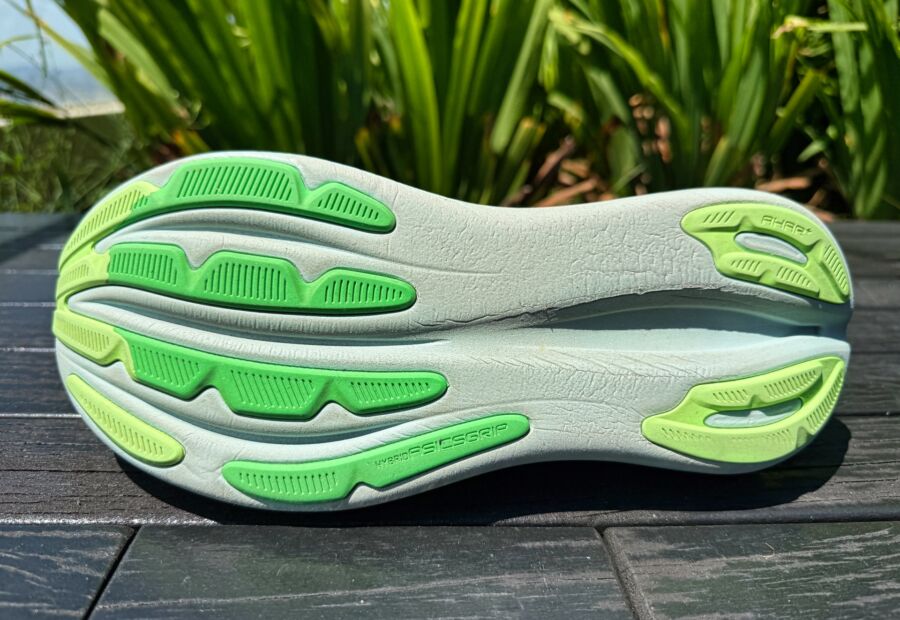
I’m a fan of the new outsole design. There’s much less rubber than previous Nimbus versions and this results in more ground feel. There are also deeper grooves in the forefoot and rearfoot which allows for more compression and creates a softer ride.
There are two types of rubber on the outsole: softer ASICSGRIP on the forefoot and firmer AHAR+ on the rearfoot. I’ve found the durability of the rubber to be above average during my time of testing.
Asics Gel Nimbus 28 Conclusions

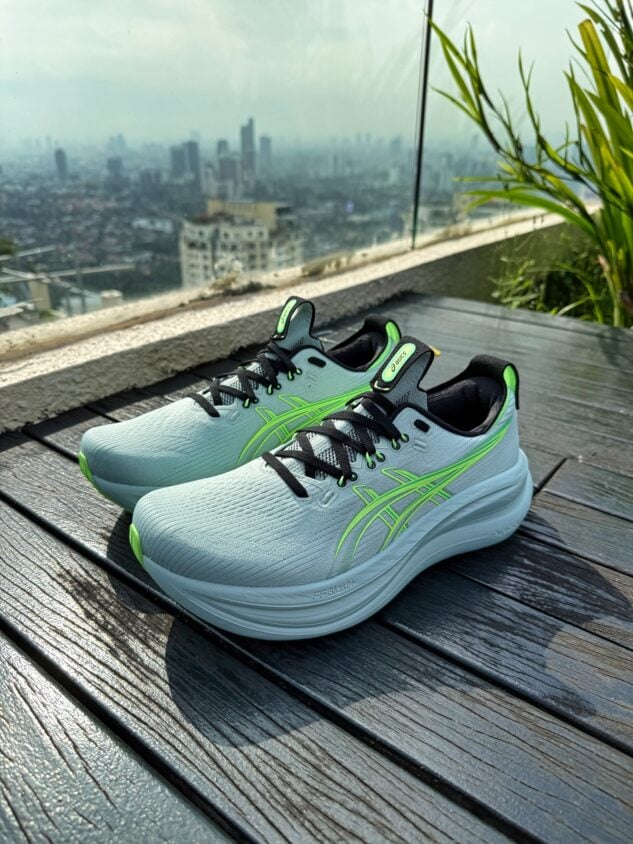
The Nimbus 28 is a good update for the mere fact that they’ve managed to make it almost an ounce (24 grams) lighter than its predecessor. If you buy the Nimbus every year, you’ll be more than happy with the 28 because it has a similar ride to the past 3 versions.
The Nimbus 28 is probably the best version to date due to its weight, its high stack height and its comfort level. It’s one of the most comfortable trainers I’ve tested over the past 12 months- I just wish its toe box was a bit wider.
I enjoy running in the Nimbus 28 but I find its ride a bit flat and boring compared to competitors. ASICS need to breathe life into the midsole by adding in a more exciting, more lively foam. Hopefully, the Nimbus 29 will also get FF Blast Max like the Kayano 33.
The Nimbus 28 doesn’t feel like it deserves its $170 price tag. It feels like a max-cushioned ride from 3 years ago that’s just a bit lighter.
I get the feeling that ASICS designed it for walking, standing and casual wear as much as running. This is the template that’s worked so well for shoes like the Nimbus the HOKA Bondi over the years.
How does the Gel Nimbus 28 compare?
Asics Gel Nimbus 27

Asics Gel Nimbus 28
Nike Pegasus Plus

Why you can trust us
As editorial policy, we do not accept free samples from companies.We purchased this pair of Asics at Running Warehouse with our own money.
This page contains affiliate links. As an Amazon Associate we earn from qualifying purchases. Read more about our policy.


Reviewed by Michael

Michael Mason-D’Croz lives in Lincoln, Nebraska, working as a Spanish Teacher and soccer coach. Because training isn’t enough, he gets to chase around his almost 2-year-old daughter when he gets home from work and runs. On his free time — what little of it there is — he likes to play board games and sample tasty local beers.
User feedback (0)
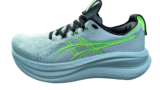

Similar shoes to Asics Gel Nimbus 28

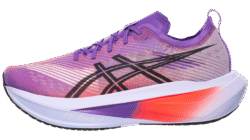
ASICS MEGABLAST Review


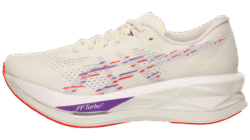
ASICS SONICBLAST Review