Nike Structure Plus review
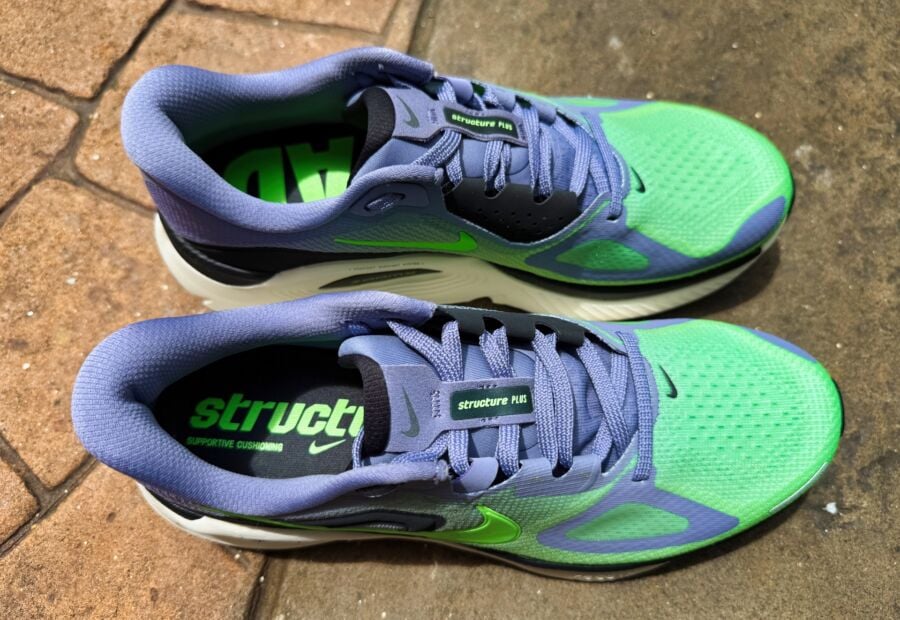

Nike Structure Plus Verdict
The pros
- Raised midsole sidewalls provide a moderately supportive ride
- Durable outsole without excessive use of rubber
- Excellent foot lockdown
- Plush step in feel
The cons
- Not as stable as other stability trainers
- On the heavy side for a daily trainer
- Narrow midfoot


Rating breakdown
Facts / Specs


Size/Fit


Cushioning & ride


Usage

Who should buy the Nike Structure Plus ?
If you need a stable trainer with high sidewalls to prevent excess ankle roll, the Structure Plus is a good option.
If you find the regular structure too firm or uncomfortable, the Structure Plus feels softer and more luxurious.
Who should not buy the Nike Structure Plus ?
If you have flat feet or a wide midfoot, you’ll find the narrow midfoot of the Structure Plus too constricting.
If you want a modern stability trainer that feels like a supportive neutral ride, the Structure Plus will feel too traditional.
Nike Structure Plus Introduction

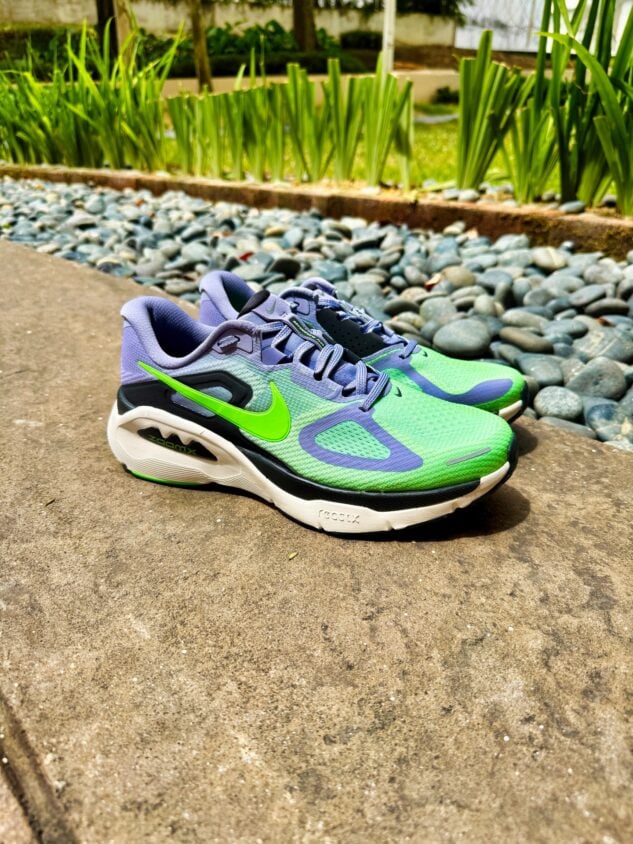
The Nike Structure has had a roller-coaster ride in the past 5 years. The lowest low was when Nike discontinued the Structure series and replaced it with the Infinity Run. Now, it’s one of their 3, main, core series’, along with the Pegasus and the Vomero.
In the Structure family, there’s the Structure 26, which is the base model, the mid range Structure Plus and the top of the range Structure Premium that’s coming out later this year.
I’m a light over pronator but I have flat arches so I hate the feeling of a firm medial post poking into my arch.
I’ve been running in the Structure since version 18 and my favourite version was 23.
The Structure 23 felt stable without the use of a poking arch or a firm medial post. It also didn’t feel firm or blocky like other traditional stability trainers such as the ASICS Kayano.
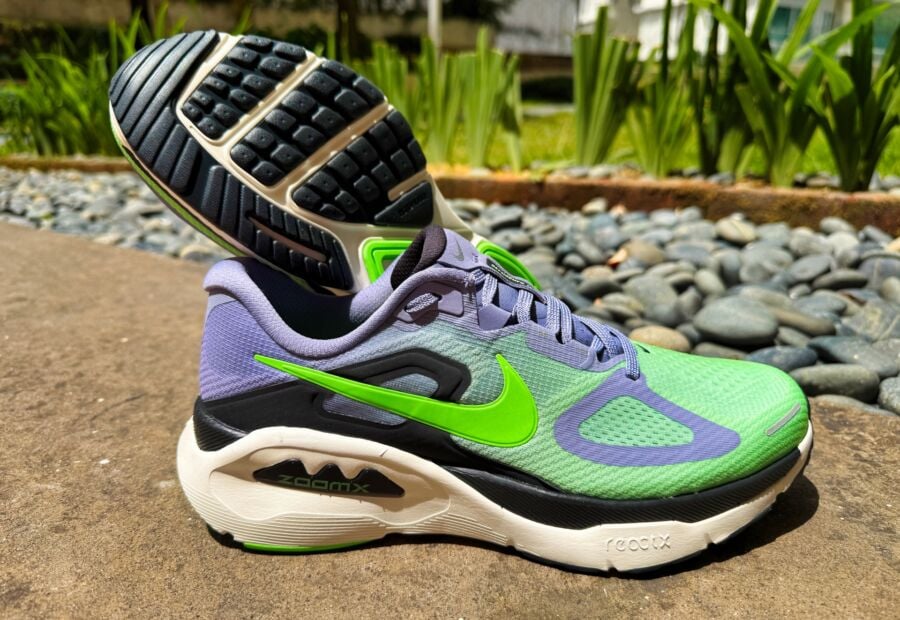
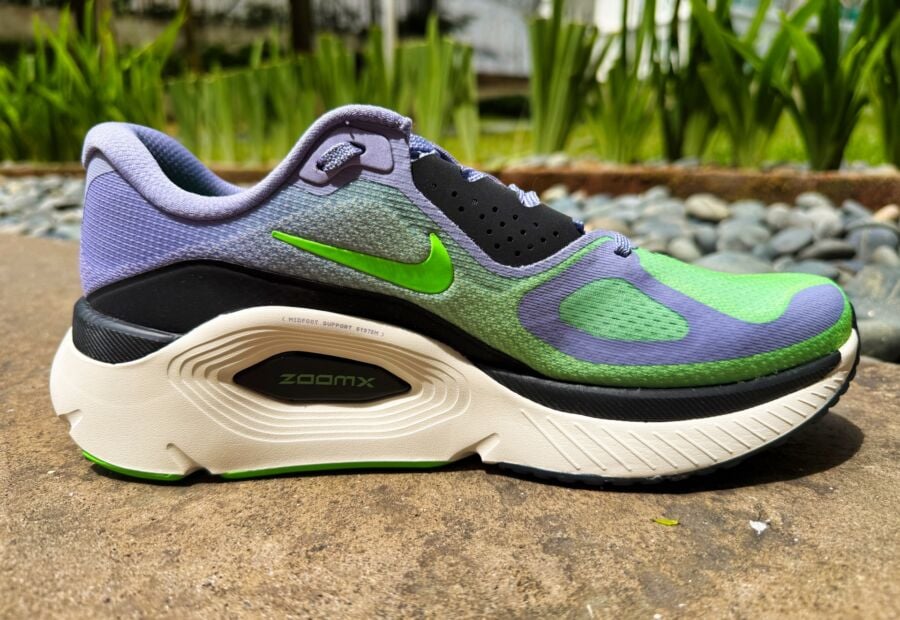
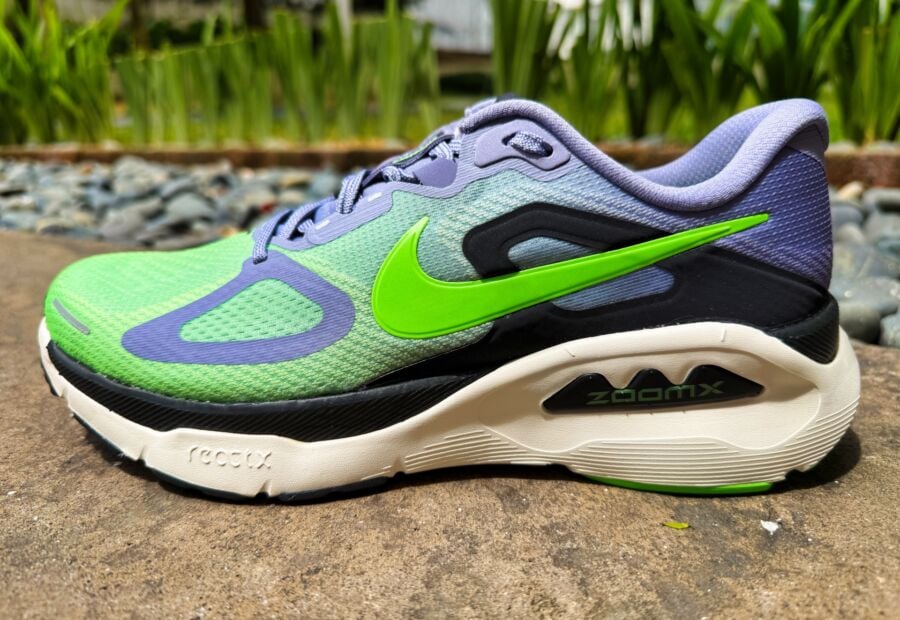
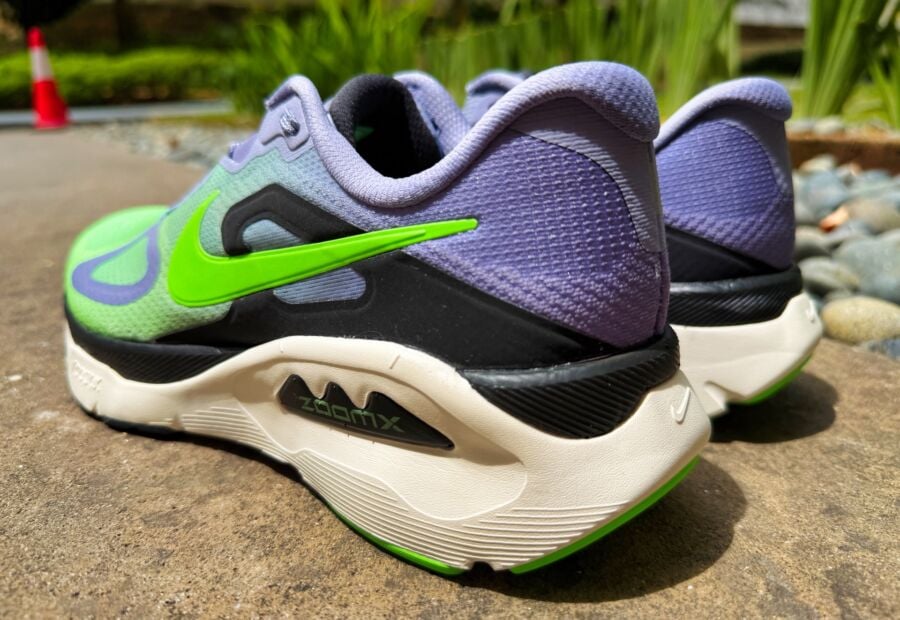
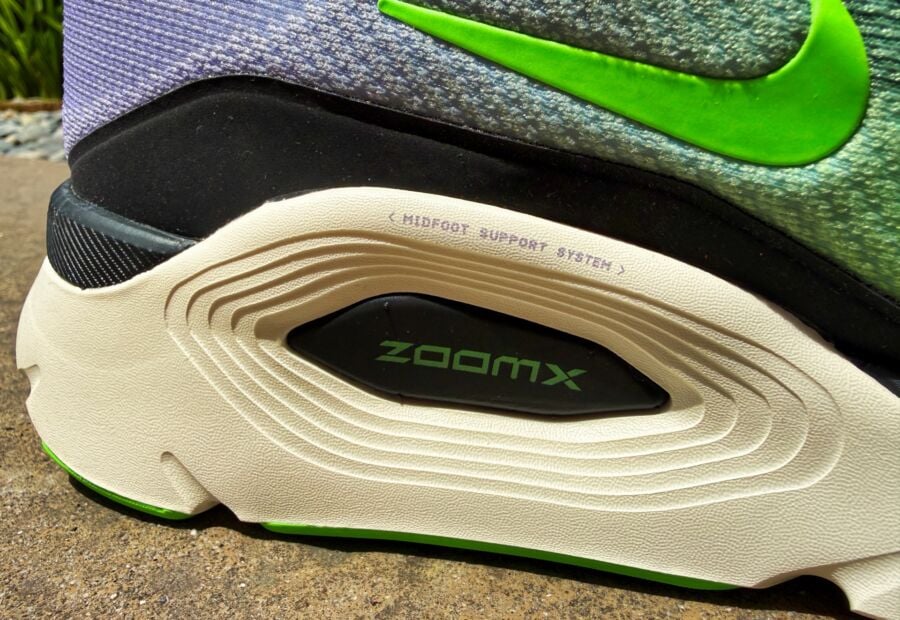
The Structure Plus is designed to be a more premium version of the Structure 26 that came out last year. The Structure Plus gets ZoomX in its midsole, Nike’s premier midsole foam. ZoomX has never featured in any Structure version before this.
The Structure Plus weighs 295 grams (10.4 oz) for a men’s US 9. This is exactly the same weight as the Structure 26 but the Structure Plus has 4 mm more heel and forefoot stack height. It costs $25 more than the Structure 26.
Testing Details
- 12 km easy at 5:48 per km
- 10 km easy at 6:18 per km
- 8 km easy at 6:35 per km
- 12 km easy at 6:14 per km
- 6 km recovery at 7:38 per km
- 10 km easy at 5:58 per km
- 10 km easy at 5:43 per km
- 11 km easy at 6:48 per km
- 8 km warm up and cool down at 6:30 per km
Nike Structure Plus First Impressions

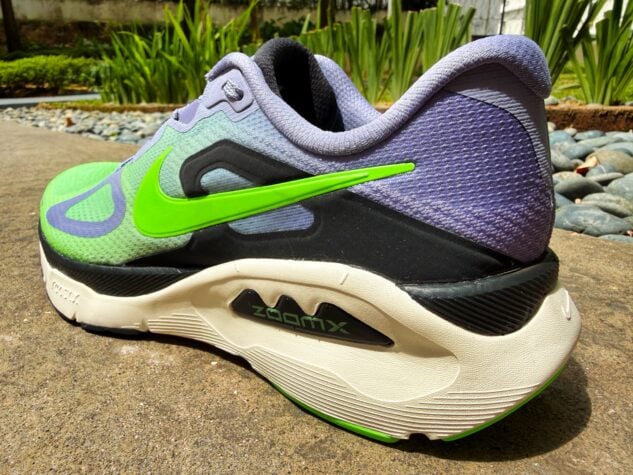
The first time I put the Structure Plus on, I could feel the soft layer of ZoomX under my feet. It had a really pleasant, plush step in feel. It felt very different to previous Structure versions.
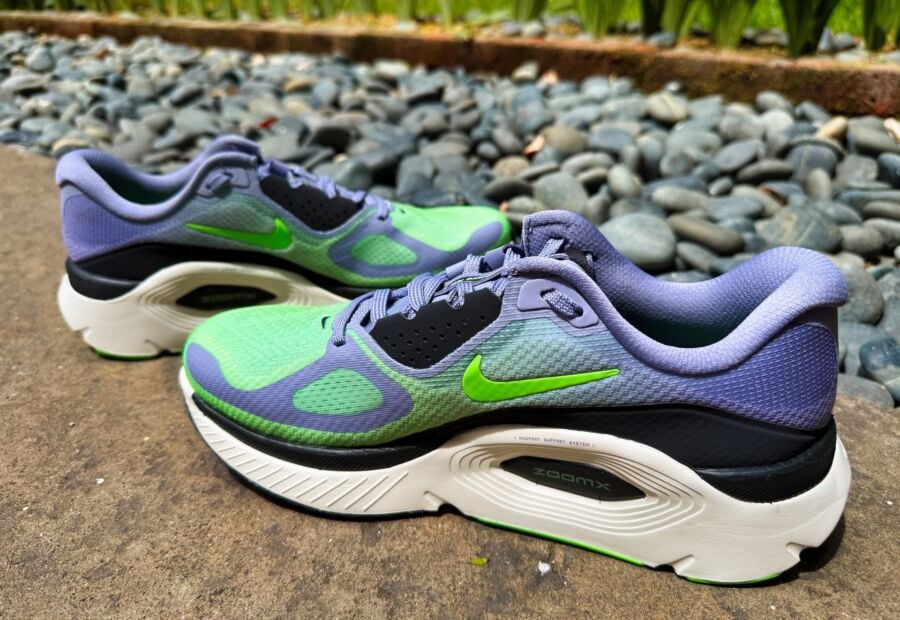
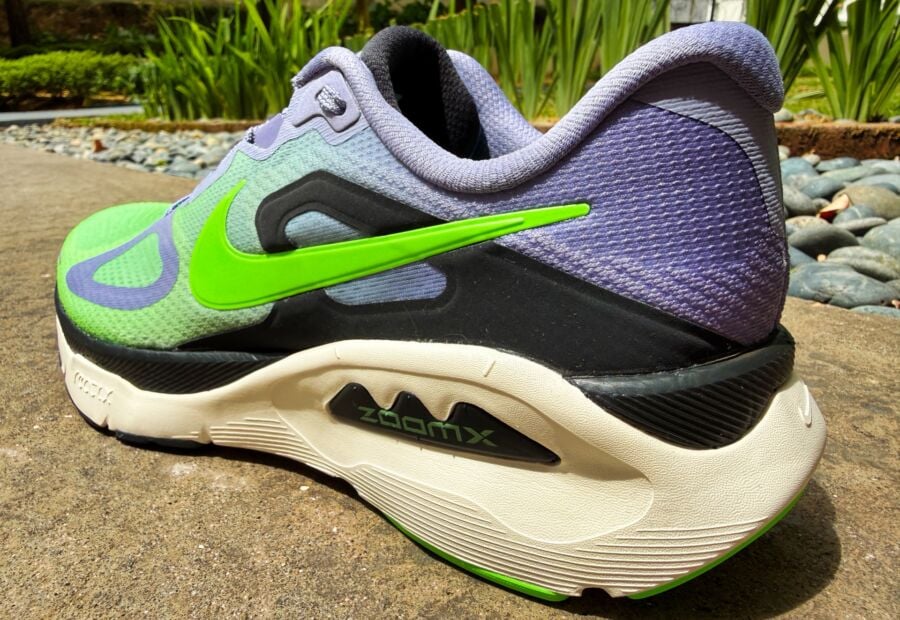
During the first run, I could feel the raised midfoot sidewalls help to prevent my ankles from rolling inwards. I also didn’t feel much bounce or energy return from the midsole.
The Structure Plus reminded me of the PUMA ForeverRun 2 but with a softer, more flexible ride. Both of them have high sidewalls to keep you upright but the ForeverRun focuses more on the rearfoot.
Nike Structure Plus Upper

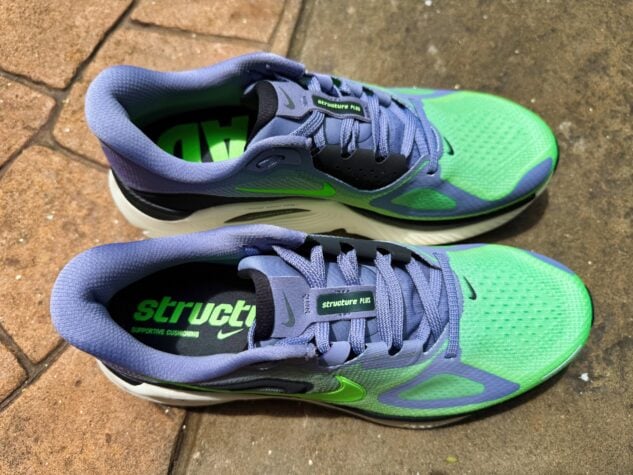
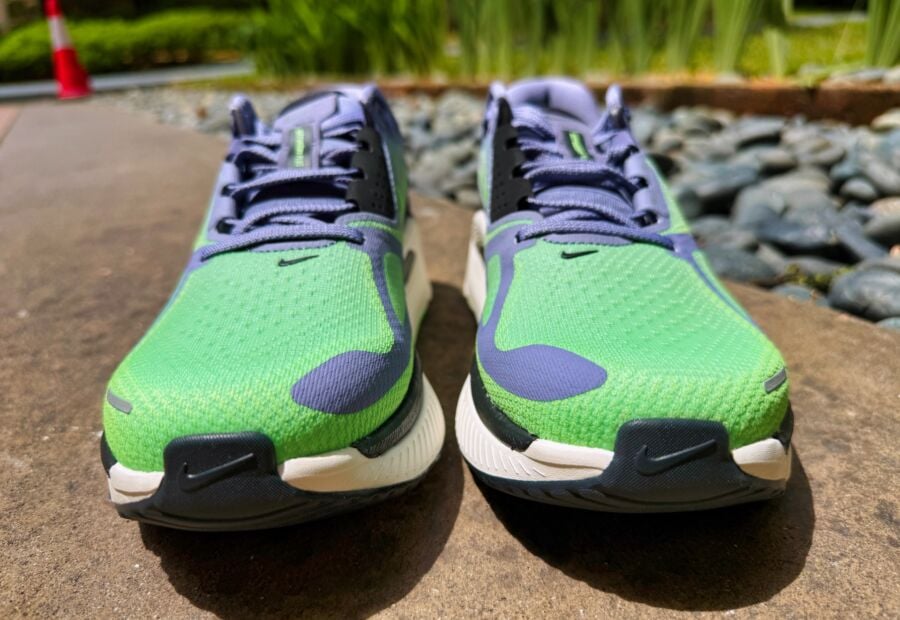
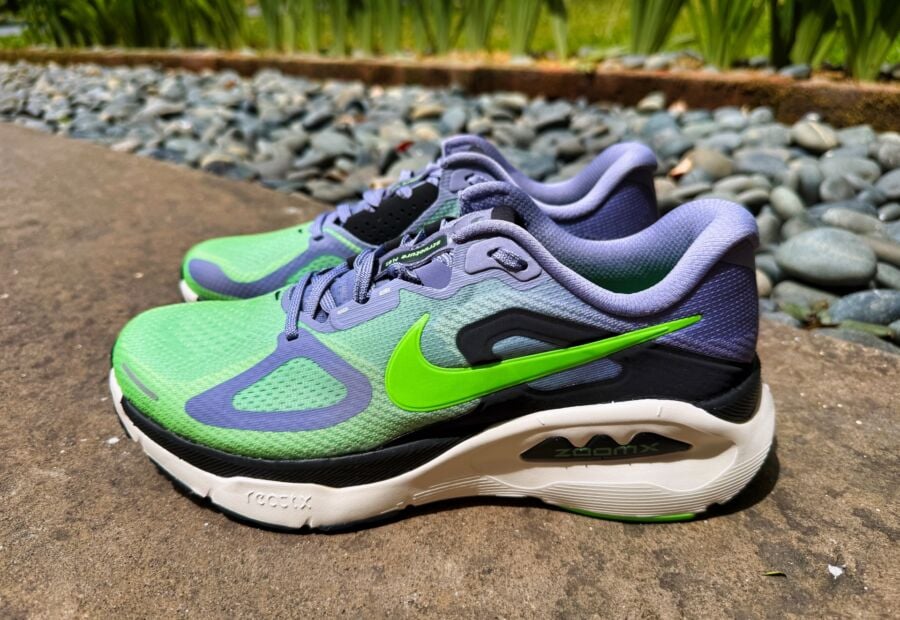
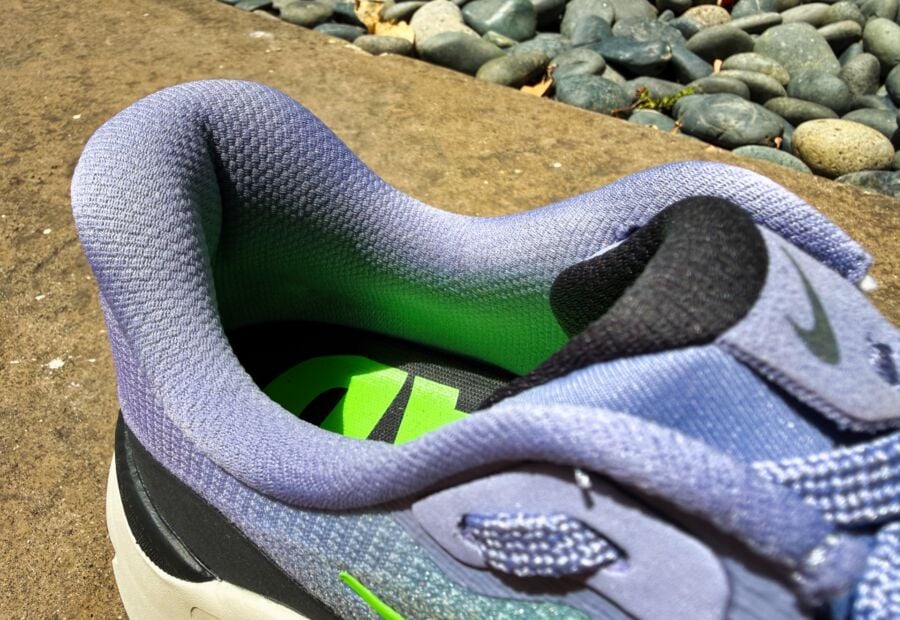
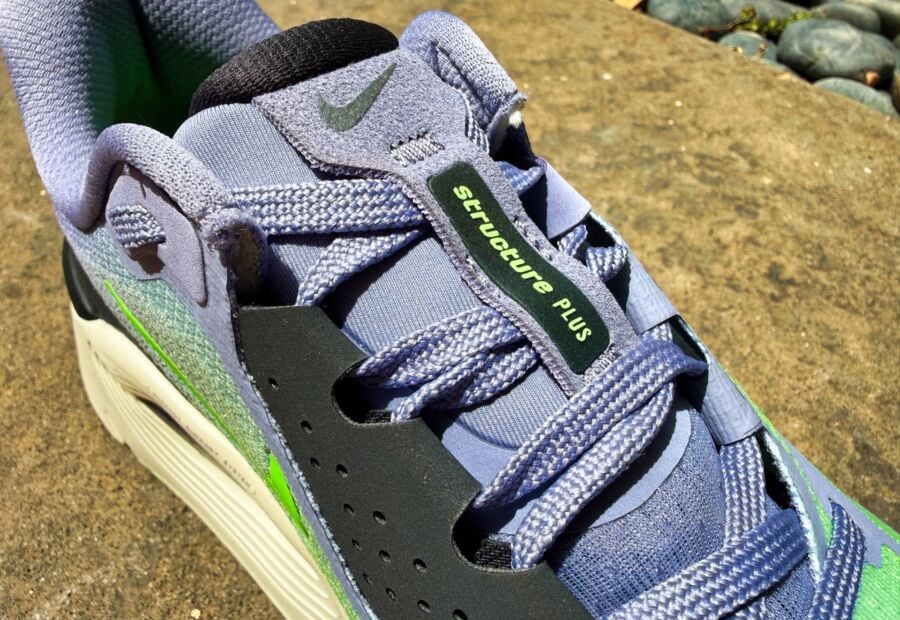
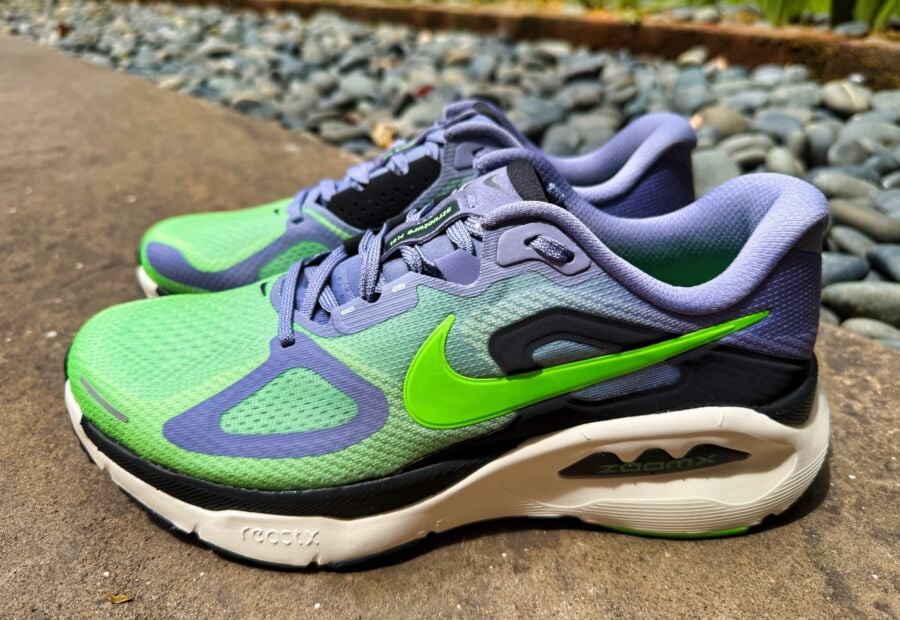
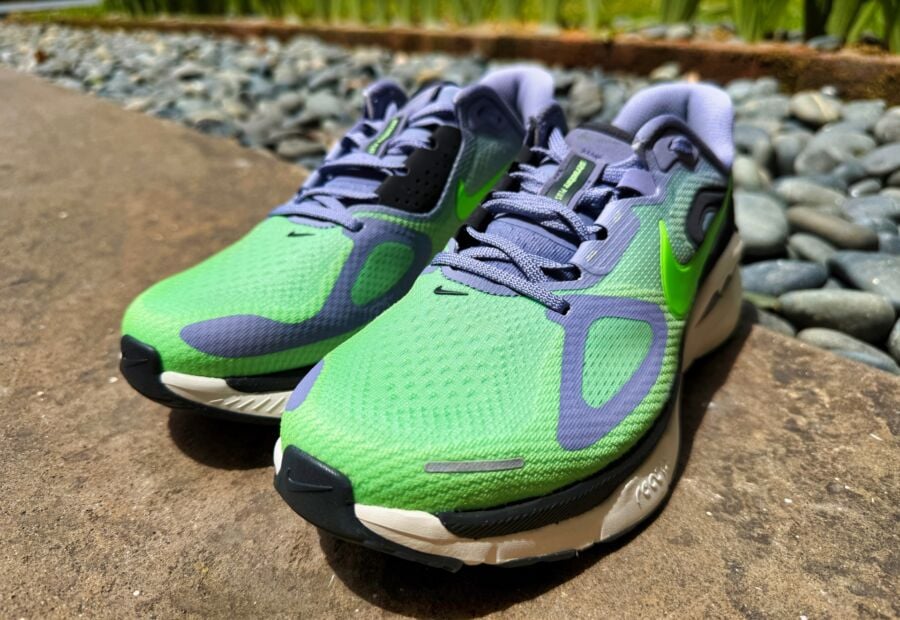
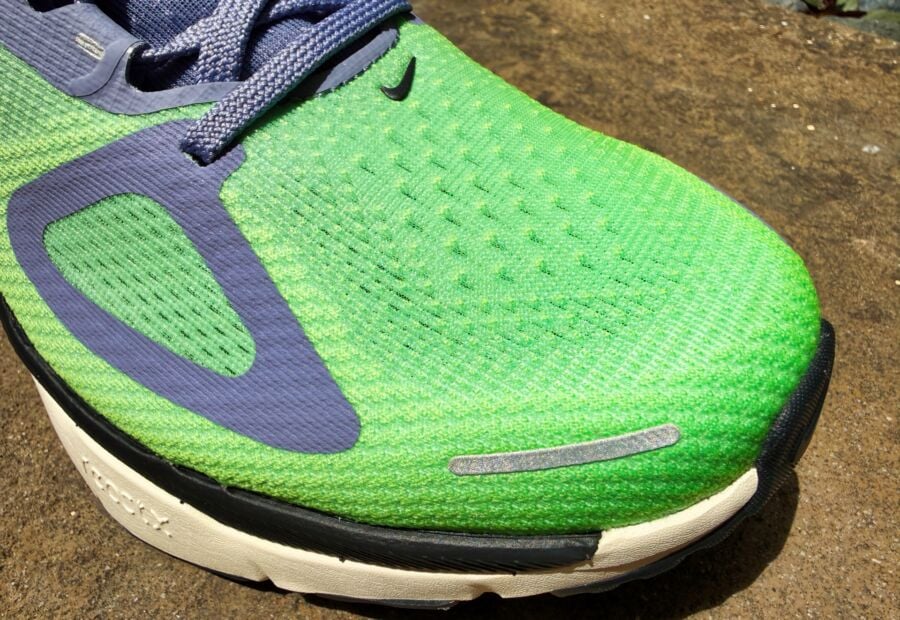
The Air Max 90 inspired upper of the Structure Plus strikes a good balance of being comfortable, stylish and performance oriented. It’s not overly padded and there are ventilation holes in the toe-box so breathability is good.
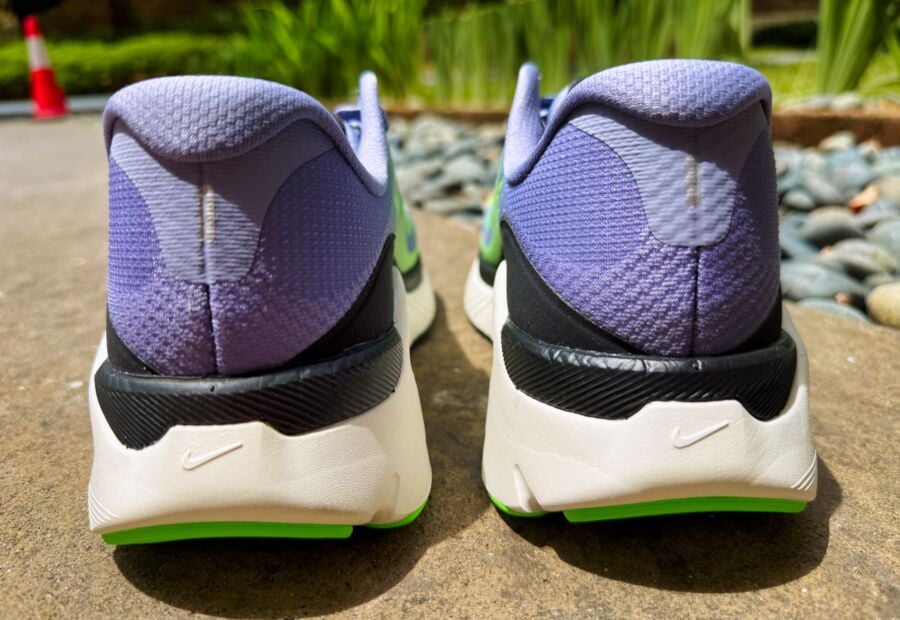
The tongue isn’t gusseted, however, it has wide wings and a loop for the laces to go through so tongue slide isn’t excessive. Foot lockdown is really good and there’s no heel slippage.
It fits true to size but it has a narrow, constricting fit, especially in the midfoot where the Midfoot Support System sits so it’s not recommended for wide footed runners or runners with sensitive, flat arches.

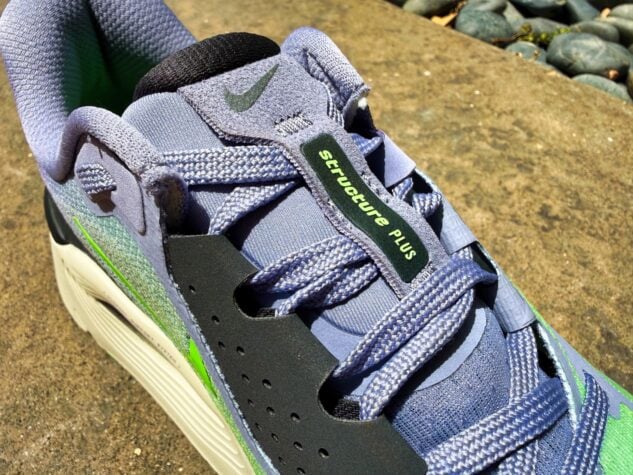
There’s good low light visibility- the large swooshes on the sides are reflective, as are the strips on the sides of the toe box and on the back of the heel counter.
Nike Structure Plus Sole Unit

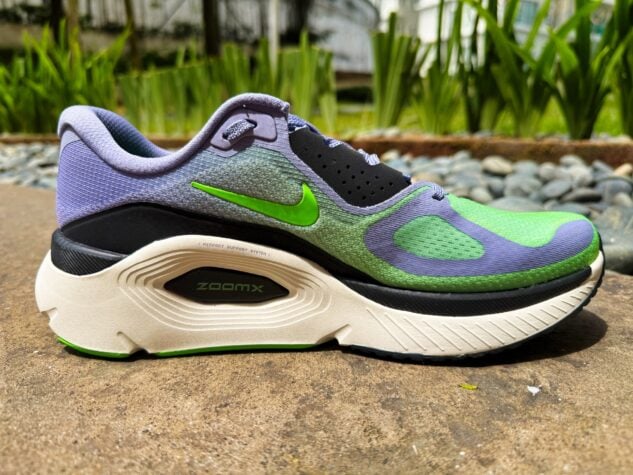
The Structure Plus feels like a traditional stability trainer and not a supportive neutral trainer. It feels more similar to the Structure 18,19 & 25 than the Structure 23 and 24.
This is good news for runners who are used to running in stability trainers and who enjoy feeling the stability elements. It’s bad news for runners who want a non intrusive, supportive trainer that feels neutral.
When I’m walking around in the Structure Plus, I find the prominent medial sidewall annoying because it presses up against my arch but when I run, it doesn’t annoy me.
The Structure Plus doesn’t have a bad ride but it’s far from being exciting or innovative. The large portion of ReactX makes the ride feel bland while there isn’t enough ZoomX to create a really bouncy, springy ride. It feels a bit like a firmer, less fun Vomero 18.
It’s best suited to those short, slow runs below 15 kilometres (9 miles) when your legs are tired or sore and you just need to get your mileage in. For longer runs, I prefer something more energetic with a rocker that helps ease me through transitions.
The Structure Plus has a 10 mm drop which tells us that it’s a trainer designed for heel strikers. It feels old fashioned and I wish it had more cushioning in the forefoot. An 8 mm drop would make it feel more modern.

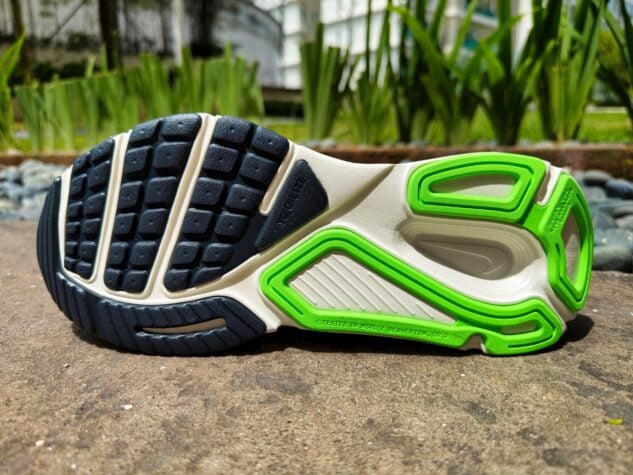
The forefoot is relatively stiff for a non-plated trainer and this helps to make it feel slightly more snappy; however, it still feels too heavy and too flat to do speedwork in.
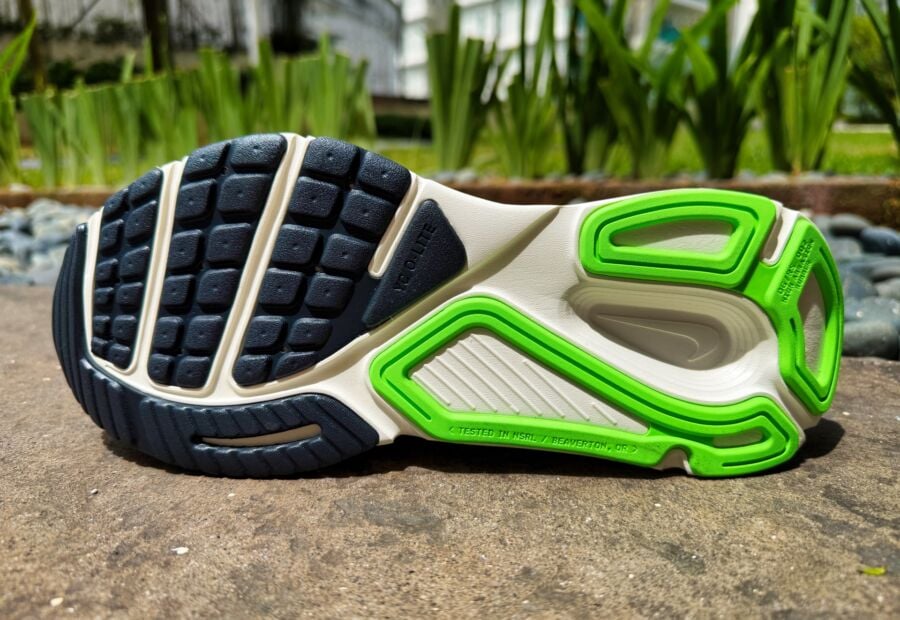
The outsole is a great design. The rearfoot and midfoot rubber provides good protection without being excessive. The forefoot is softer, YC O-LITE blown rubber while the rearfoot and midfoot rubber is firmer OG/RS high abrasion rubber. On my pair, there’s barely any outsole wear.
Nike Structure Plus Conclusions
I was a bit disappointed with the Structure Plus. The Vomero Plus is an amazing, versatile trainer and a big upgrade over the Vomero 18. The Structure Plus doesn’t feel as engaging or as fun to run in as the Vomero Plus even though they are targeted at different runners.
I think Nike could have used more ZoomX in the Structure Plus to make it lighter and more energetic. The thick ReactX frame makes the ride feel too flat and too old school.
Compared to modern stability trainers such as the Saucony Hurricane 25, the Structure Plus feels more traditional. I prefer the stability to be provided by less intrusive stability features such as a wide base or a built-up medial side like in the Hurricane.
When it comes to stability, the Structure Plus doesn’t feel as stable as firmer stability trainers such as the ASICS Kayano 32.
I can feel this most when doing strength workouts in the gym- my ankles have to work harder in the Structure Plus.
Even the Brooks Glycerin Max (a neutral trainer) feels more stable due to its super wide base and rearfoot cupping design.
How does the Structure Plus compare?
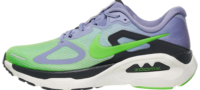
Nike Structure 26
Nike Structure Plus
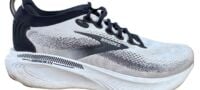
Brooks Adrenaline GTS 25
Why you can trust us
As editorial policy, we do not accept free samples from companies.We purchased this pair of Nike at Running Warehouse with our own money.
This page contains affiliate links. As an Amazon Associate we earn from qualifying purchases. Read more about our policy.


Reviewed by Brandon

Brandon is a South African marathoner based in Malaysia, where the humidity is high and his shoe rotation is even higher. He’s a runner with a full-blown addiction to running shoes. Most people buy shoes to run—Brandon runs to justify buying more shoes. If there’s a new drop, he’s probably already logged 100km in them.