Puma PUMA MagMax Nitro 2 review

Puma PUMA MagMax Nitro 2 Verdict
The pros
- Very stable ride
- 15 grams lighter than v1
- More energetic midsole foam than v1
- Wider midfoot makes it more comfortable
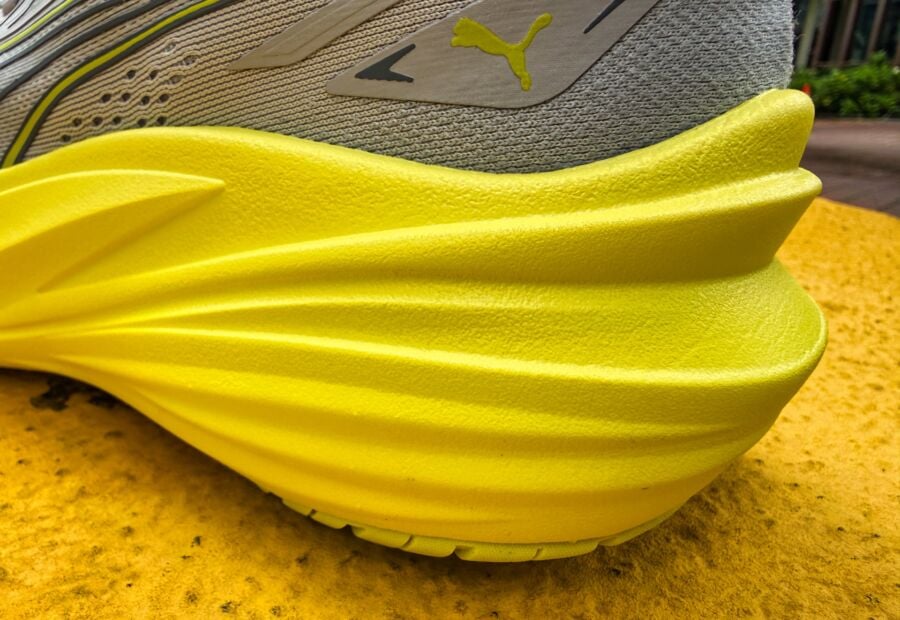
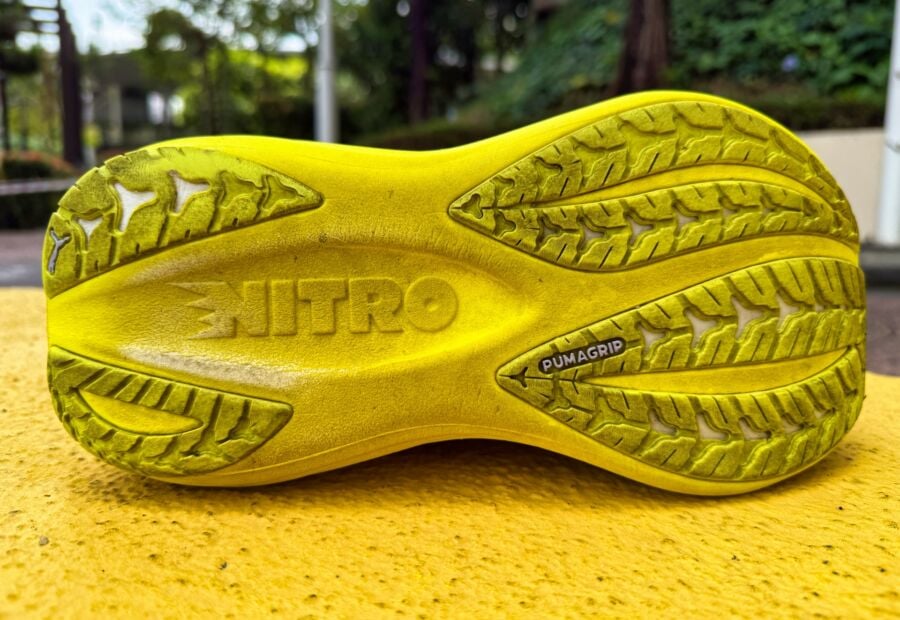
- New slits in the outsole rubber release water
The cons
- Less durable outsole than v1
- This Nitro foam isn't as energetic as PUMA’s high end foams

Rating breakdown
Facts / Specs


Size/Fit


Cushioning & ride


Usage

Who should buy the Puma PUMA MagMax Nitro 2 ?
If you didn’t enjoy the poking arch sensation of the first version, the MagMax 2 has addressed this issue.
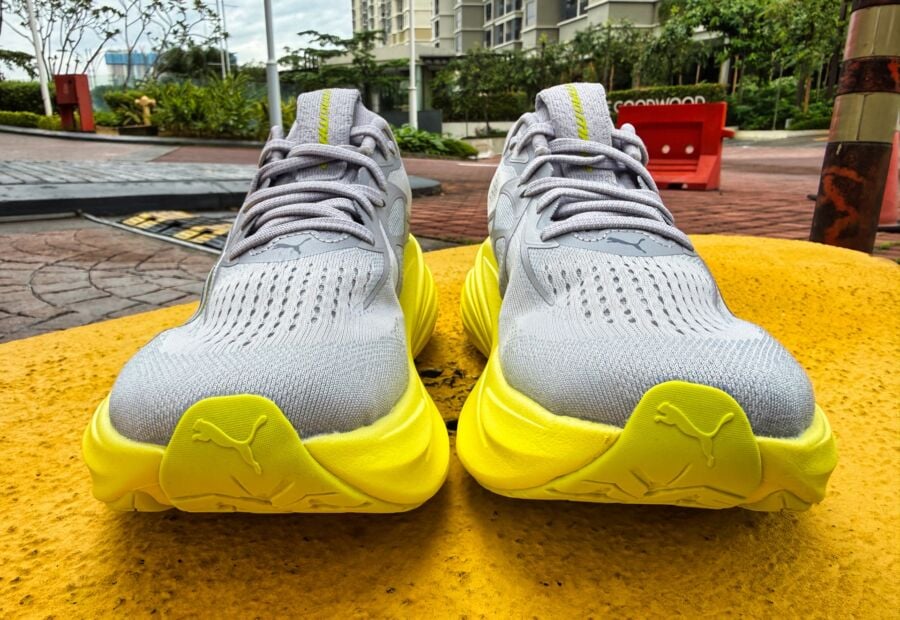
If you found the first version too narrow, version 2 has a wider toe box and midfoot.
Who should not buy the Puma PUMA MagMax Nitro 2 ?
If you like an agile ride with plenty of ground feel, the MagMax 2 will feel too bulky for you.
If you’re looking for a really plush, super soft ride, the MagMax 2 will be too firm for you.
Puma PUMA MagMax Nitro 2 Introduction

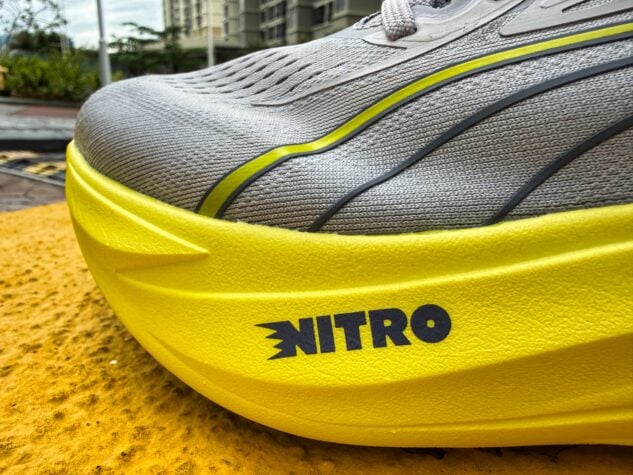
When PUMA was asked why there was a need for the MagMax on the market, they said that max cushioned shoes are currently trending and everyone is trying to see how big they can make their shoes.
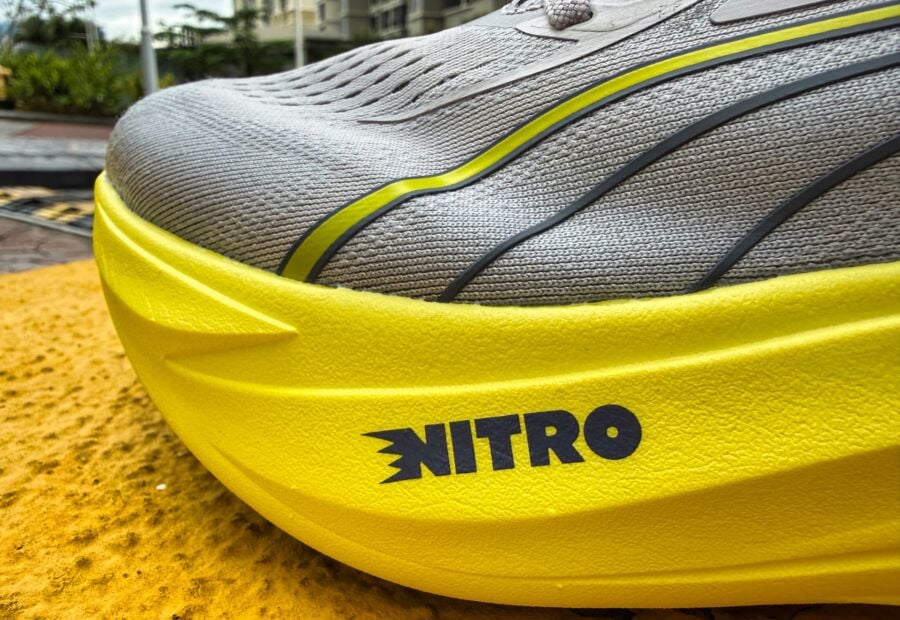
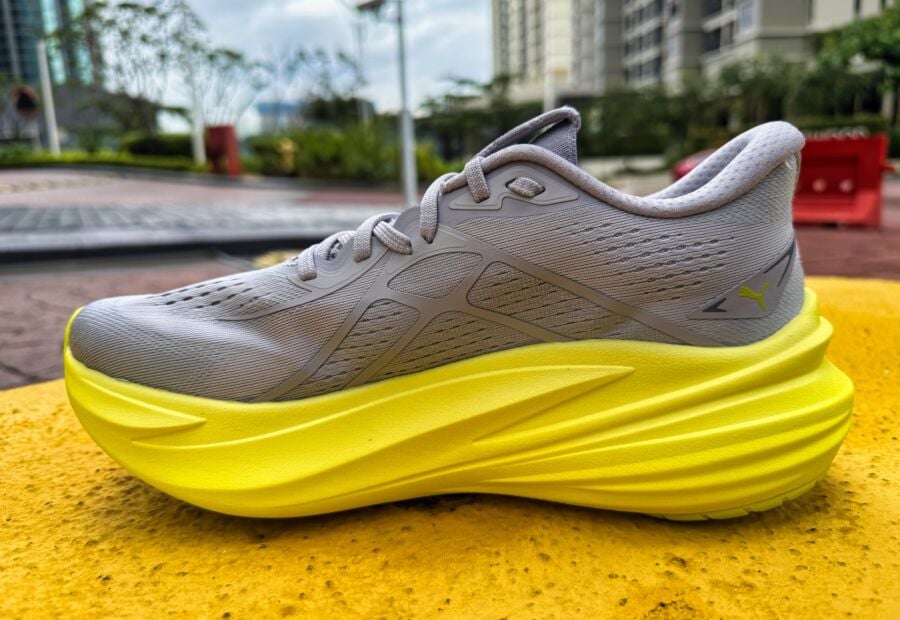
They created the 46 mm MagMax to deliver a really stable, cushioned ride that’s also fun and bouncy. The MagMax is their softest, most cushioned running shoe. MagMax stands for Magnify Max: the Magnify is another PUMA max cushioned trainer with a thinner midsole.
Nedd Brockmann, an Australian ultra marathoner and PUMA ambassador, helped to develop version 2 of the MagMax. He ran extensively in v1 and he asked for v2 to be lighter and to have a smoother ride than v1.
When I tested the MagMax 1 last year, I thought it was a decent trainer but I didn’t like the poking arch sensation due to its narrow midfoot. I also felt like its ride was a bit flat and without much energy return. I preferred running in the Brooks Glycerin Max, which felt more comfortable and more versatile.
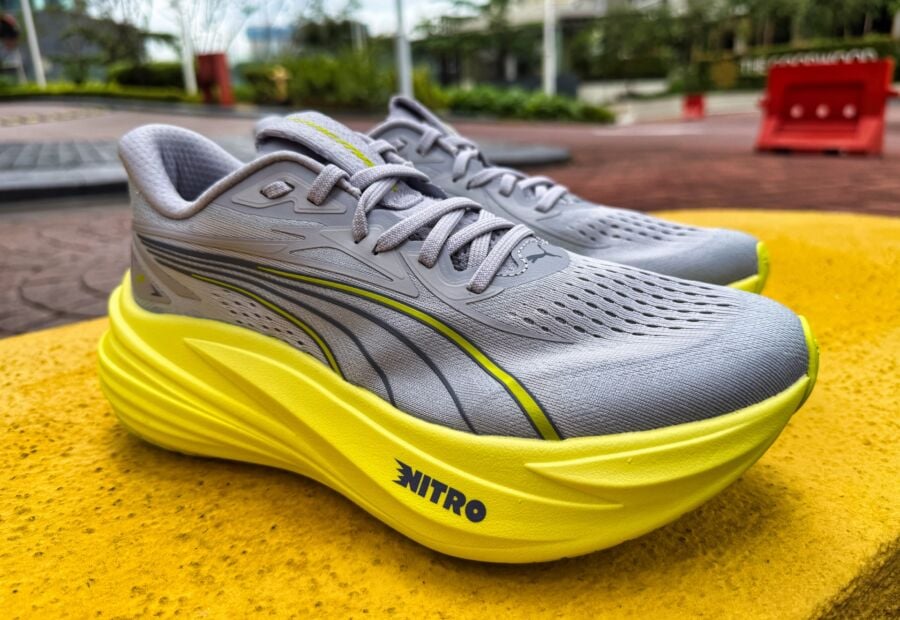
The MagMax 2 has a redesigned upper, midsole and outsole. It still has a Nitrofoam, nitrogen injected midsole but it has been reformulated to be softer, to appeal to lighter runners. It weighs 275 grams (9.7 oz), 25 grams (0.9 oz) lighter than the MagMax 1. Its price has remained $180.
Testing Details
- 12 km easy run at 6:16 per km
- 20 km easy run at 5:55 per km
- 6 km treadmill run at 5:44 per km
- 7 km recovery run at 7:21 per km
- 1 km warm up at 6:13 per km
- 17 km easy run at 6:04 per km
- 6 km treadmill run at 5:18 per km
- 14 km easy run at 6:10 per km
Puma PUMA MagMax Nitro 2 First Impressions

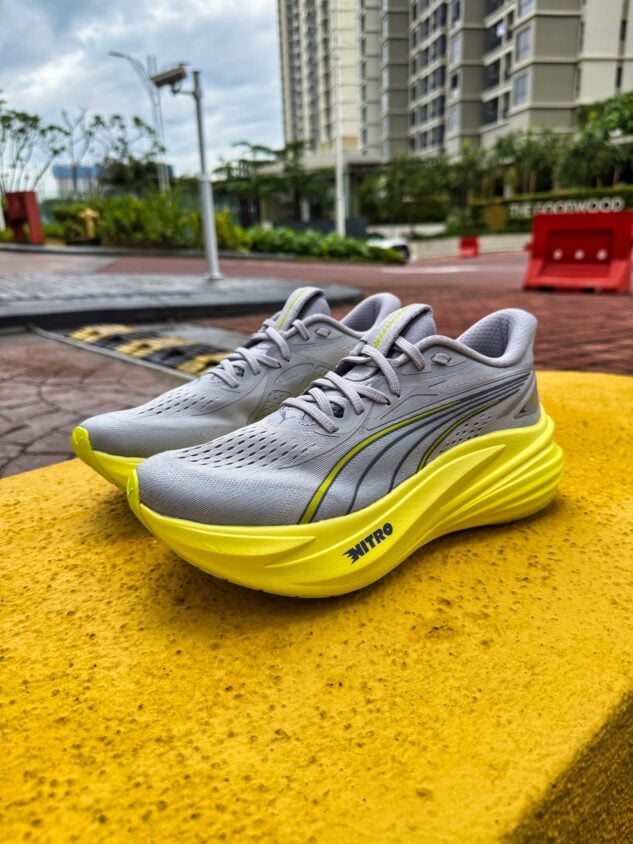
When I tried the MagMax 2 on in the store, it felt surprisingly firm. I expected it to feel significantly softer than the first version. It didn’t feel like the midsole was compressing very easily.
My first run was an easy 12 km and I was really blown away by how engaging and energetic the ride felt. It felt completely different to the first version. V1 felt like a max cushioned trainer for slow running but v2 felt faster and more dynamic.
The shoe that it reminded me of was the ASICS Novablast 5. Both trainers have energetic midsole foams. The MagMax 2 felt like a thicker, more cushioned, firmer version of the Novablast.
Puma PUMA MagMax Nitro 2 Upper

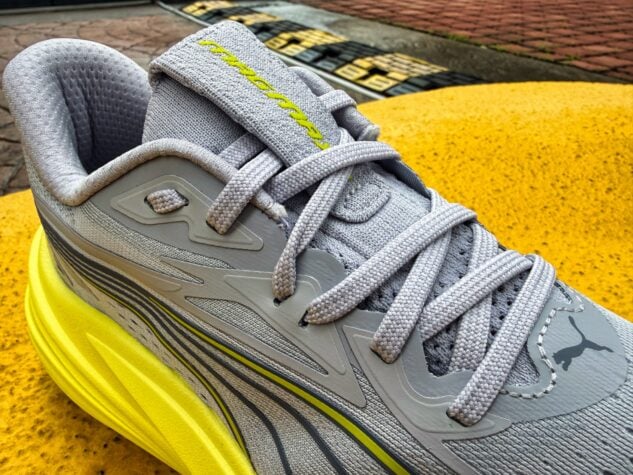
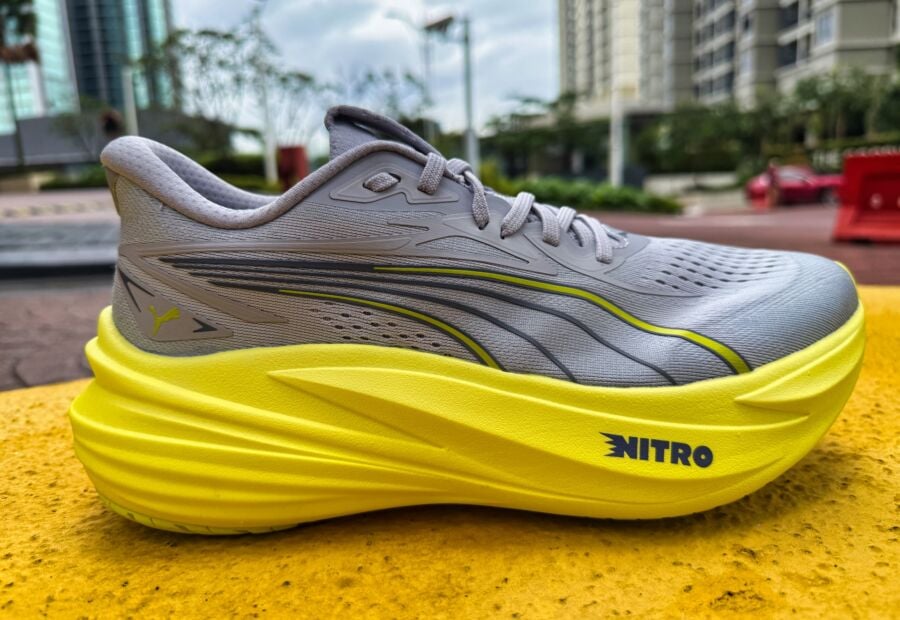
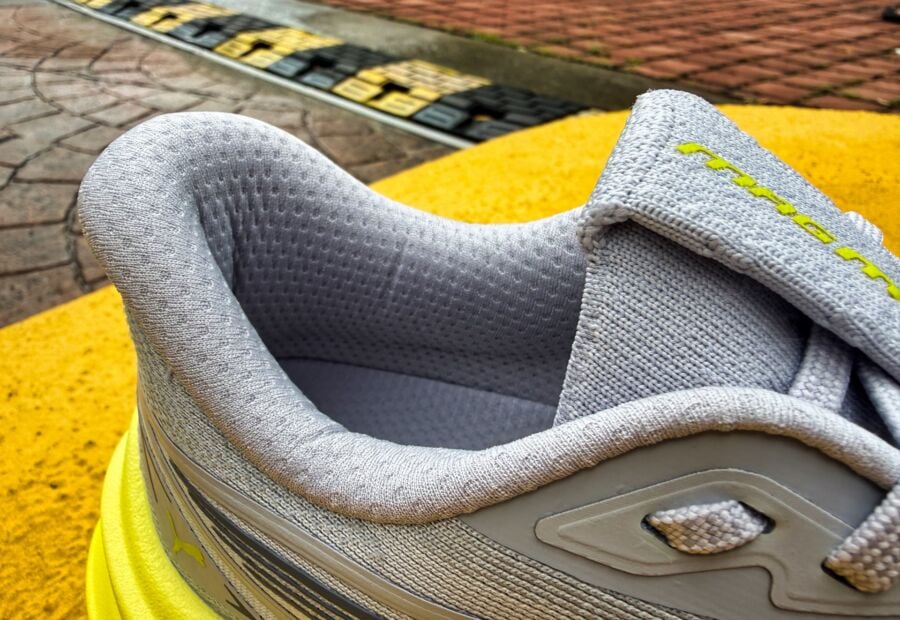
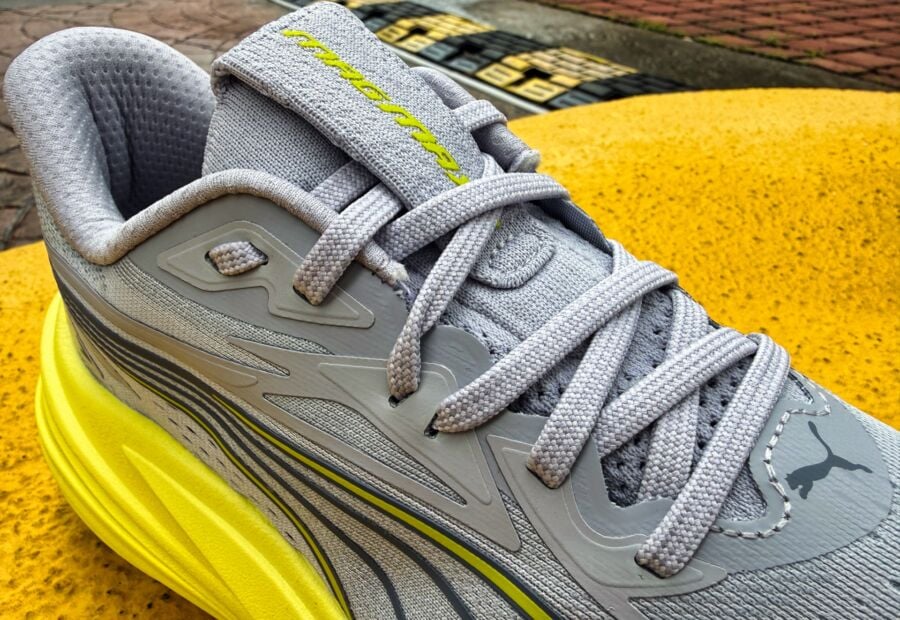
I like the MagMax 2’s upper but I wish it had a traditional, lightly padded tongue instead of a flat, knitted one like v1. A traditional, thicker tongue would make it feel even more luxurious.
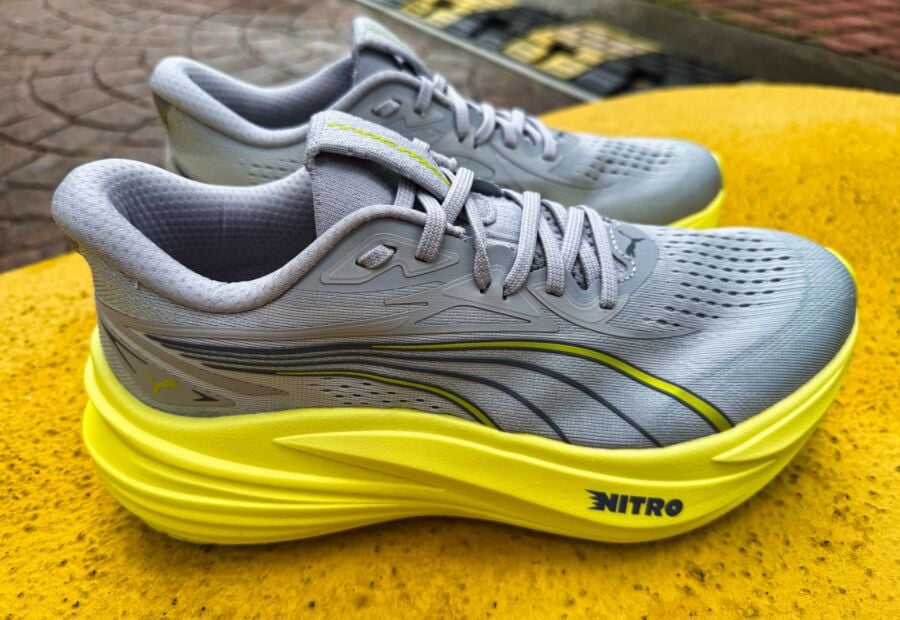
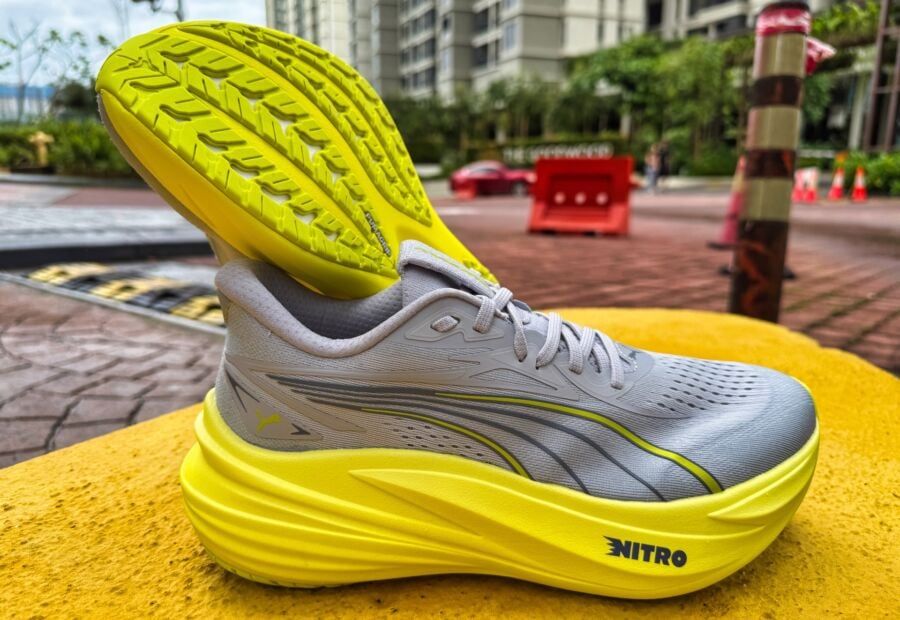
The MagMax 2 upper is an improvement over v1 because it feels more accommodating in the midfoot. The fit is still true to size and it has a spacious interior that’s suited to narrow as well as wide/high volume feet.
I had no issues getting a good lockdown for my narrow feet. The heel pull tab is the only reflective element on the upper and it’s smaller than v1.
Puma PUMA MagMax Nitro 2 Sole Unit

What I like most about the ride of the MaxMax 2 is that it doesn’t feel like a sluggish, max-cushioned trainer capable of only easy runs. It feels like it can shift up a gear or two.
In terms of cushioning, the MaxMax 2 isn’t that much softer than version 1 and I can only notice a small difference when wearing both versions at the same time. The cushioning of version 2 feels more modern and not as mushy as the first version. This makes it easier to pick up the pace and makes it feel more versatile.
I enjoy using the MagMax 2 most for easy and steady-paced runs. It has a relatively stiff forefoot even though it’s not plated and this creates a mild forefoot rocker that makes the ride feel smoother.
The midsole of the MaxMax 2 is made of a nitrogen-infused PEBA blend and this version feels a lot more energetic than v1. It’s the addition of PEBA that sets the MagMax 2 apart from other max-stack trainers like the Glycerin Max and the Nimbus 28, although it still isn’t as energetic as the ASICS Superblast and Megablast.

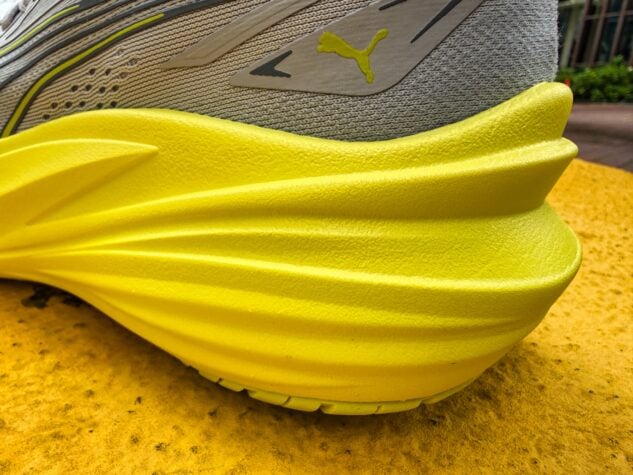
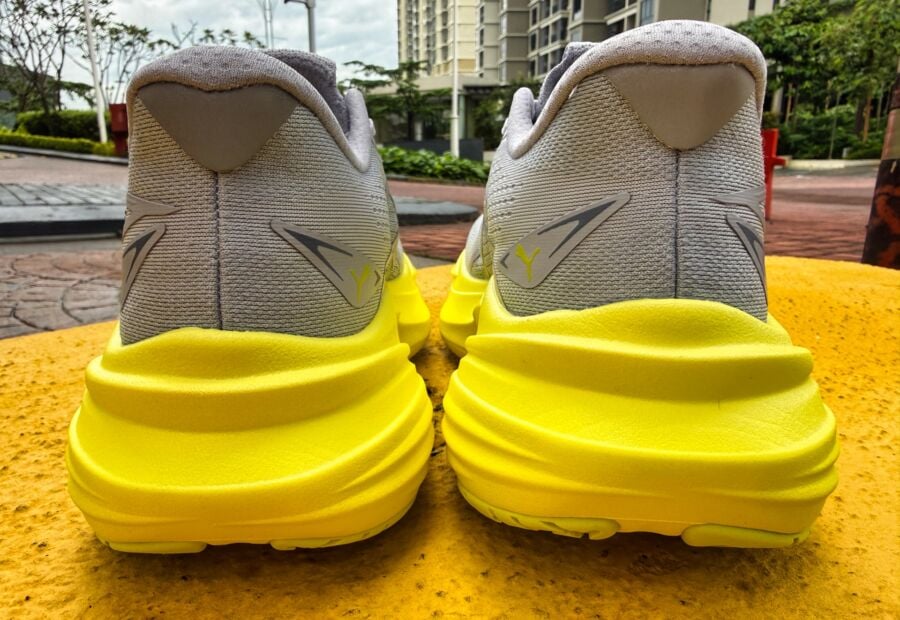
The other noticeable difference between the MagMax 2 and the first version is the widening of the midfoot. This makes it more comfortable for runners with flat feet and runners with wide feet. The poking arch sensation has completely disappeared.
The MagMax 2 has a very stable, supportive ride for a 46 mm heel stack height trainer. It doesn’t have a very squishy midsole so it’s suitable for neutral runners and slight over pronators. Its wide base also makes foot strikes feel very planted.
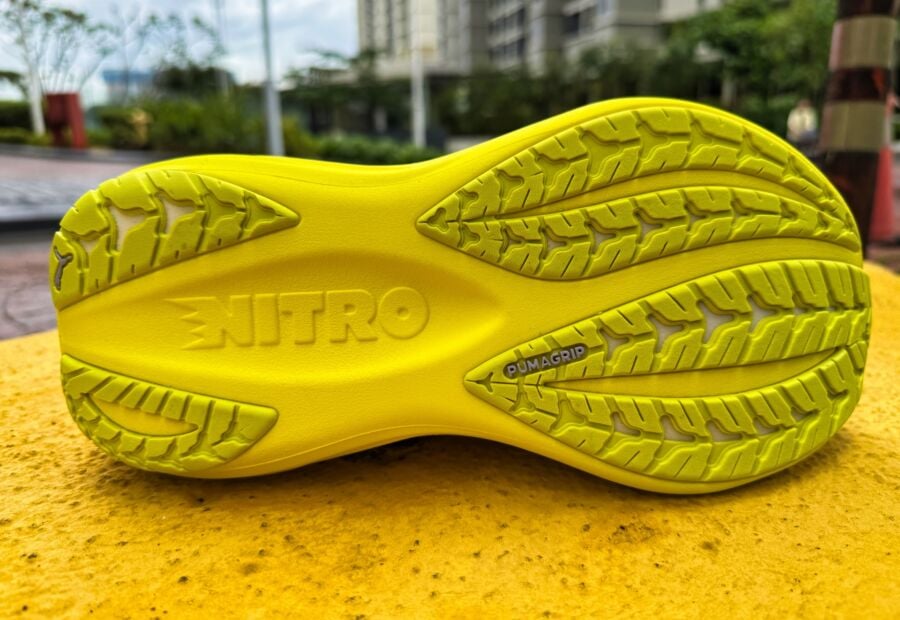
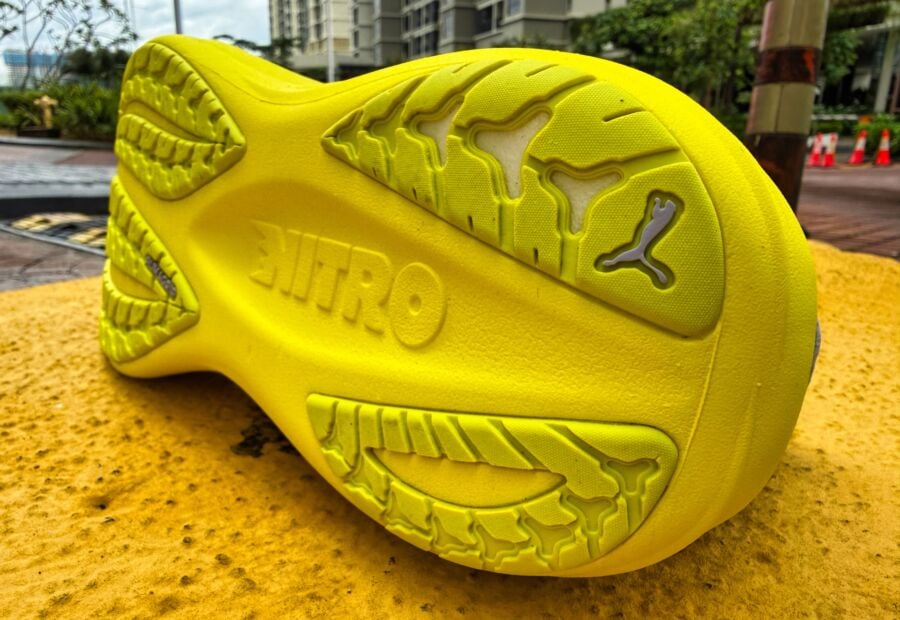
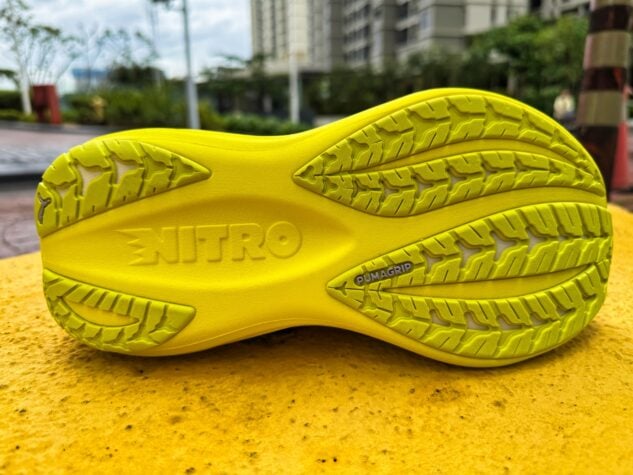
There’s less rubber on the outsole of the MagMax 2 which makes it less durable- I can see some scuffing in the middle of the heel where there’s no rubber protection but it hasn’t affected performance.
It has a new outsole design with slits in the forefoot, which are designed to release water during runs. The MagMax 2 has really good traction on dry and wet surfaces.
Puma PUMA MagMax Nitro 2 Conclusions

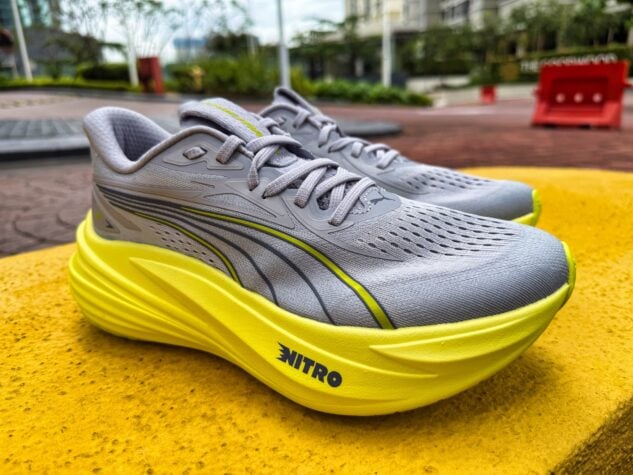
The MagMax 2 is a solid improvement over its predecessor. They’ve fixed the most irritating thing about v1, the narrow arch and they’ve made the interior more accommodating.
It’s also significantly lighter and it has a more lively, more versatile ride; however, compared to other super max stack trainers like the Nike Vomero Plus and the Superblast, the MagMax 2 is lacking in terms of energy return.
The way PUMA can improve the energy return of the MagMax is by adding in a layer of A-TPU, Nitro Elite midsole foam or by making the midsole entirely of PEBA.
I thoroughly enjoyed testing the MagMax 2 and it will stay in my rotation. It’s the kind of shoe that I love training in: deep cushioning, mild forefoot rocker and lightweight (for such a tall midsole).
How does the PUMA MagMax Nitro 2 compare?
Puma MagMax Nitro

Puma PUMA MagMax Nitro 2
Brooks Glycerin Max

Why you can trust us
As editorial policy, we do not accept free samples from companies.We purchased this pair of Puma at Running Warehouse with our own money.
This page contains affiliate links. As an Amazon Associate we earn from qualifying purchases. Read more about our policy.


Reviewed by Brandon

Brandon is a South African marathoner based in Malaysia, where the humidity is high and his shoe rotation is even higher. He’s a runner with a full-blown addiction to running shoes. Most people buy shoes to run—Brandon runs to justify buying more shoes. If there’s a new drop, he’s probably already logged 100km in them.
User feedback (0)

Similar shoes to Puma PUMA MagMax Nitro 2