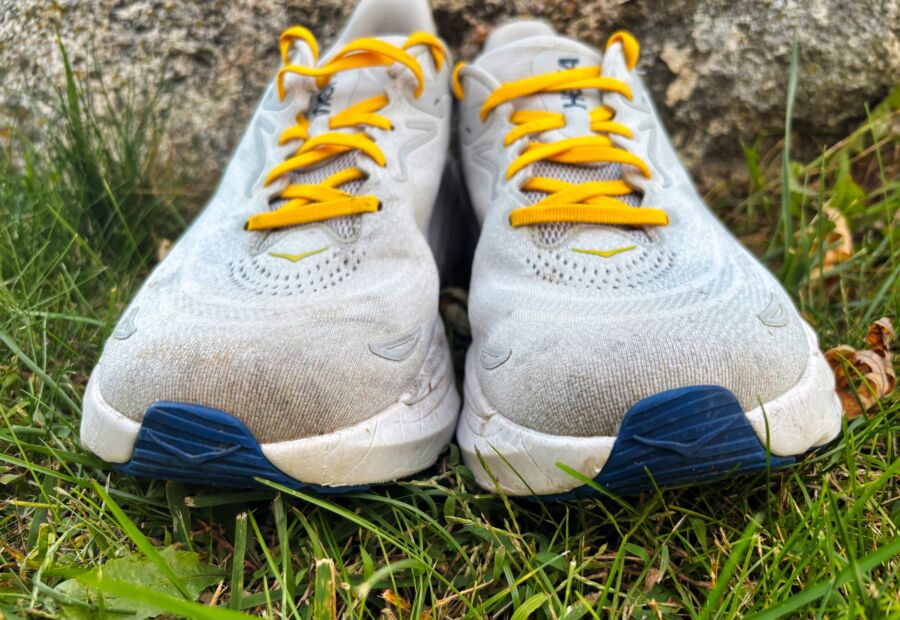
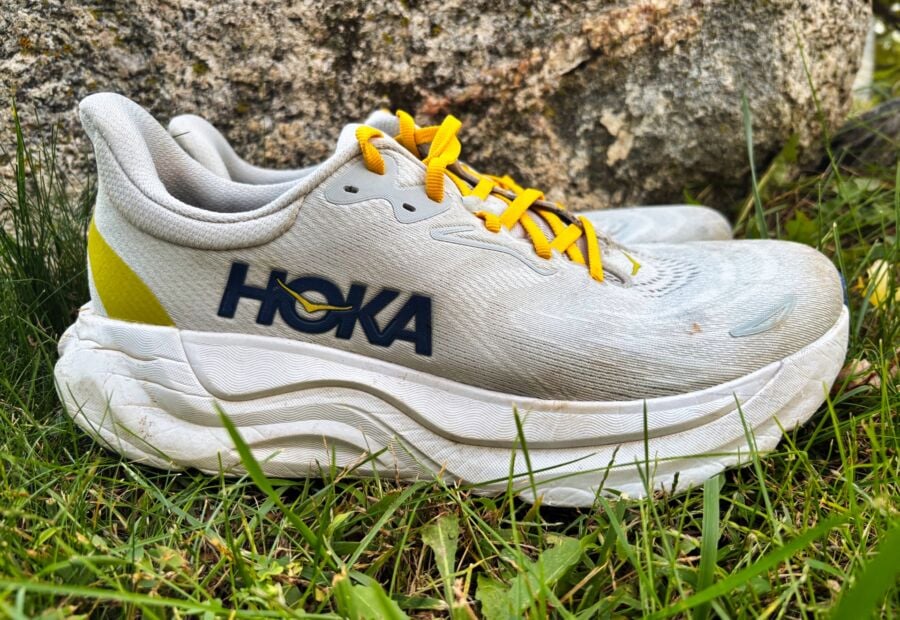
Hoka One One Arahi 8 review
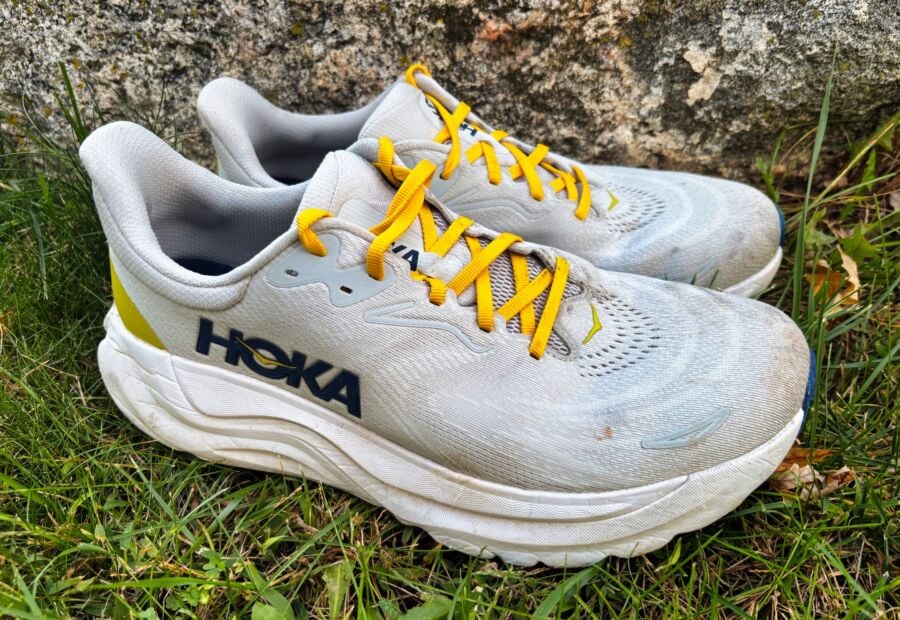
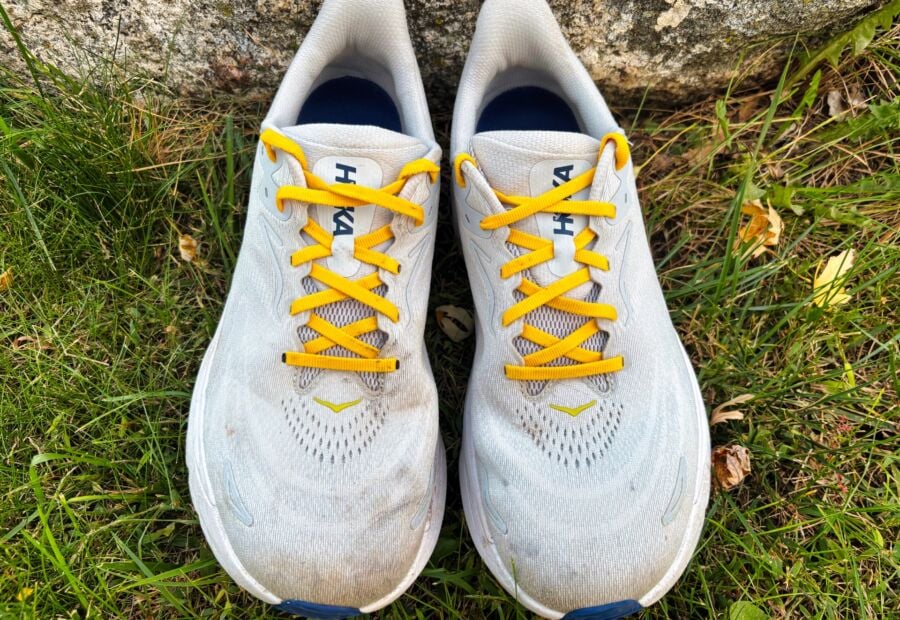

63 other reviews
Hoka One One Arahi 8 Verdict
The pros
- H Frame Technology
- Durable
- Meta Rocker Technology
The cons
- Longer Break In Time
- Can Feel Bulky at Times


Rating breakdown
Facts / Specs


Size/Fit


Cushioning & ride


Usage

Who should buy the Hoka One One Arahi 8 ?
Someone who is looking for a responsive stability trainer built for long so miles
Who should not buy the Hoka One One Arahi 8 ?
Someone who wants a plushy stability trainer
Hoka One One Arahi 8 Introduction

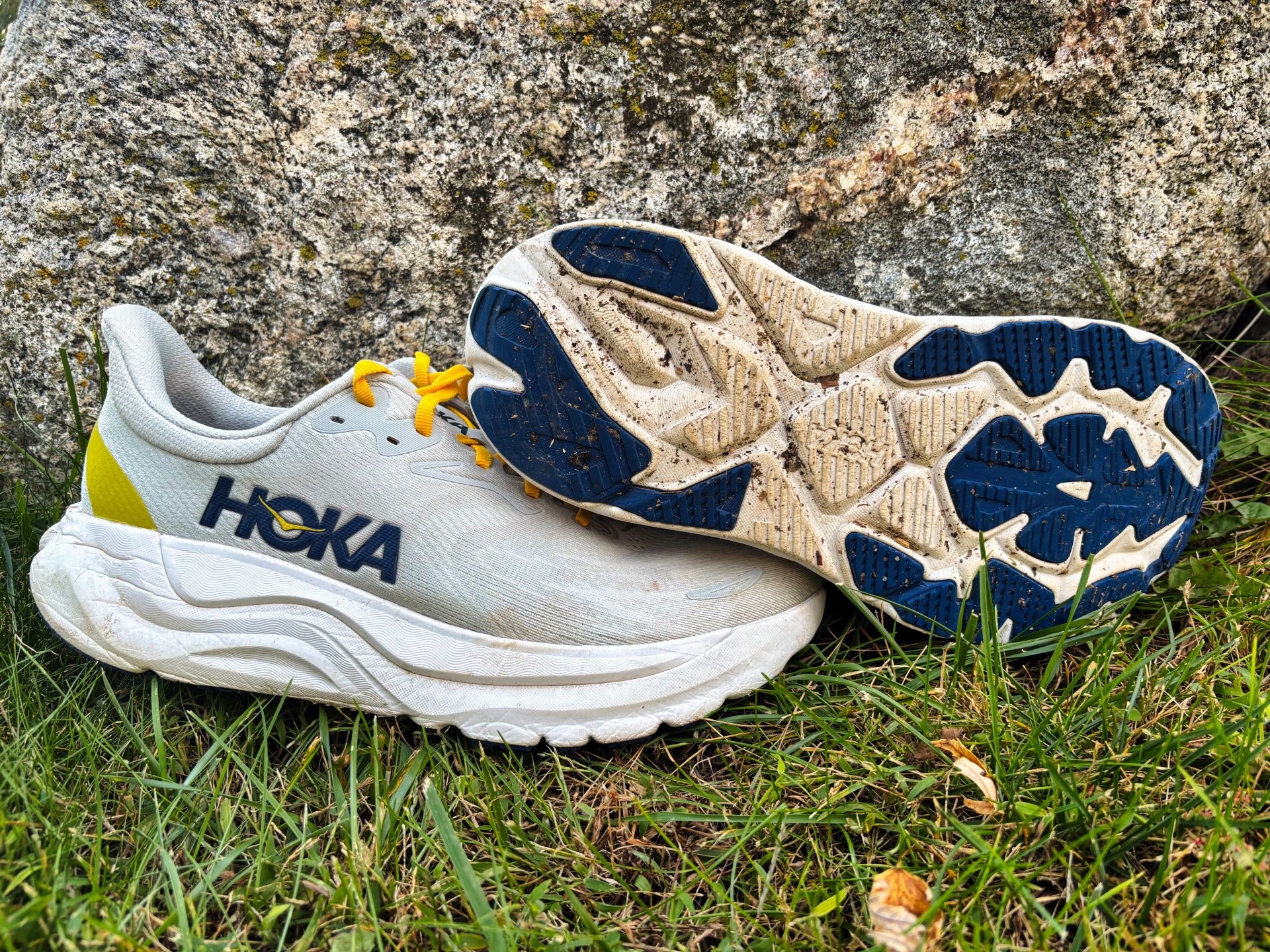
Hoka has easily been the brand with the biggest surge in popularity since I started reviewing shoes years ago.
What began as a small European brand has evolved into a global name—you see Hokas everywhere now. While they’re designed primarily as running trainers, I’d argue they’ve become even more popular as everyday sneakers among the general public.
This year brings the 8th edition of the Arahi, Hoka’s moderate stability trainer. Hoka offers two shoes in its stability lineup—the Arahi and the Gaviota, the latter being the more premium option.
The Arahi is the elder sibling, turning eight this year, while the Gaviota just turned five. The Arahi competes directly with staples like the ASICS GT-2000, Brooks Adrenaline, and New Balance 860. It retails for $150.
Hoka One One Arahi 8 First Impressions


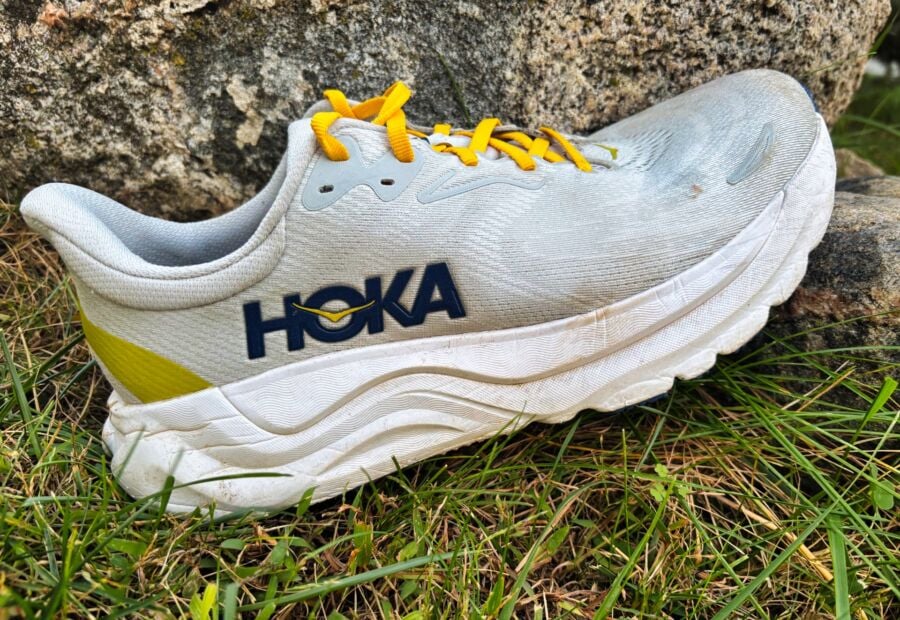
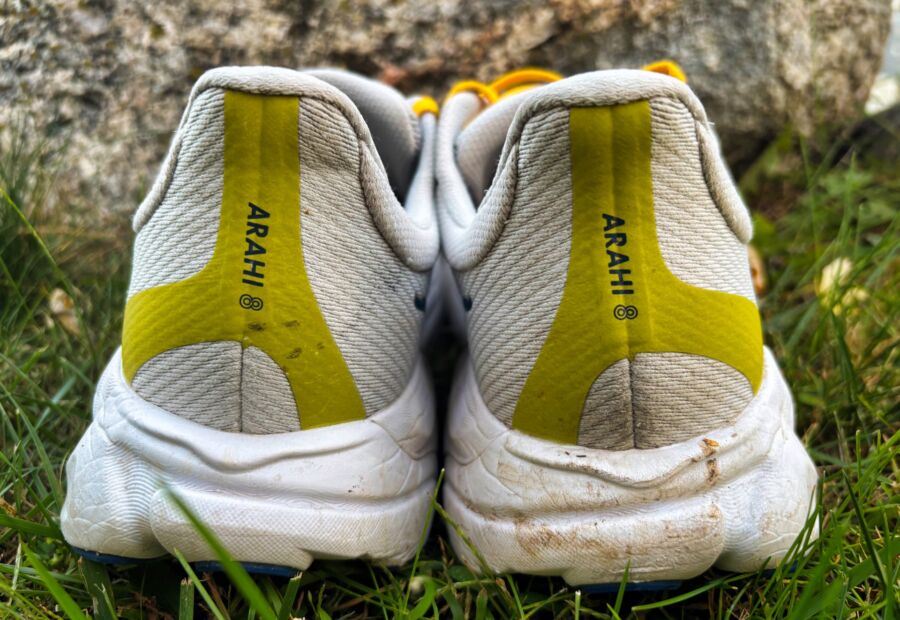
Hoka shoes are instantly recognizable—you can spot a pair from a mile away. Opening the box, I was greeted by that classic Hoka look: a chunky midsole, bold logo, and signature rocker shape. The gray colorway wasn’t my first choice, but I ended up appreciating the subtle pops of color in the heel and laces. It actually grew on me over time.
Slipping them on for the first time, I was met with the familiar responsive feel I’ve come to expect from the Arahi line. I’ve ordered the wide version for the past two editions and still experienced some initial arch irritation. Thankfully, that discomfort disappeared after the first few miles.
My maiden run—a relaxed four miles—showcased a ride that was slightly stiff but pleasantly responsive, consistent with previous models. I’m optimistic that the shoe will continue to loosen up and feel smoother as the miles add up.
Hoka One One Arahi 8 Upper

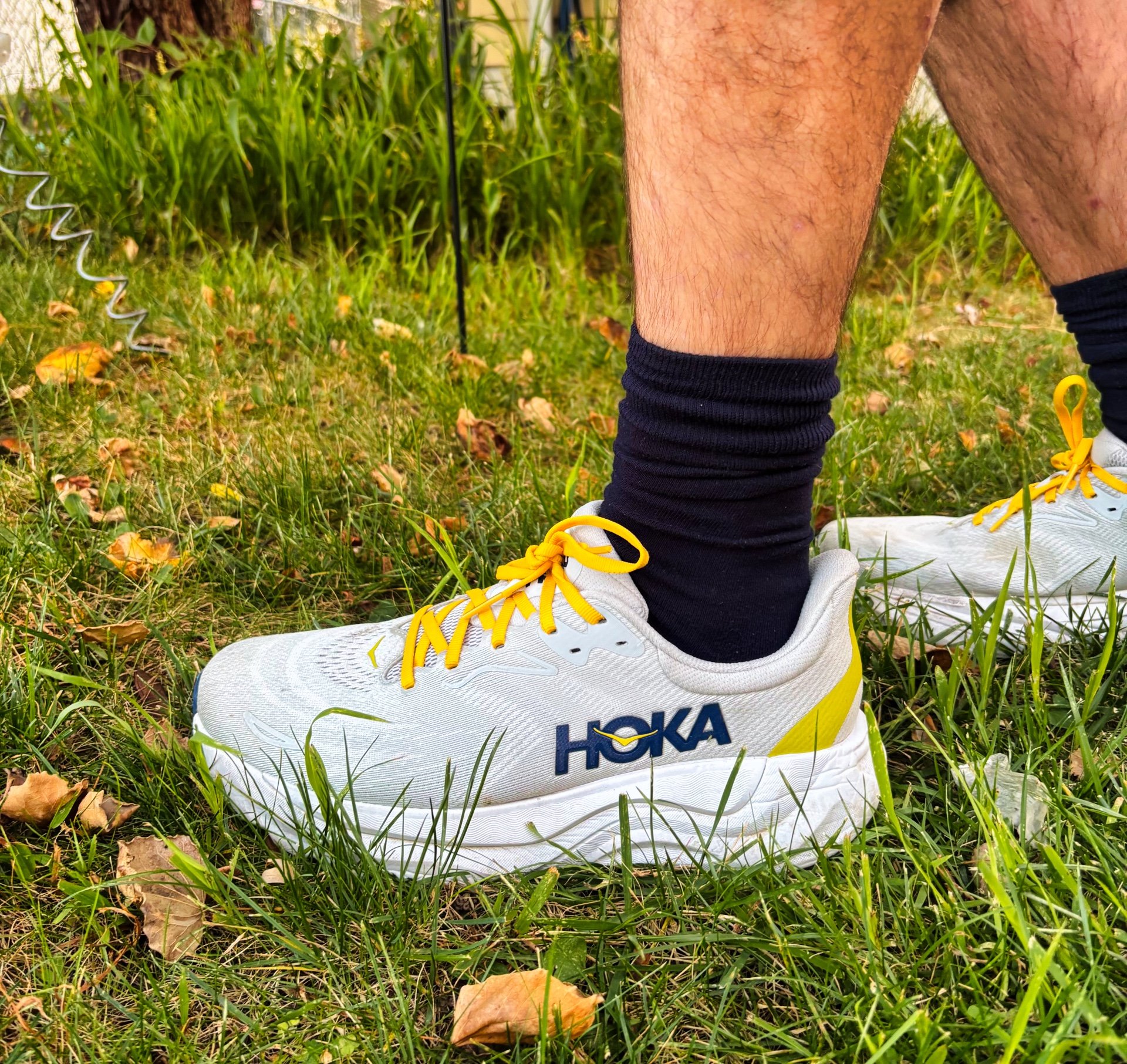
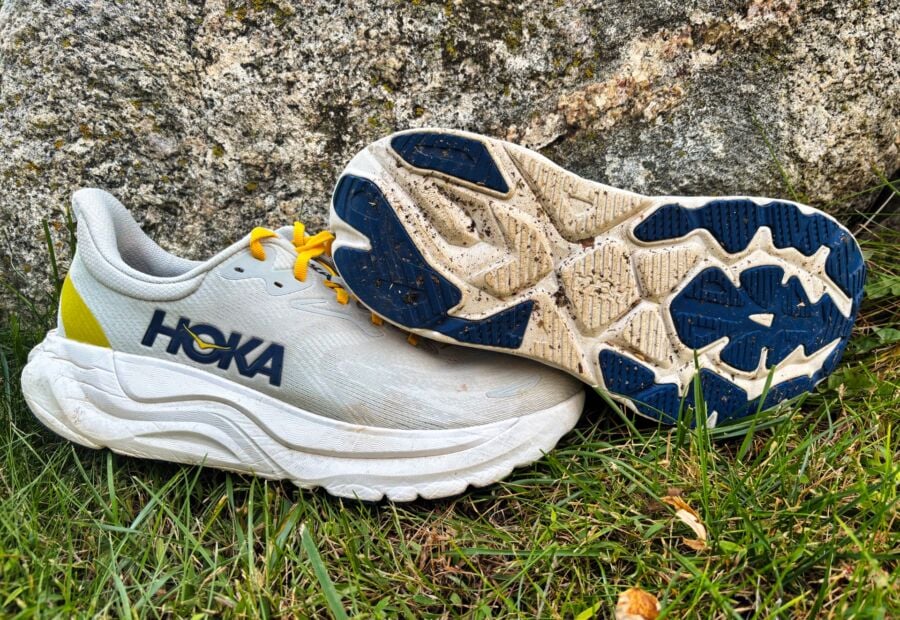
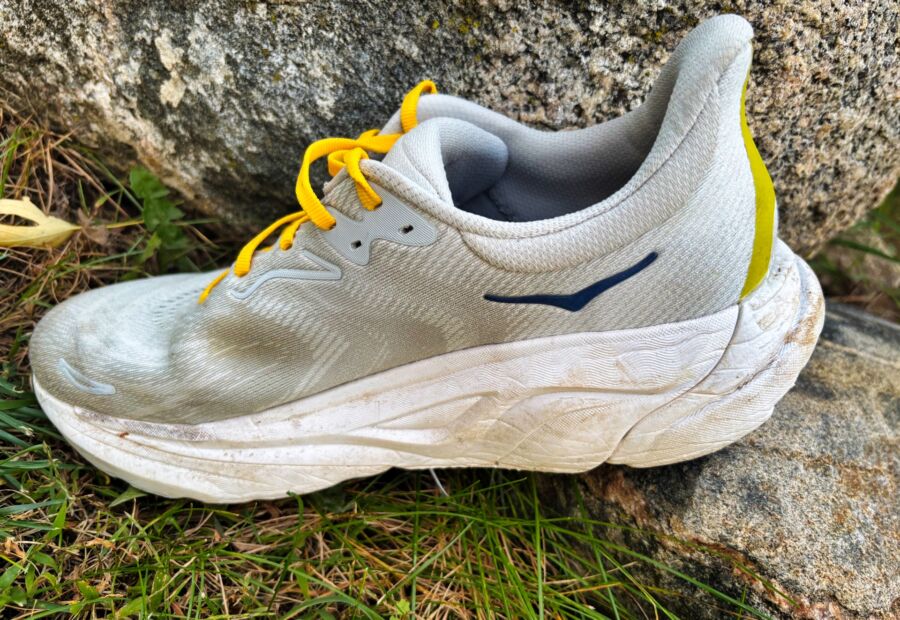
Gone is the flat-knit upper from the previous edition, replaced with a double jacquard mesh. This new material offers a moderate amount of structure while maintaining the breathability and flexibility of the flat knit. Where the jacquard truly shines is in durability—it feels more robust and built to last.
The gusseted tongue helps secure the fit and now includes extra padding for added comfort. The lacing system remains simple, though I found myself tightening it a bit more than usual to keep the tongue firmly in place and achieve a snugger midfoot fit.
The heel construction carries over from the Arahi 6, featuring a flared heel collar, internal heel counter, and a medium level of cushioning. I experienced some heel slippage in the last version, but that issue has been completely resolved here. The heel now locks in securely, enhancing both comfort and the overall stability of the shoe—making it one of the upper’s standout strengths.
Overall, the upper of the Arahi 8 sees subtle but meaningful improvements. It’s a better-balanced, more durable design and corrects some of the fit issues that held previous versions back.
Hoka One One Arahi 8 Sole Unit
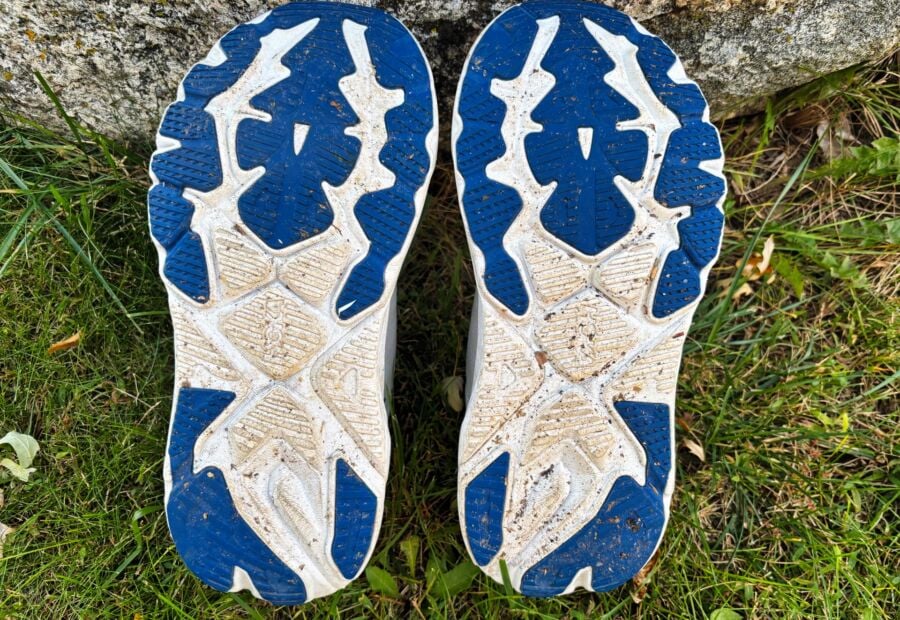
Let’s start from the ground up. The outsole features Super Abrasion Rubber, covering most of the forefoot and heel. Compared to previous editions, this version is noticeably thicker and more durable. After logging over 70 miles, there’s minimal visible wear. Traction was solid in wet conditions, and it handled a few off-road miles without issue.

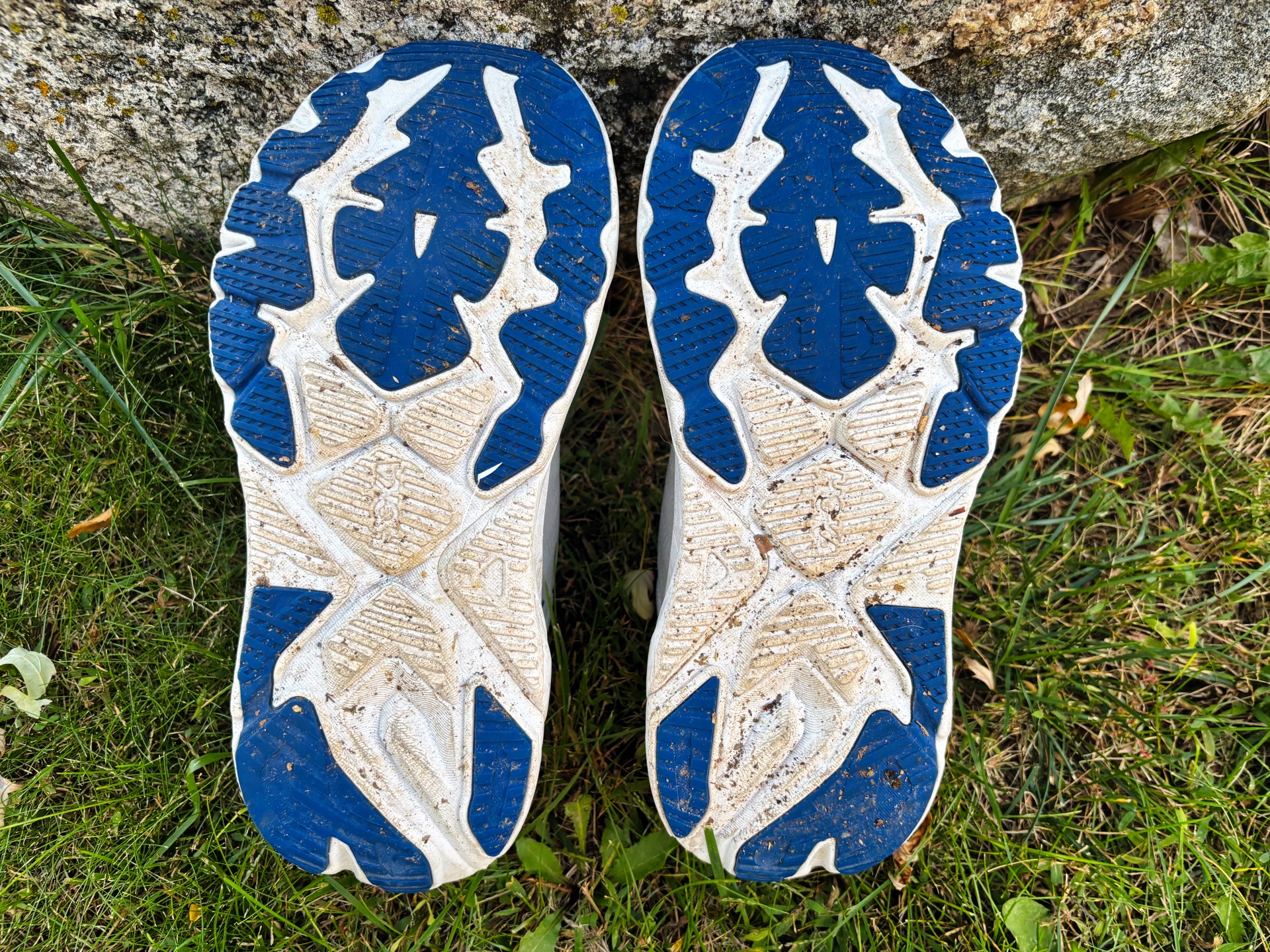
Moving to the midsole, Hoka introduced a few meaningful updates. The Arahi 8 now uses dual-density compression-molded EVA, replacing the previous CMEVA compound. The new material feels slightly softer right out of the box but truly comes alive after about 25 miles, offering more bounce and a smoother transition.
The biggest change is the switch from J-Frame to H-Frame technology. This dual-density structure in the midsole is what gives the Arahi its stability. Shaped like an “H,” the frame offers more support on the lateral side of the foot and activates only when needed. The sensation is somewhat similar to Brooks’ GuideRails, providing adaptive stability without feeling intrusive. Overall, I found the H-Frame to deliver a more balanced and stable ride than the J-Frame used in previous models.

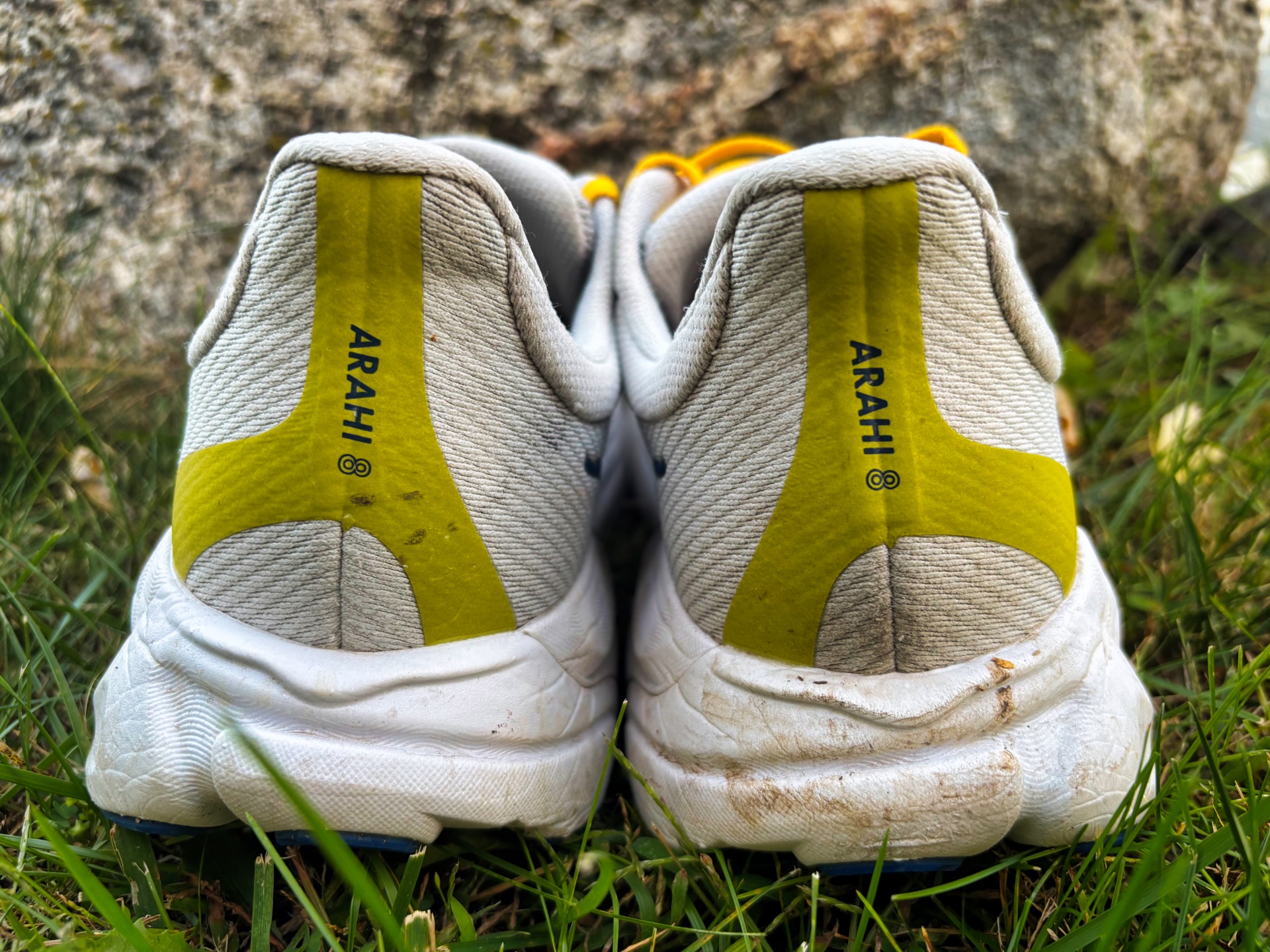
Two smaller but notable tweaks include an increase in both stack height and heel-to-toe drop. The heel stack now measures 41 mm (up 3 mm from before), and the drop has increased from 4 mm to 8 mm. Despite these changes, the overall ride of the Arahi remains consistent with previous versions.
In summary, the midsole of the Arahi 8 is a clear improvement over recent editions. Once broken in, it delivers responsive stability and lasting comfort. My favorite runs in these were the longer ones—where the adaptive H-Frame and generous cushioning really shined. It’s a midsole built for steady miles at an easy, relaxed pace.
Hoka One One Arahi 8 Conclusions

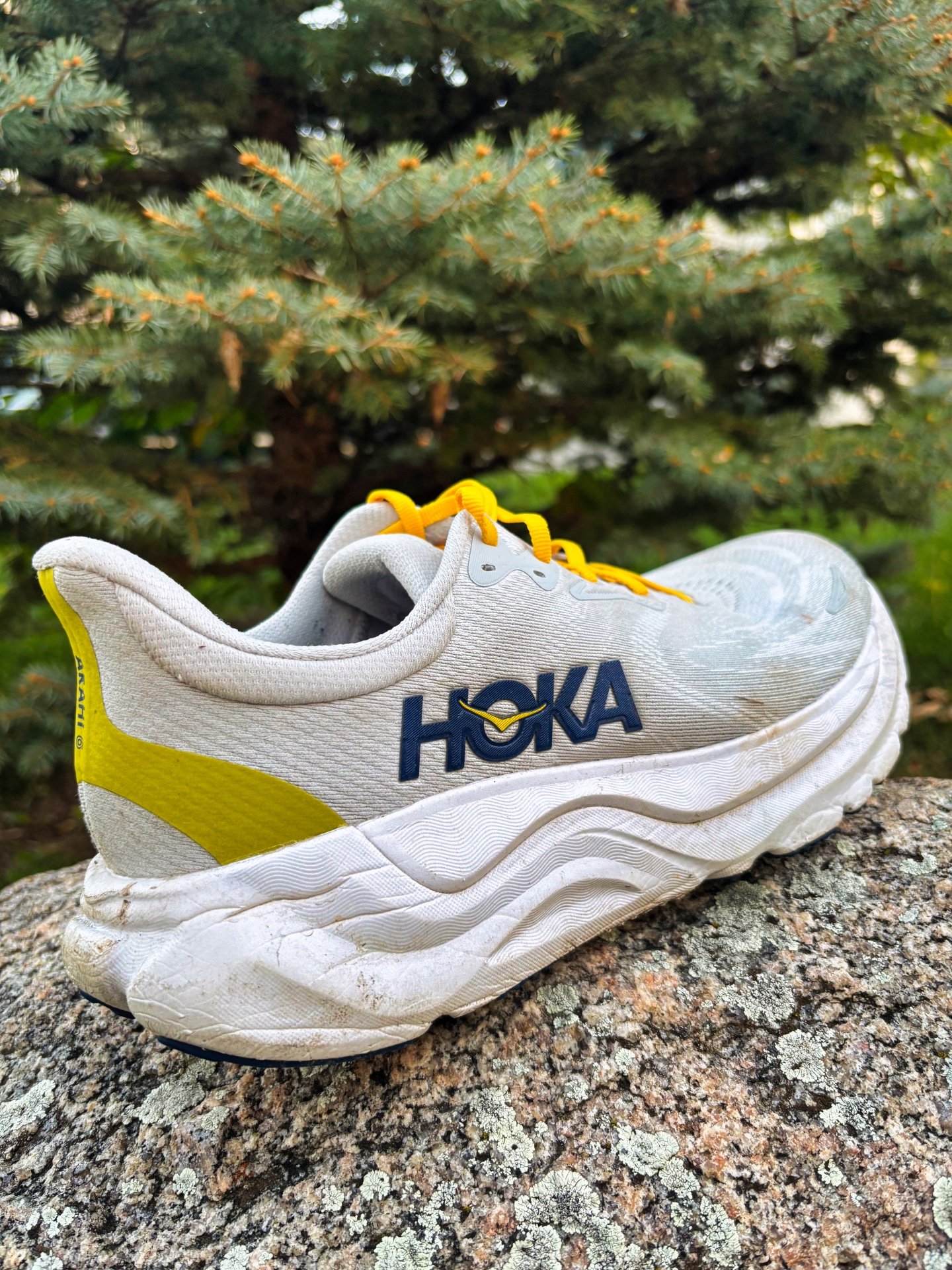
The Hoka Arahi 8 continues to build on what the brand does best—delivering a stable, cushioned, and dependable ride that caters to a wide range of runners. While Hoka has become a lifestyle name recognized far beyond the running community, the Arahi remains true to its performance roots.
It offers the signature Hoka feel: plush underfoot cushioning paired with a smooth rocker transition that encourages easy, efficient miles.
The updates to the midsole and outsole mark a step forward in both durability and ride quality. The new H-Frame technology provides adaptive stability that engages only when needed, giving the shoe a supportive yet natural feel. The outsole’s improved rubber coverage and the slightly softer midsole compound make it well-suited for long, steady runs or recovery days when comfort and protection take priority.
That said, the Arahi 8 isn’t without its quirks. The break-in period is noticeably longer than most stability trainers, with the midsole taking some time—around 25 miles or so—to fully open up. At times, the shoe can also feel a bit bulky underfoot, especially during faster efforts or quick transitions. These minor drawbacks don’t overshadow the overall experience, but they’re worth noting for runners who prefer an immediately smooth ride or a lighter-feeling shoe.
All things considered, the Arahi 8 has been my favorite version of this model so far. It feels more dialed in, more balanced, and more dependable than past editions. That said, it’s still not my overall favorite daily trainer—it’s a little too structured for my personal taste. But if you’re someone who wants moderate stability in a smooth, cushioned package that can handle serious mileage, this is the best Arahi yet.
How does the Arahi 8 compare?
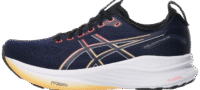
Asics Gel Kayano 32
Hoka One One Arahi 8

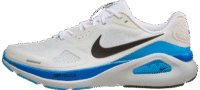
Nike Structure 26
Why you can trust us
As editorial policy, we do not accept free samples from companies.We purchased this pair of Hoka One One at Running Warehouse with our own money.
This page contains affiliate links. As an Amazon Associate we earn from qualifying purchases. Read more about our policy.


Reviewed by TJ

TJ Jones lives in Omaha, Nebraska with his wife and toddler son. He has been running for over half of his life. He has completed 3 full marathons and countless half marathons. In the daytime, he is a school counselor. He loves running no matter if it is on the road or trails
User feedback (0)


Similar shoes to Hoka One One Arahi 8