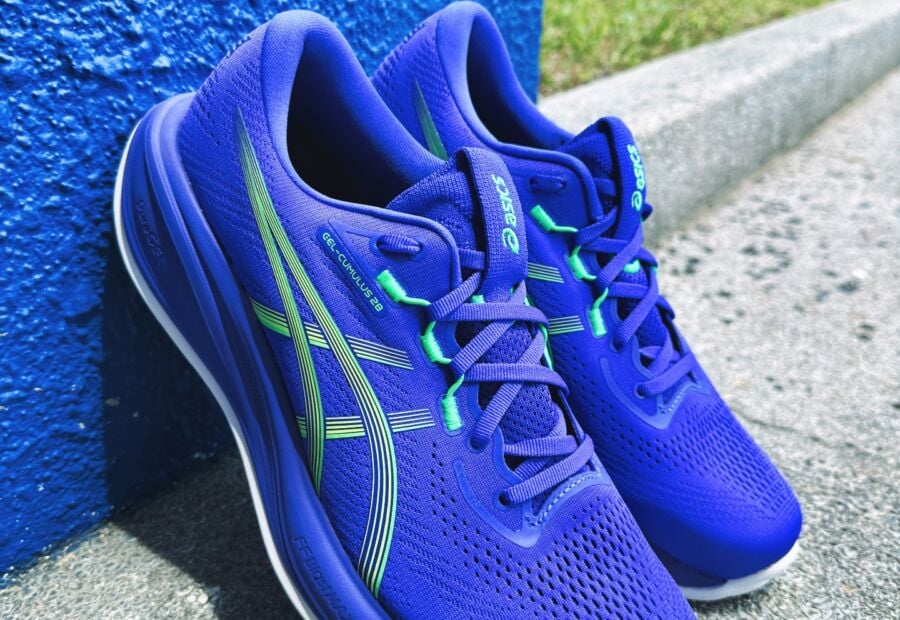
Asics Gel Cumulus 28 review

Asics Gel Cumulus 28 Verdict
The pros
- Respectable weight for a daily trainer
- High level of ground feel
- Good foot lockdown
- Good stability
The cons
- Firm ride without much bounce
- Below average grip
- Narrow toe box

Rating breakdown
The facts
Size & fit
Cushioning & ride
Who should buy the Asics Gel Cumulus 28 ?
If you prefer firm trainers with plenty of ground feel, the Cumulus 28 will be right up your alley.
If you find the Nimbus and the Novablast too squishy and unstable, the Cumulus 28 feels significantly firmer and more stable.
Who should not buy the Asics Gel Cumulus 28 ?
If you’re expecting a cloud-soft ride like its name suggests, you’ll be disappointed in the Cumulus 28’s firm ride.
If you enjoy energetic and bouncy rides, you’ll find the Cumulus 28 ride too flat.
Asics Gel Cumulus 28 Introduction

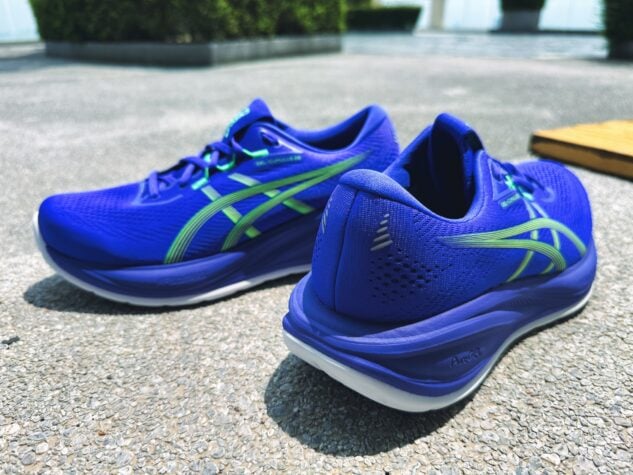
Before the Novablast took over and became the default ASICS trainer, the Cumulus was the king. The Cumulus is one of the “classic” ASICS trainers, along with the Nimbus, Kayano, and GT series. These are the ASICS stalwarts.
The Cumulus is the traditional, mid-range daily trainer for the bulk of your weekly mileage. Competitors in this category include the Nike Pegasus, Saucony Ride, Brooks Ghost and HOKA Clifton.
I’ve run in 3 versions of the Cumulus over the years with my favourite being v25. It had a really plush ride with good energy return. It was the first Cumulus that was deserving of its cloud name.
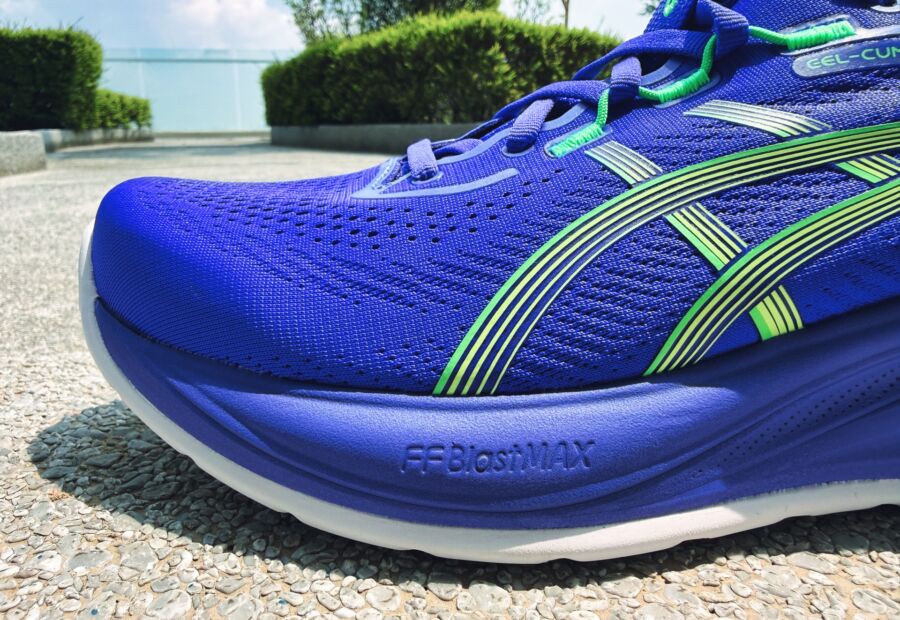
The new headline update in the Cumulus 28 is the change of midsole foam from FF Blast+ to the newer FF Blast Max, which is the same foam that’s in the Novablast and the GlideRide Max. FF Blast+ is an EVA blend whereas FF Blast Max is a POE (polyolefin elastomer). The Cumulus 28 also has a new upper and has extra rubber on its outsole.
The Cumulus 28 weighs 267 g (9.4 oz) for a men’s UK 8. It’s 2 g (0.1 oz) heavier than the Cumulus 27 and the price has increased by $5 to $145.
Testing Details
- 26 km long run at 6:36 per km
- 15 km easy run at 6:27 per km
- 21 km easy run at 6:31 per km
- 15 km recovery run at 7:03 per km
- 4 km recovery run at 7:31 per km
- 13 km easy run at 6:39 per km
Asics Gel Cumulus 28 First Impressions

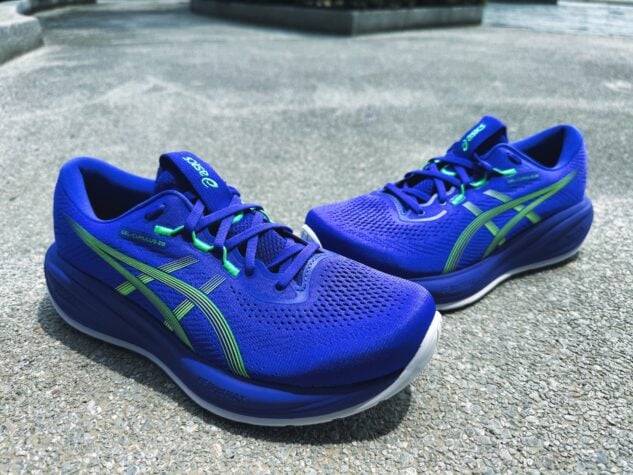
When I tried it on in the store, the length felt shorter than most shoes and my toes could touch the edge of the toe box so I decided to go up a half size.
My first run was a 13 km easy run. The ride felt way firmer than I expected- I thought it would have a similar squish and bounce to the Novablast 5 but it was significantly firmer.
The shoe that it reminded me of was the HOKA Mach Supersonic, the iteration between the Mach 4 and Mach 5. The Cumulus 28 felt a bit firmer and less energetic than the Mach Supersonic but they both have no traditional outsoles.
Asics Gel Cumulus 28 Upper

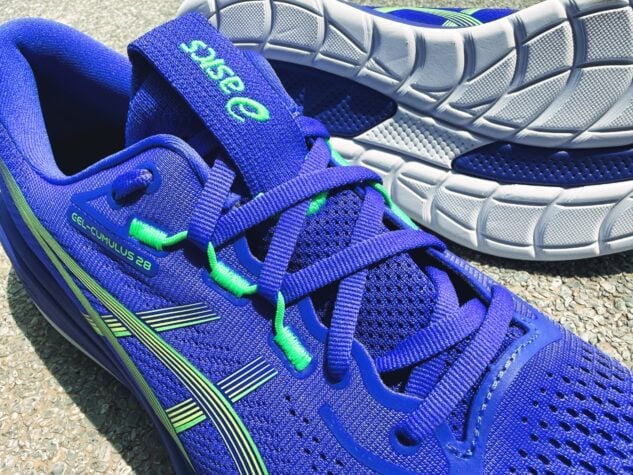
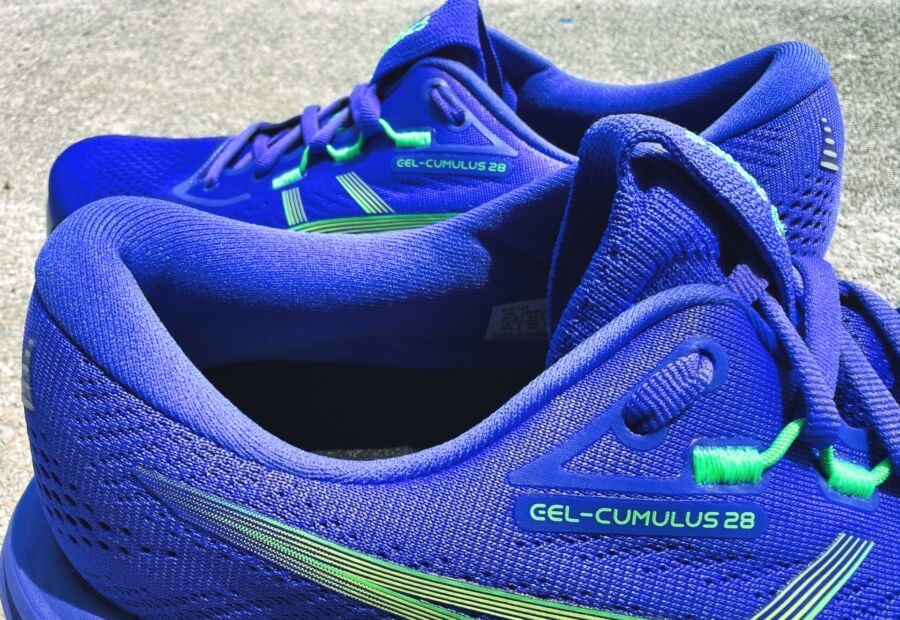
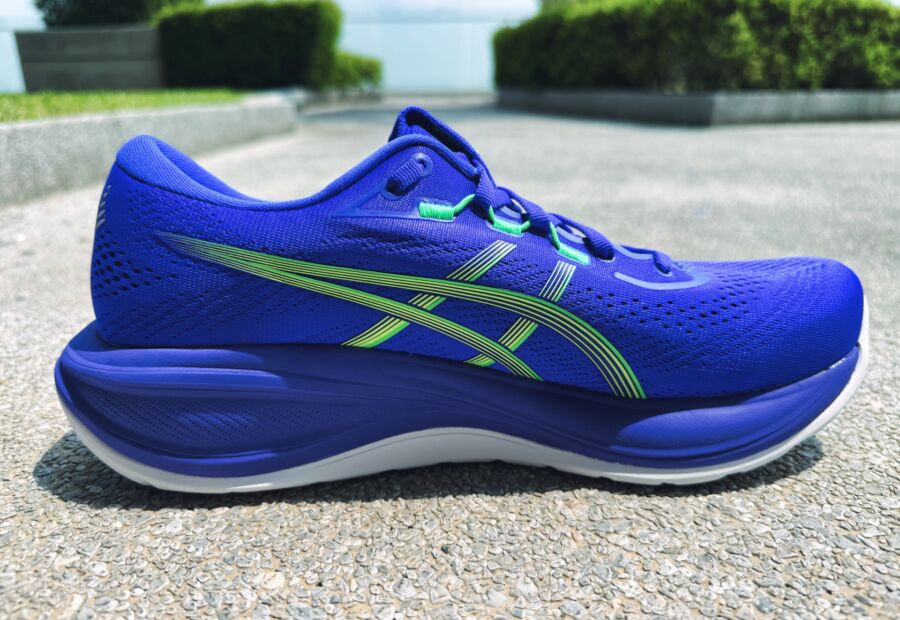
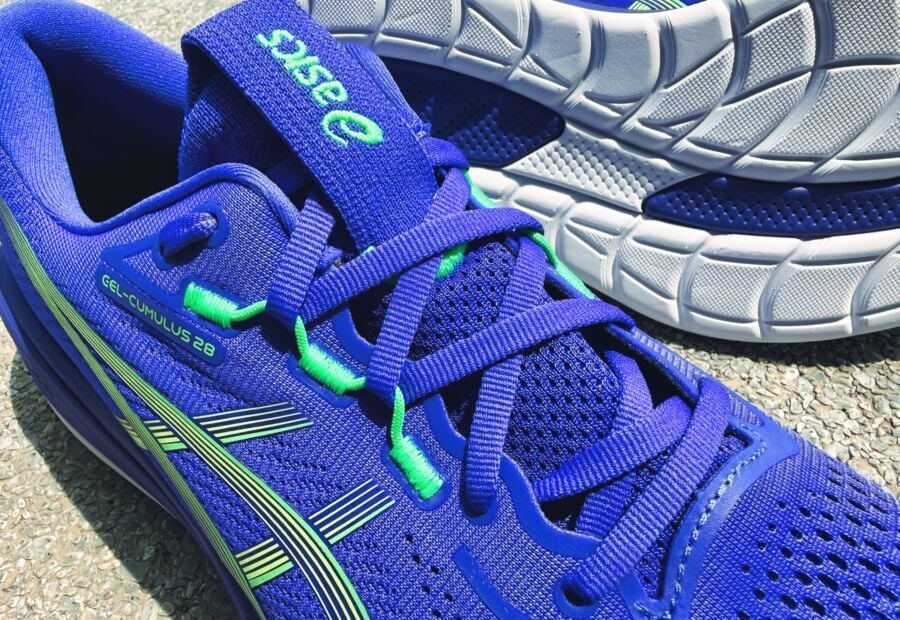
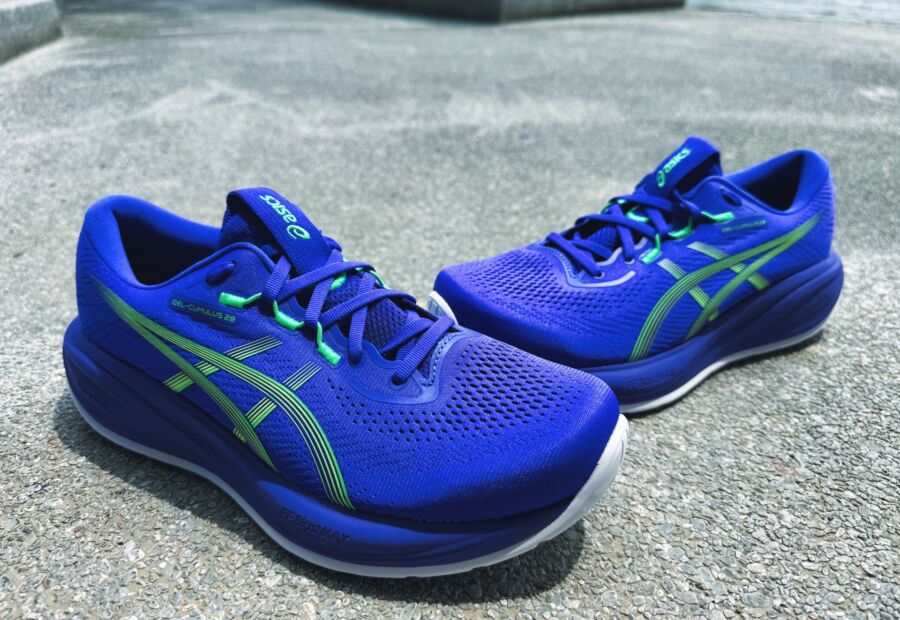
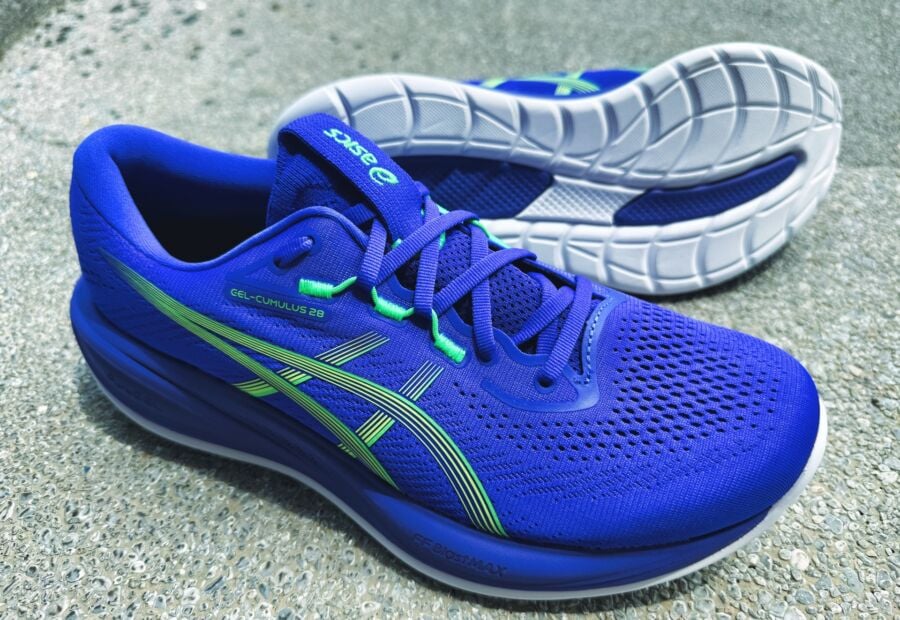
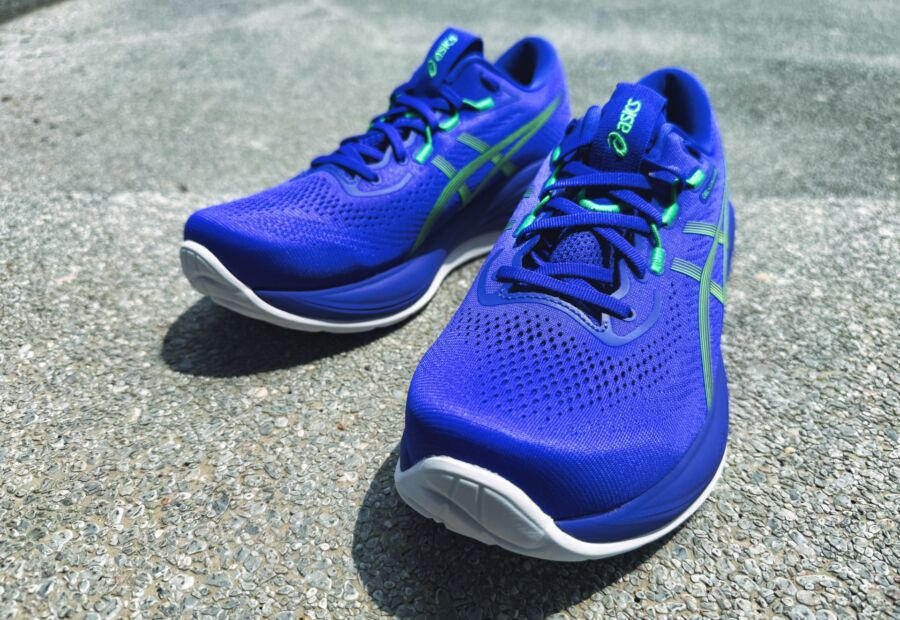
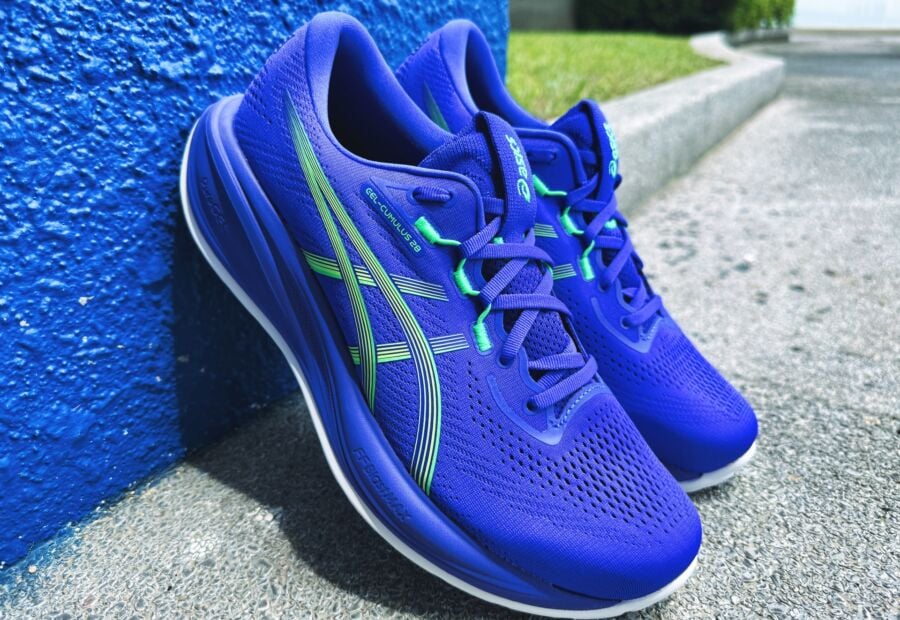
The Cumulus 28 has an engineered mesh upper with decent breathability. It reminds me a lot of the GlideRide Max 1 upper. The semi-gusseted tongue is flat and knitted, similar to the one that’s on the Nimbus 28- there’s no tongue slide and there’s a pull tab on it.
The collar and the heel tab are generously padded, and foot lockdown is good. There are two small reflector strips on the heel counter for safety.
The length is a bit shorter than most ASICS trainers and the toe box is also narrow so I recommend going up a half size if you like a more spacious interior. If you prefer a snug toe box, go true to size. The fit is similar to the Novablast 5.
Asics Gel Cumulus 28 Sole Unit

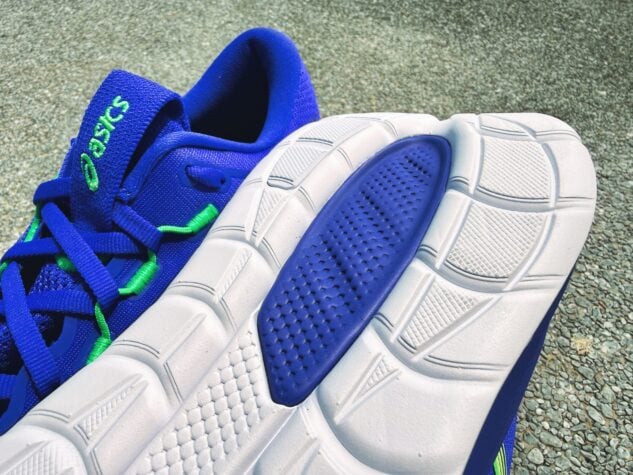
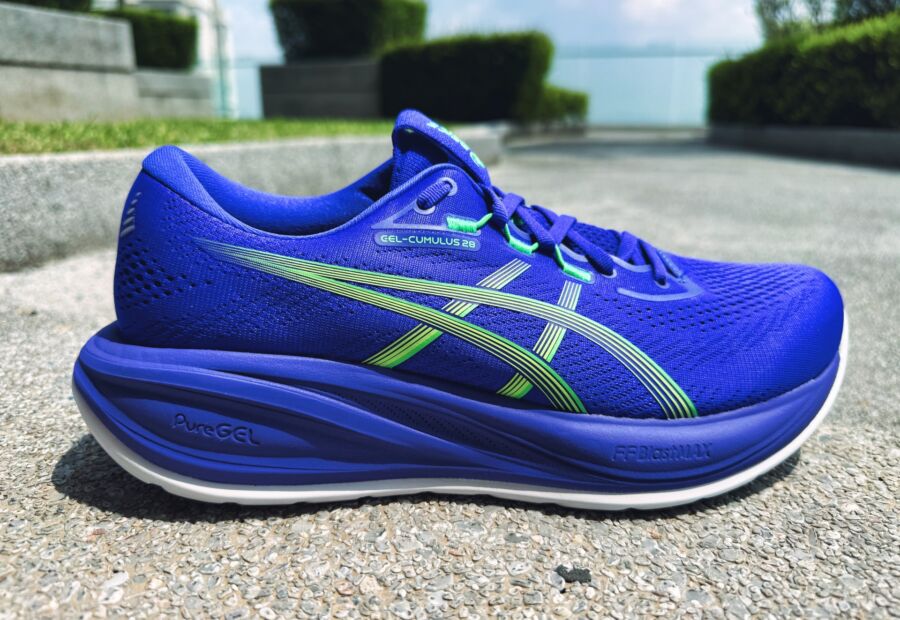
The new Cumulus 28 midsole is disappointing because the FF Blast Max layer feels nothing like the squishy and energetic FF Blast Max that’s in the Novablast 5. The Cumulus 28’s midsole feels dense and firm without any energy return; the ride feels very flat. It feels more similar to FF Blast+ than Max.
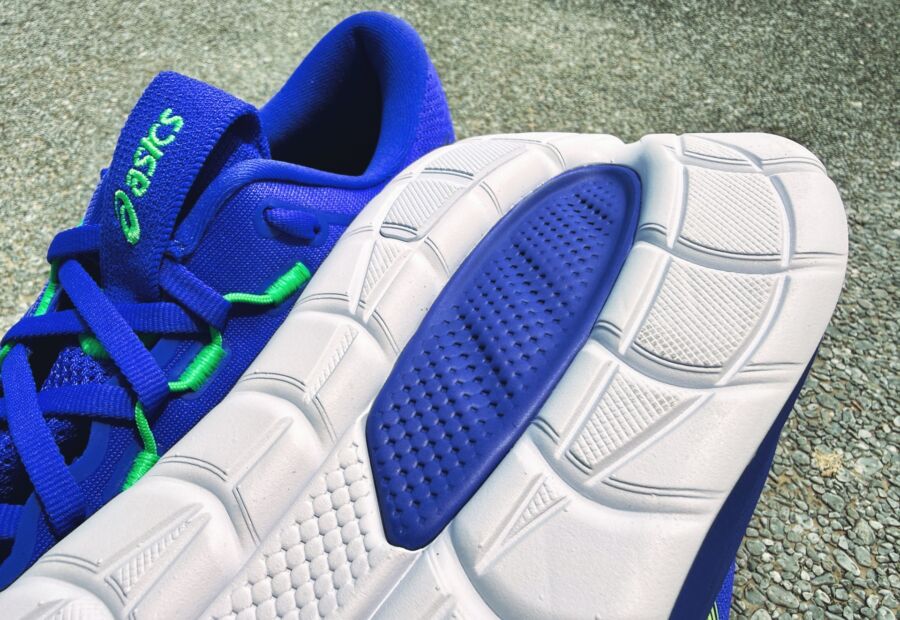
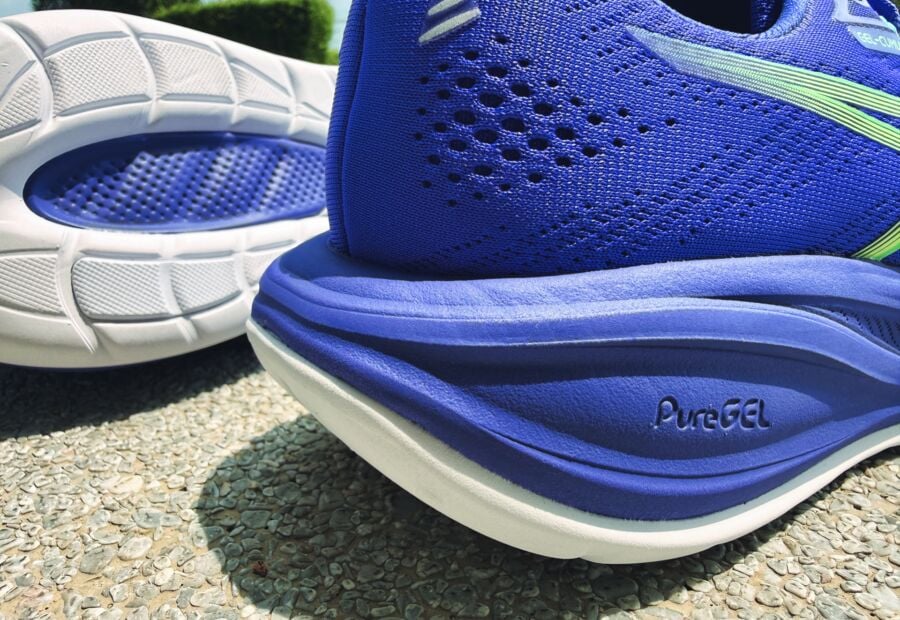
You still get gel in the heel but it’s a small, hidden unit in the rearfoot that I can’t feel. Only the legacy trainers like the Cumulus, Nimbus, Kayano etc. still have gel in their midsoles.
The Cumulus 28 is only suited to easy and moderate runs. It’s too firm for recovery runs and it doesn’t have the energy return needed to make fast speed and threshold runs enjoyable. There’s also no forefoot rocker so it doesn’t feel like it saves you energy during long runs.
The longest run I did in the Cumulus 28 was 26 kilometres and I found the last 5 kilometres harsh because of how firm it felt. It has 38.5 mm of stack height in the heel so it’s not a thin midsole but the foam is just too firm. The only benefit of the ride being so firm is the stability. It feels like a very supportive, stable ride.

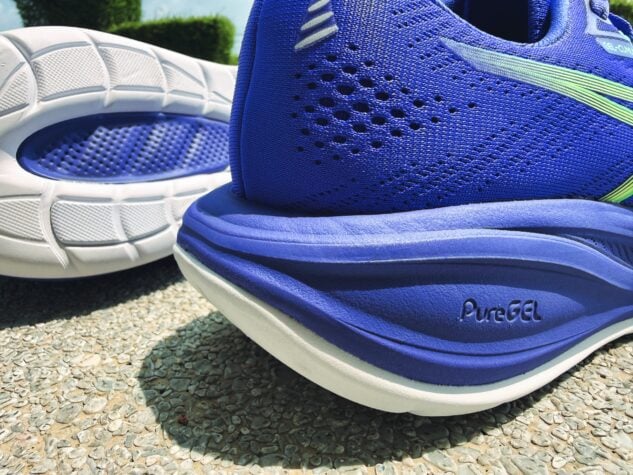
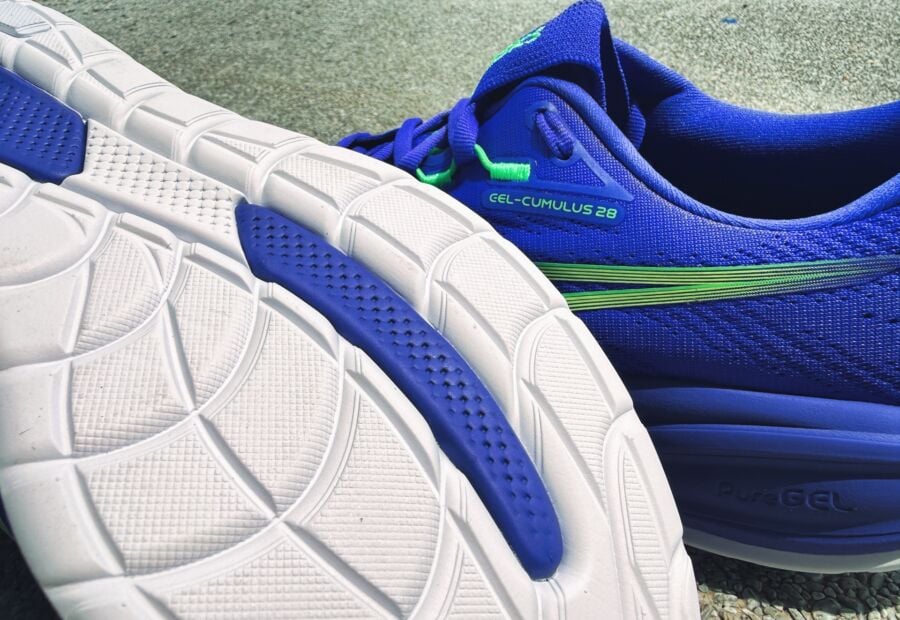
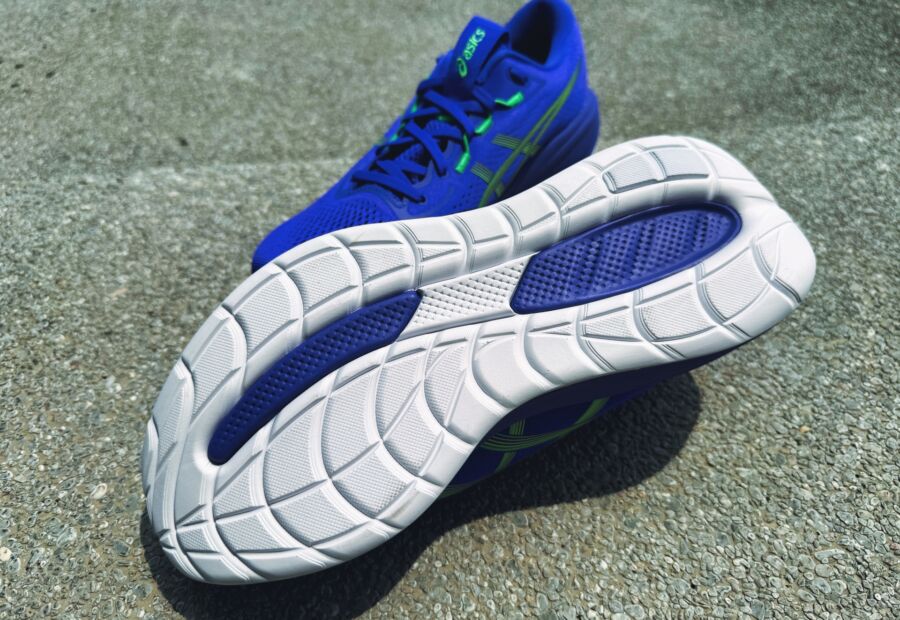
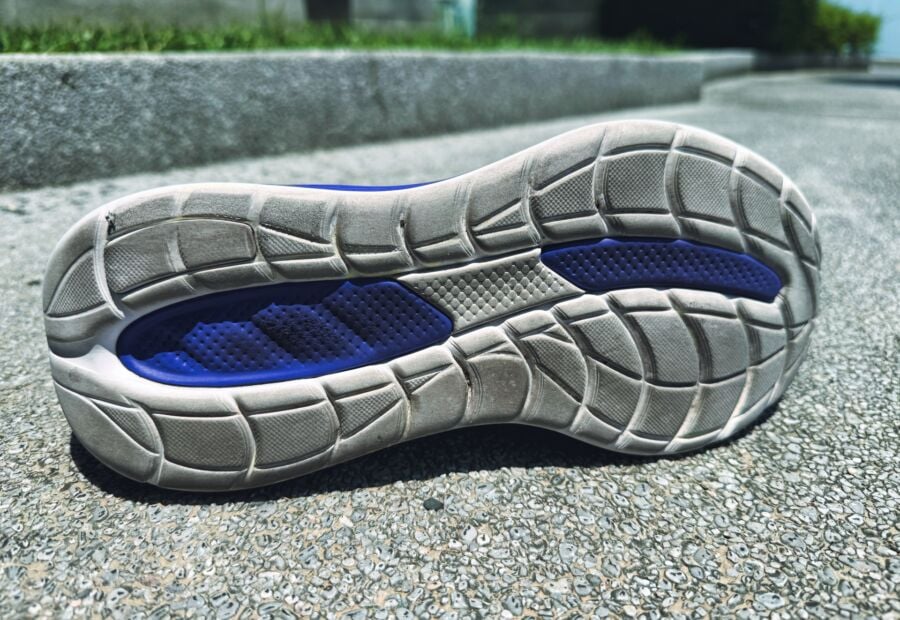
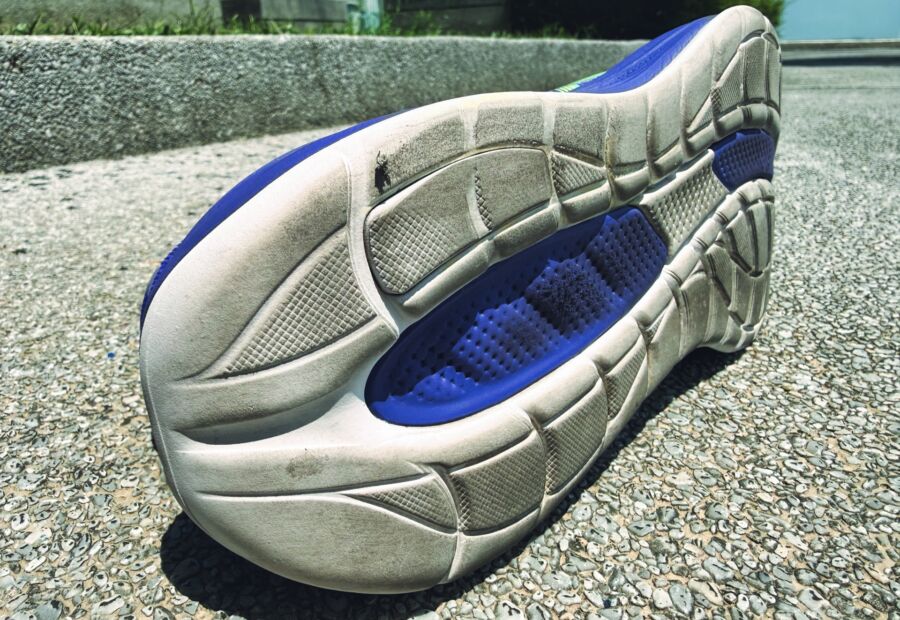
The biggest difference between the Cumulus 28 and other daily trainers is its FluidRide outsole which is basically a firm foam that comes into contact with the ground. This makes landings feel more padded compared to trainers with hard rubber outsoles.
There’s only a very small piece of rubber on the outer lateral heel of the outsole to protect this high strike area. On my pair, I can see some wear around the rubber piece but overall, the outsole has been more durable than I expected. You should be able to get some decent mileage out of the Cumulus 28, even if you’re hard on outsoles like I am.
When it comes to traction, the outsole is completely flat so it doesn’t bite into the ground; the Cumulus 28 grip isn’t as good as other trainers.
Asics Gel Cumulus 28 Conclusions

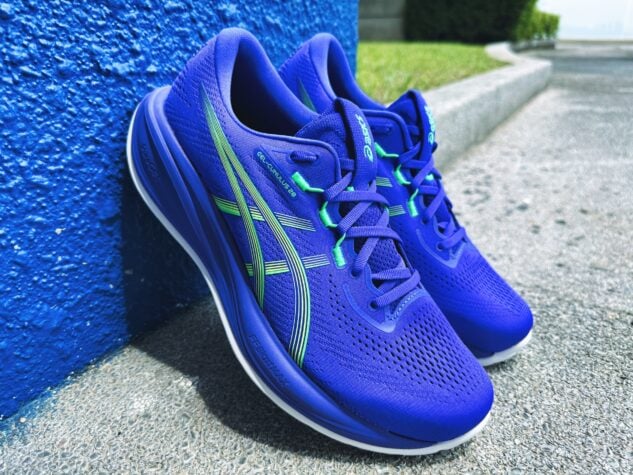
The Cumulus 28 is probably my least favourite of all the Cumulus versions I’ve tested. With the switch to the new FF Blast Max foam, I was expecting it to feel a lot softer and more energetic. Its ride doesn’t feel very engaging.
It kind of feels like a budget version of the Novablast however it’s only $5 cheaper than the Novablast 5. I would recommend paying a little bit more and getting the Novablast- it has a much better, more enjoyable ride that’s softer and bouncier.
Compared to the other mid-range daily trainers, the Cumulus 28 has the firmest ride of them all. It also feels the most stable. It has the most ground feel and padded landings thanks to its FluidRide outsole.
If you don’t like the tall, modern daily trainers that every brand is churning out and you long for the basic trainers of yesteryear, the Cumulus 28 could be a good fit for you.
How does the Gel Cumulus 28 compare?
Nike Pegasus 42
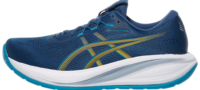
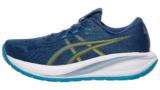
Asics Gel Cumulus 28
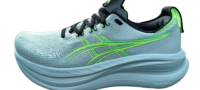
Asics Gel Nimbus 28
Why you can trust us
As editorial policy, we do not accept free samples from companies.We purchased this pair of Asics at Running Warehouse with our own money.
This page contains affiliate links. As an Amazon Associate we earn from qualifying purchases. Read more about our policy.


Reviewed by Brandon

Brandon is a South African marathoner based in Malaysia, where the humidity is high and his shoe rotation is even higher. He’s a runner with a full-blown addiction to running shoes. Most people buy shoes to run—Brandon runs to justify buying more shoes. If there’s a new drop, he’s probably already logged 100km in them.
User feedback (0)

Similar shoes to Asics Gel Cumulus 28

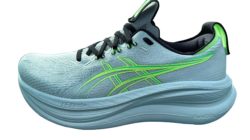
ASICS Gel Nimbus 28 Review


ASICS MEGABLAST Review