Brooks Glycerin 23 review
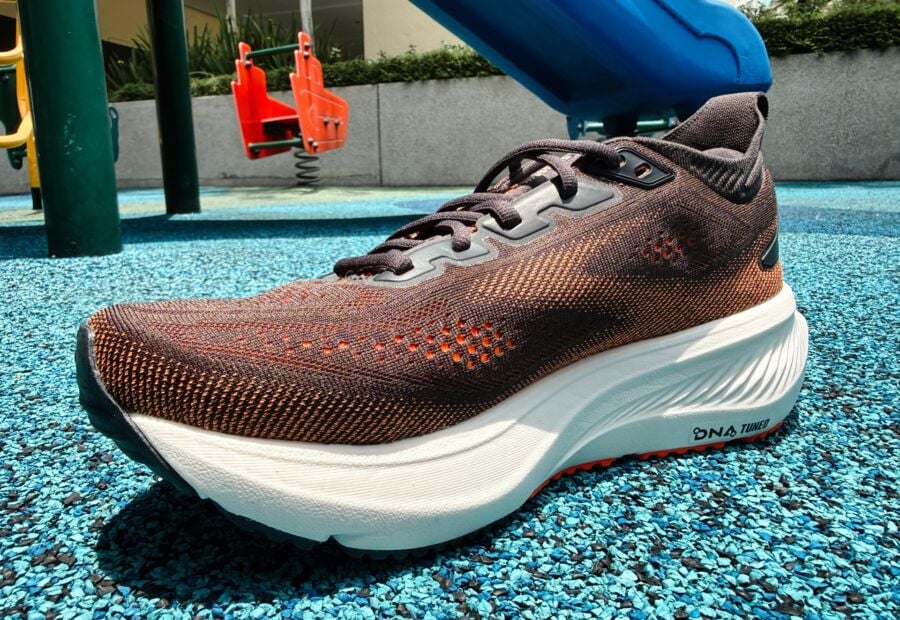
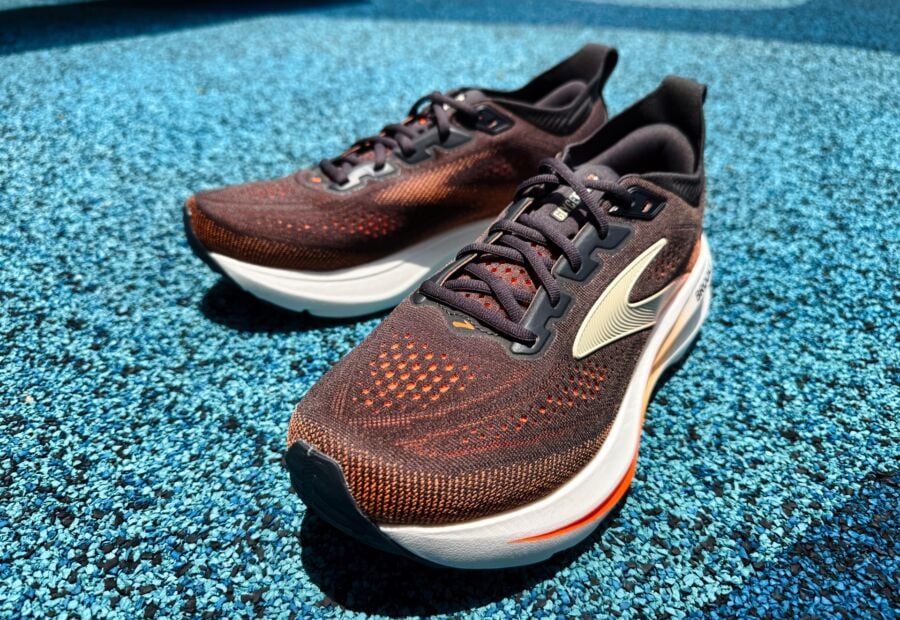
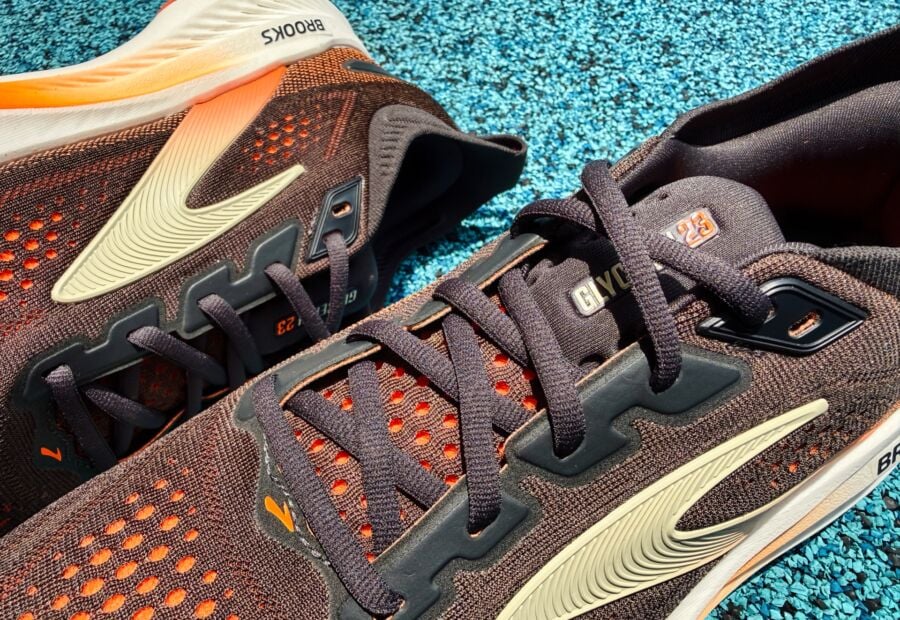

Brooks Glycerin 23 Verdict
The pros
- 2 mm more cushioning in the forefoot makes it feel more modern
- Soft and premium upper materials
- Tough and durable outsole
- Very stable, supportive ride
The cons
- DNA Tuned midsole doesn't feel particularly energetic or springy
- $10 more expensive than the Glycerin 22
- Heavier than its predecessor




Rating breakdown
The facts
Size & fit
Cushioning & ride
Who should buy the Brooks Glycerin 23 ?
If you found previous Glycerin versions had too much heel stack height and not enough forefoot stack height, the Glycerin 23’s new 8 mm drop is a good option.
If you want a stable, durable daily trainer with a comfortable upper, the Glycerin 23 is a good choice.
Who should not buy the Brooks Glycerin 23 ?
If you’re looking for a super soft ride with plenty of squish, the Glycerin 23 will be too firm for you.
If you want a versatile trainer that you can also do your speedwork in, you’ll find the Glycerin 23 too slow.
Brooks Glycerin 23 Introduction

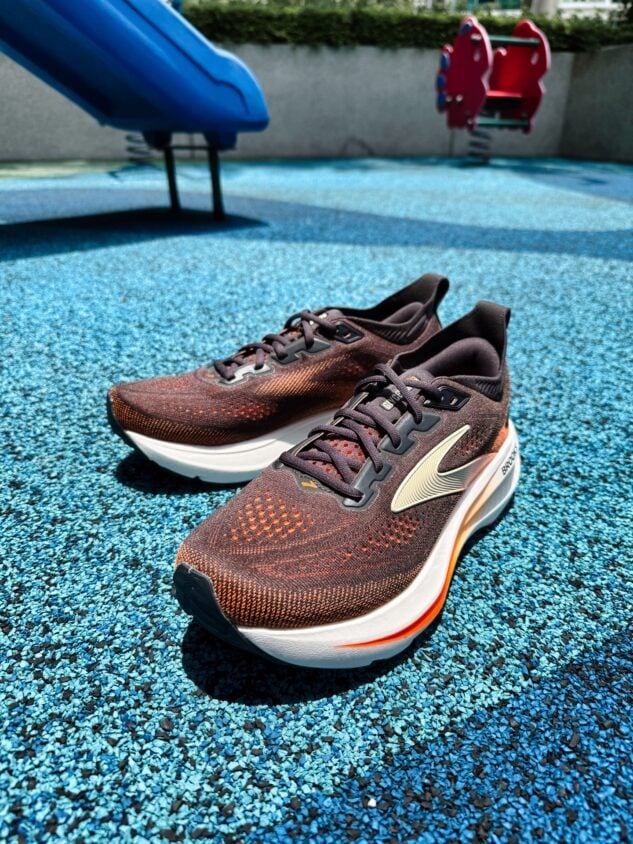
The Brooks Glycerin is the quintessential, premium daily driver. If the Glycerin was a car, it would be a Mercedes E-Class. Neither shoe, nor car is trying to be exciting; they’re trying to be perfectly competent, and they both succeed at that.
Glycerin runners know what works for them and they aren’t interested in changing to anything else. That’s why it’s already on its 23rd version. In fact, the Glycerin series has been so popular over the years that it has branched out into 3 spinoff series. GTS, Flex and Max versions of the Glycerin all exist now.
I’ve bought 4 Glycerin versions over the years. I haven’t been disappointed with any of them but I also haven’t been particularly impressed either. My favourite version was 19- it was so comfortable that the upper felt like it was designed specifically for my feet.
In the Glycerin 23, the big headline change is the drop. The Glycerin series has always had a signature 10 mm drop but in version 23, it’s been reduced to an 8 mm drop. We also recently saw the Brooks Ghost change from a 12 mm to a 10 mm drop.
This change should make the weight feel more equally distributed. It should also be more suitable for forefoot strikers since there is more cushioning under the forefoot.
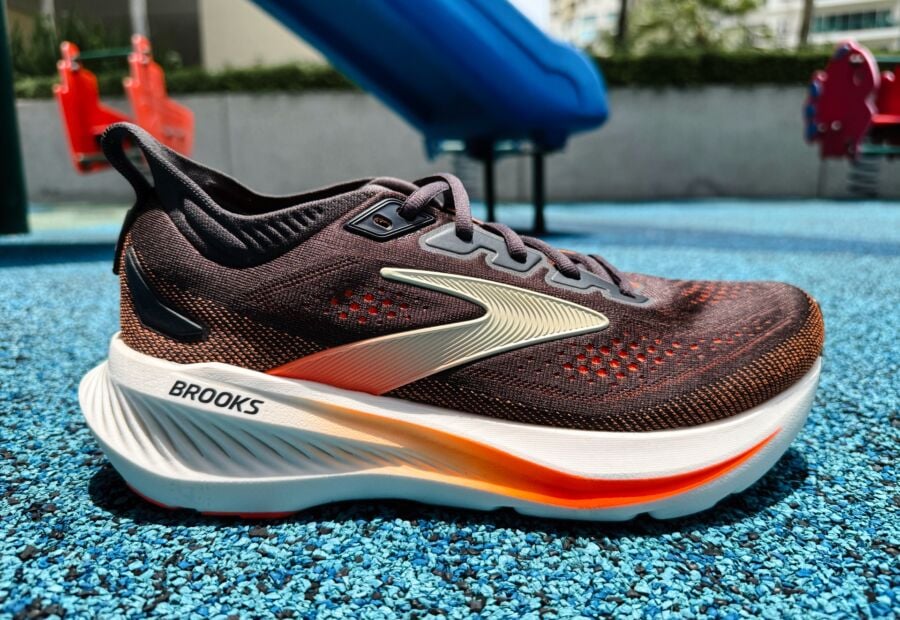
The Glycerin 23 weighs 11 grams (0.4 oz) more than its predecessor. It’s now 300 g (10.6 oz) for a men’s UK 8. Version 23 has stack heights of 38 mm/30 mm. The price has risen by $10 to $175, making it one of the more expensive traditional, max-cushioned trainers.
Testing Details
- 15 km easy run at 6:04 per km
- 10 km easy run at 6:46 per km
- 15 km easy run at 6:37 per km
- 8 km recovery run at 7:31 per km
- 14 km recovery run at 7:22 per km
- 10 km easy run at 6:45 per km
- 12 km easy run at 6:55 per km
Brooks Glycerin 23 First Impressions
I’ve run in previous Glycerins so I knew what to expect from version 23. There are no surprises here and there’s nothing modern or cutting edge about the Glycerin 23’s ride.
My first run was a 12 km easy run. It was in the rain and the grip was decent- not amazing but acceptable for a daily trainer. It didn’t feel like it could pick up the pace. It felt like a pure easy day and recovery run trainer.
Although it was one of the heaviest trainers I’ve tested in recent times, it didn’t feel too clunky or heel biased; I enjoyed the new 8 mm drop. It reminded me of the Brooks Ghost 17 but with a softer, more premium tongue.
Brooks Glycerin 23 Upper

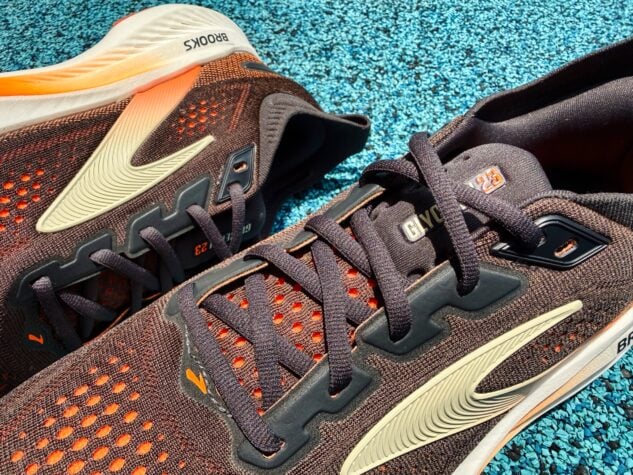
There used to be a StealthFit version of the Glycerin with a knitted bootie construction upper. This year, there’s no StealthFit version but they’ve infused elements of it into the regular version.
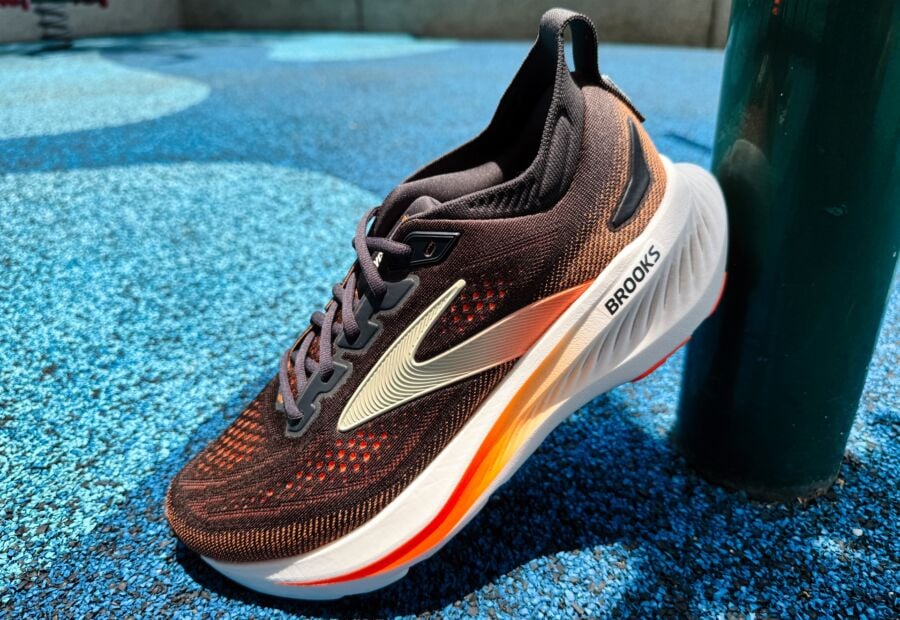
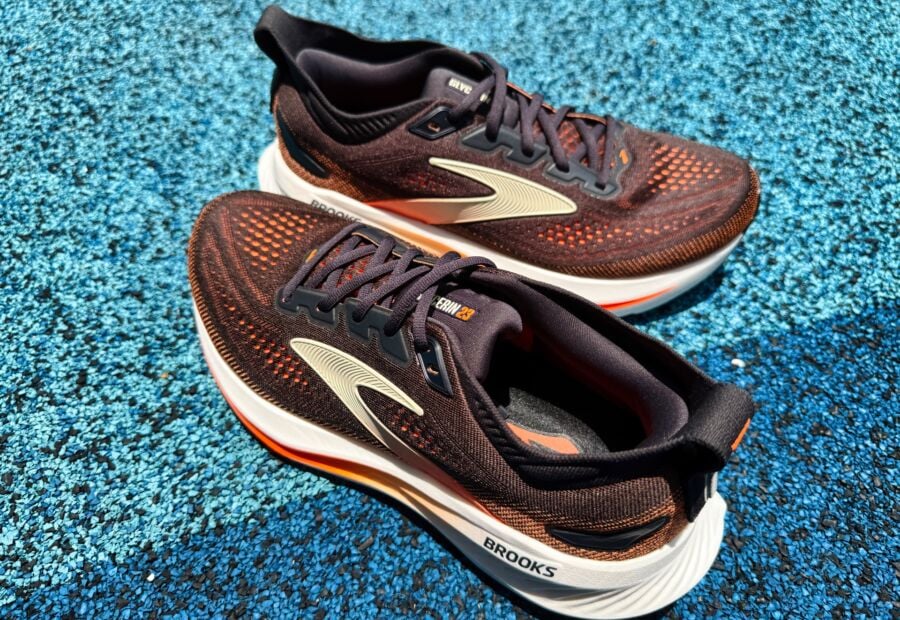
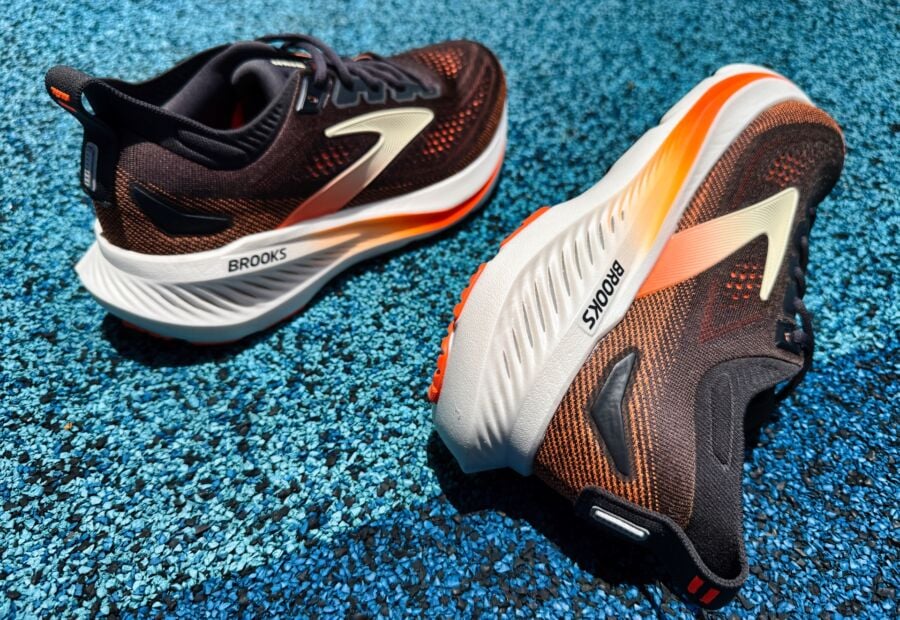
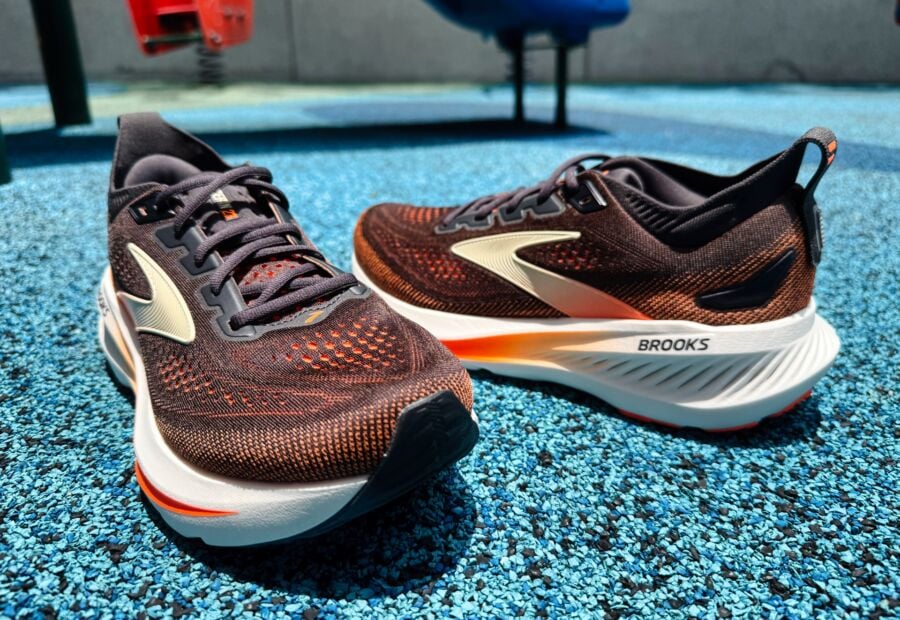
The Glycerin 23 has a triple jacquard mesh upper with a knitted collar that you used to find on the StealthFit version. The knitted collar is purely aesthetic and it doesn’t affect performance. The generously padded upper is more suited to cool climates than warm ones.

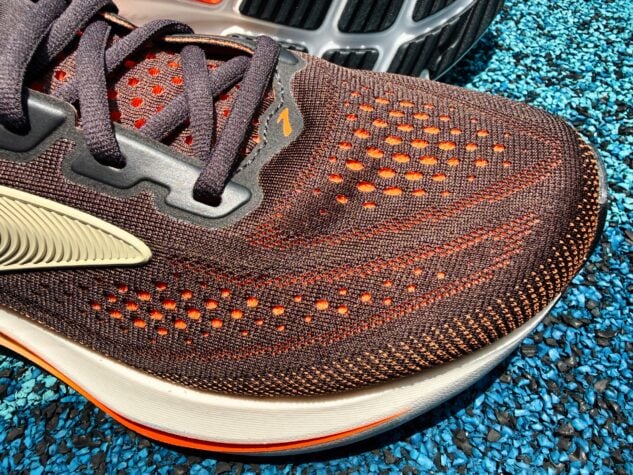
I find the upper really comfortable and it fits my feet perfectly. It’s true to size but it’s best suited to low-volume, narrow feet. Those with wide or high volume feet will definitely need the wide version or a half size bigger.
Foot lockdown is superb and you get that really premium, plush quality that Brooks is famous for. There’s a small reflective strip on the back of the heel counter for safety.
Brooks Glycerin 23 Sole Unit

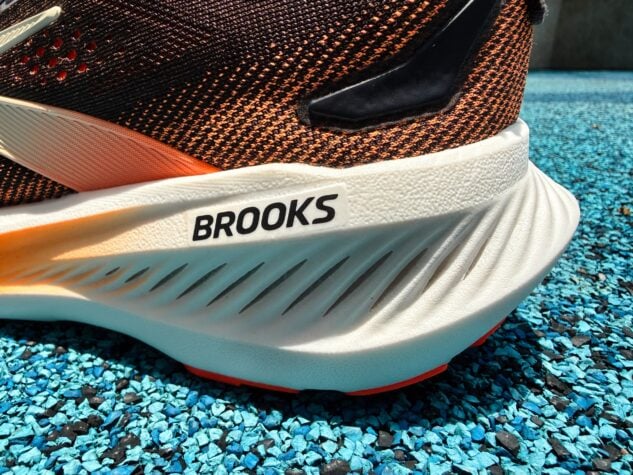
The Glycerin has never had a super plush ride like other max-cushioned trainers such as the ASICS Nimbus or the New Balance 1080. In the Brooks lineup, the Glycerin Max and Hyperion Max 3 have softer rides.
The Glycerin 23 has a typical “traditional” daily trainer ride and version 23 feels very familiar to previous Glycerin users. It feels “old school” to runners who have used the thicker Glycerin Max or other new daily trainers with super foams in their midsoles.
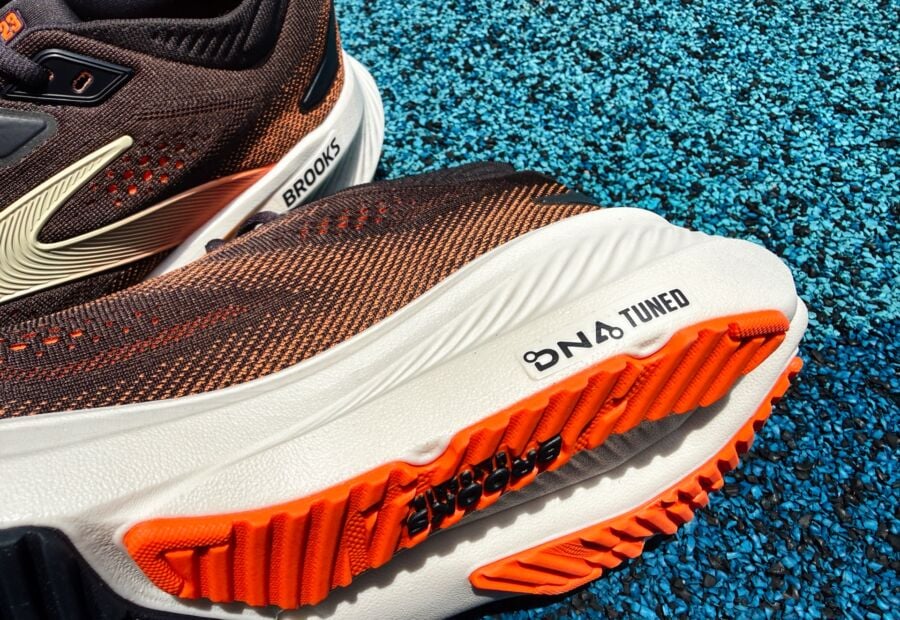
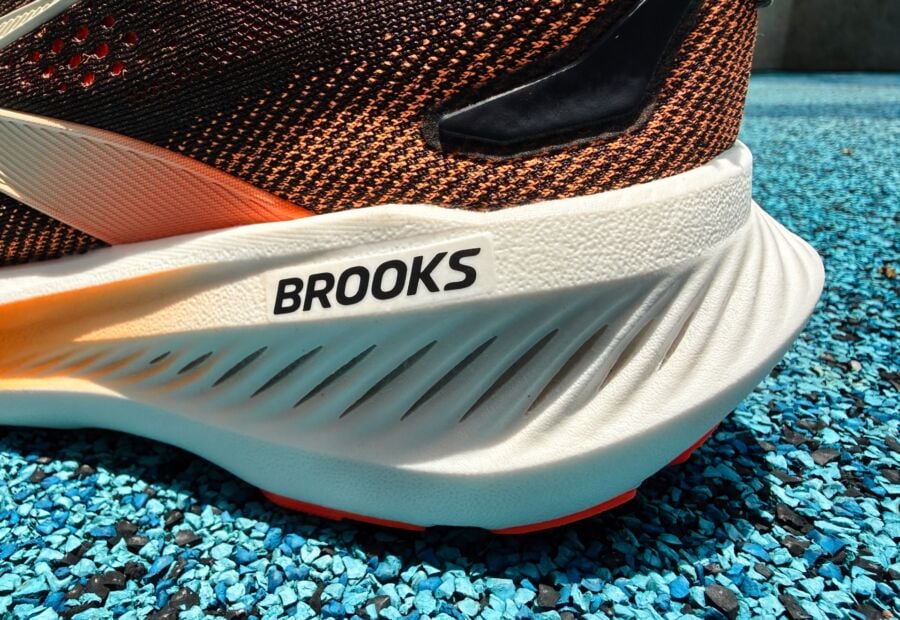
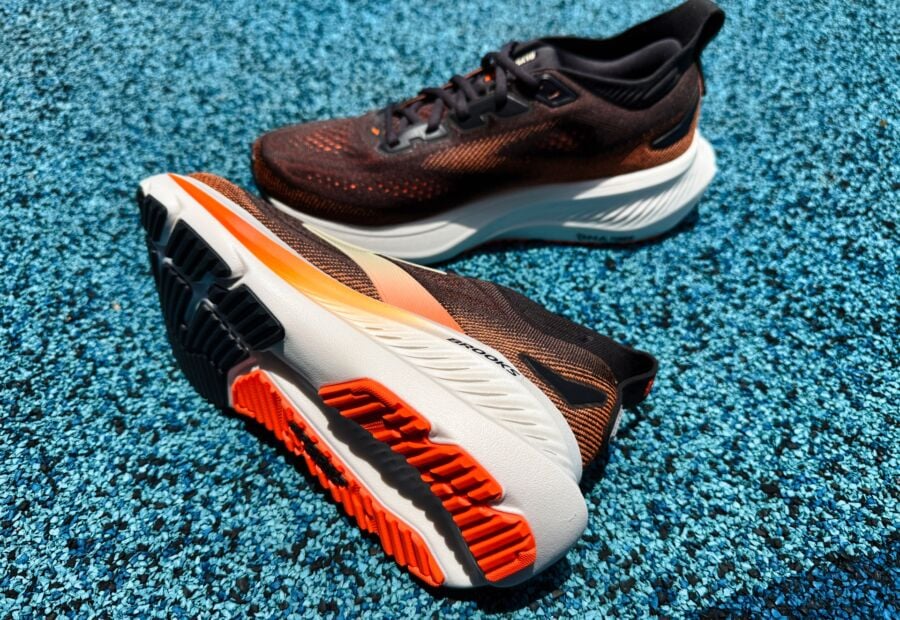
The DNA Tuned midsole doesn’t have much flare but it has a balanced ride that’s neither too soft, nor too firm. It’s a dual-density midsole with firmer foam under the forefoot to make it feel faster but when running, I don’t notice it; the ride feels smooth and cohesive.

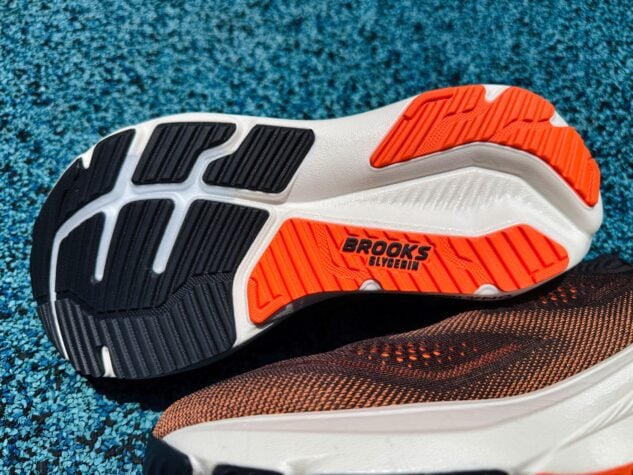
The Glycerin 23 has no stiffener in its midsole so it has a very flexible forefoot. It’s best suited to easy and recovery runs due to its heavier build and its lack of a rocker. I prefer using it for runs shorter than 20 km due to its flexible nature.
One of the Glycerin 23’s best features is its high level of stability and support, even though there’s an even more supportive GTS version with raised midsole edges. Going around corners feels stable and not at all wobbly.
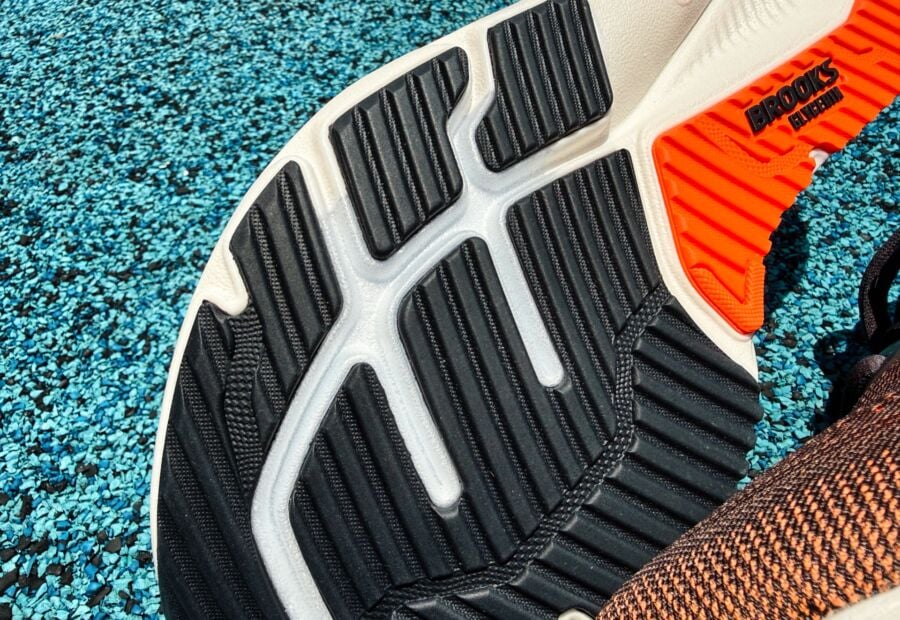
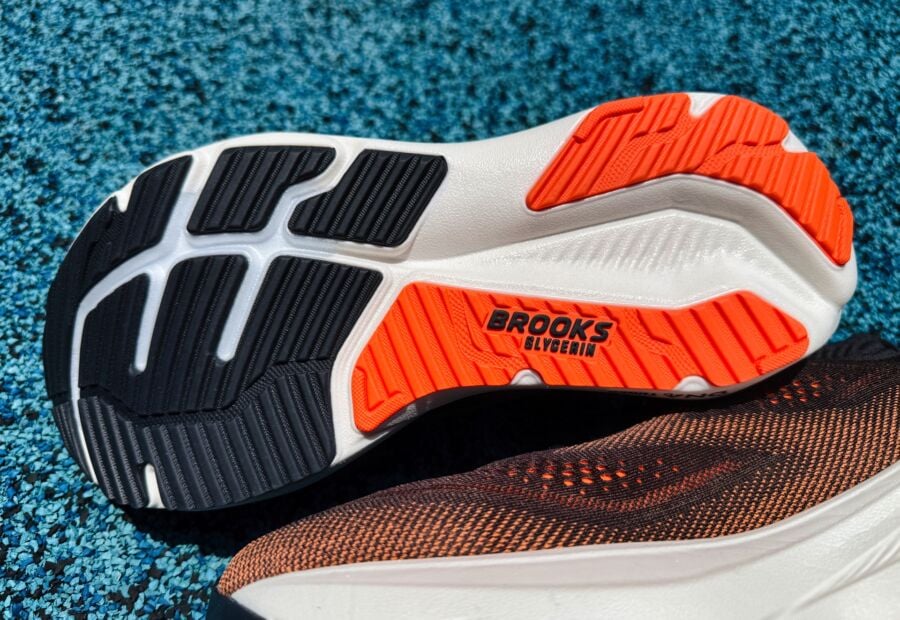
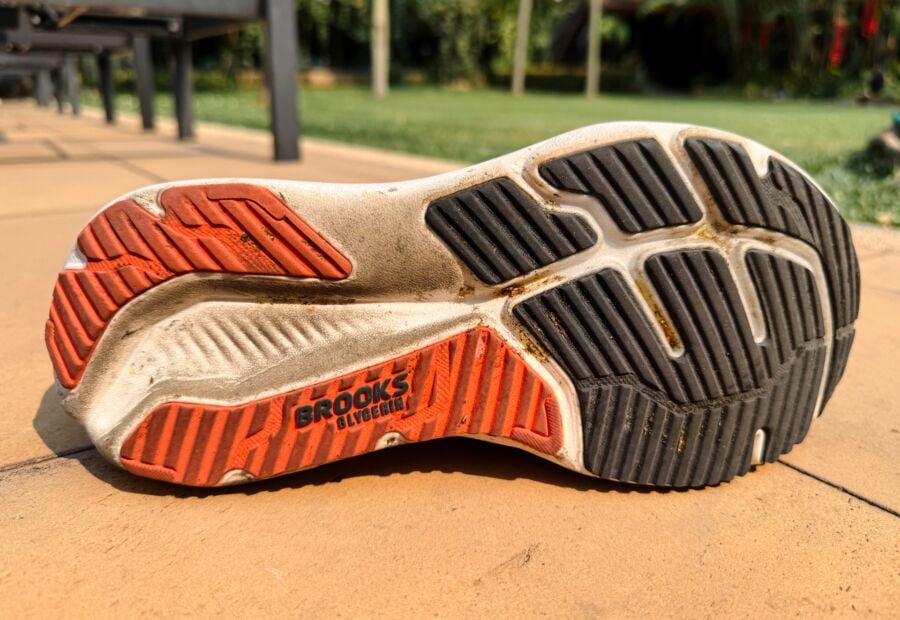
The outsole of the Glycerin 23 is protected by thick, durable rubber that’s designed to handle a ton of mileage. There’s only a very small portion of the midfoot that’s not protected. My pair is holding up extremely well and there’s very little outsole wear.
Brooks Glycerin 23 Conclusions

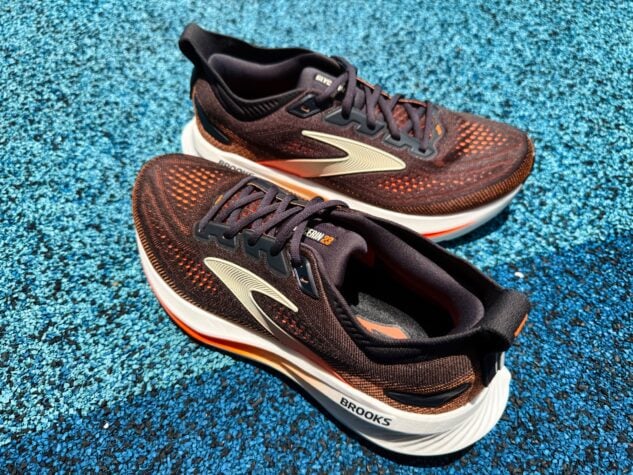
The Glycerin 23 is for 2 types of runners: those who always buy the Glycerin because of its consistency and those who don’t care about price and want an uncomplicated, comfortable daily driver.
I enjoy running in the the Glycerin 23 but having tried more modern trainers, I do find the ride of the Glycerin 23 a bit too plain vanilla. I wish they had used a more exciting midsole foam, like DNA Gold, a Brooks PEBA foam. Other brands are using PEBA in their max-cushioned trainers.
$175 is a high asking price for a trainer that feels premium but doesn’t do anything special or unique. It’s only $5 cheaper than exciting, taller trainers like the Nike Vomero Plus and the PUMA MagMax 2.
The Brooks Ghost 17 has a similar ride to the Glycerin 23 but is $25 cheaper. The Ghost’s upper doesn’t feel as premium as the Glycerin’s but it’s still a very comfortable, plush upper.
How does the Glycerin 23 compare?
Nike Vomero Plus

Brooks Glycerin 23
Asics Gel Nimbus 28
Why you can trust us
As editorial policy, we do not accept free samples from companies.We purchased this pair of Brooks at Running Warehouse with our own money.
This page contains affiliate links. As an Amazon Associate we earn from qualifying purchases. Read more about our policy.


Reviewed by Brandon

Brandon is a South African marathoner based in Malaysia, where the humidity is high and his shoe rotation is even higher. He’s a runner with a full-blown addiction to running shoes. Most people buy shoes to run—Brandon runs to justify buying more shoes. If there’s a new drop, he’s probably already logged 100km in them.
User feedback (0)

Similar shoes to Brooks Glycerin 23

Brooks Adrenaline GTS 25 Review


Brooks Hyperion 3 Review