


Nike Pegasus 42 review

Nike Pegasus 42 Verdict
The pros
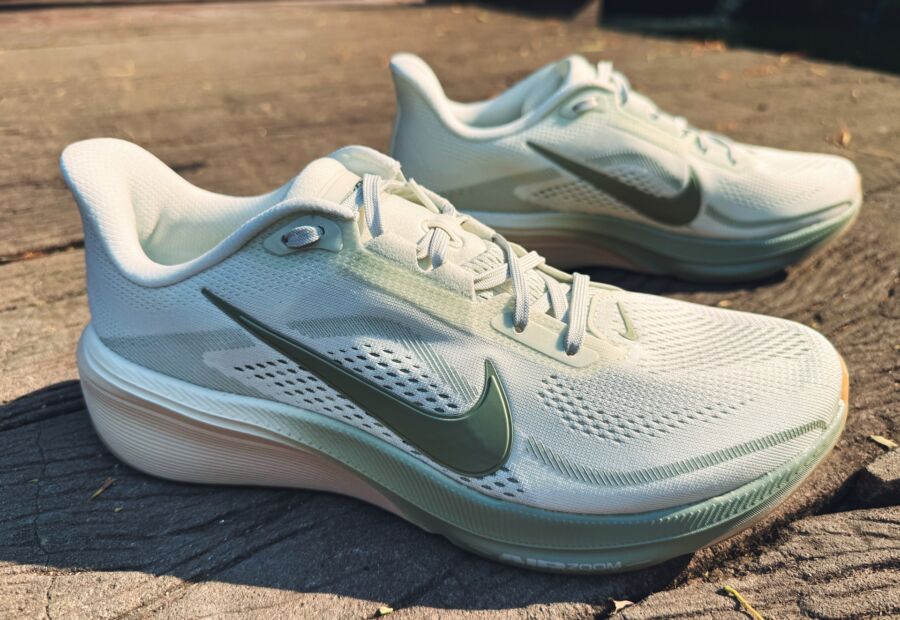
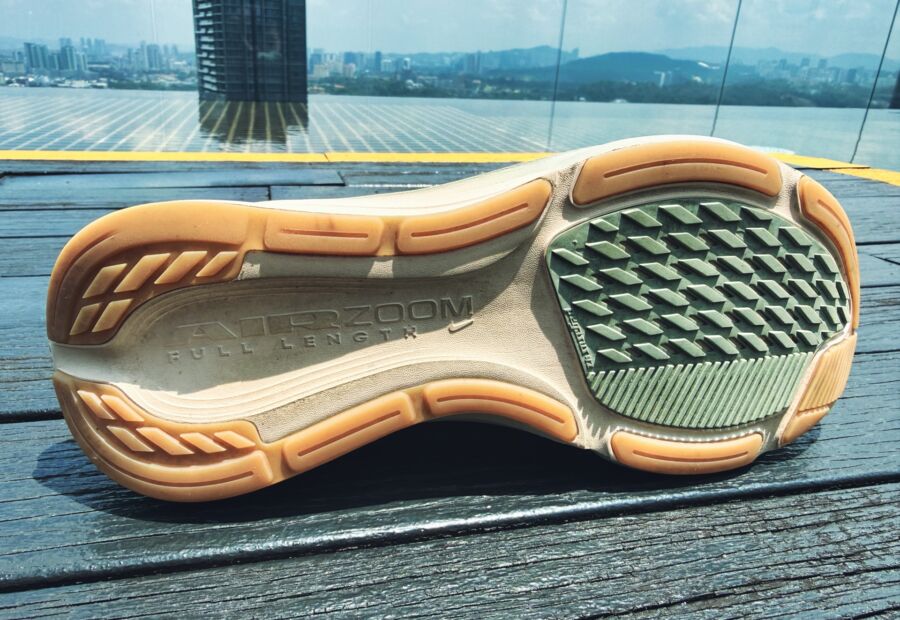
- Stylish design- one of the better looking daily trainers
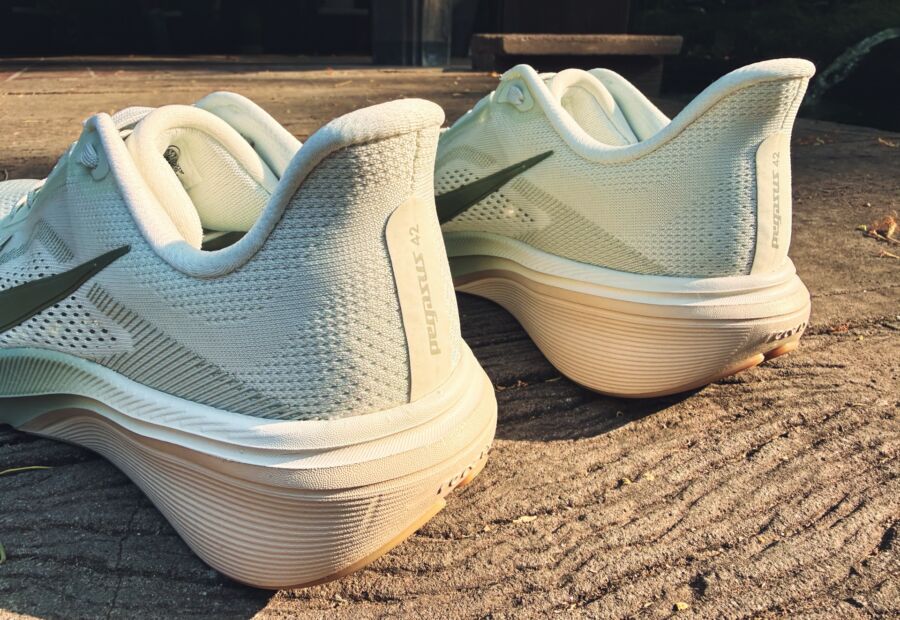
- Big reflective strips on the heel
- Stable and supportive ride
- Soft and padded upper
- Tough, durable outsole
The cons
- ReactX midsole feels flat and outdated
- High 10 mm drop favours only heel strikers
- Very narrow toe box




Rating breakdown
The facts
Size & fit
Cushioning & ride
Who should buy the Nike Pegasus 42 ?
If you buy the Pegasus every year, the Pegasus 42 is a slight upgrade with a smoother ride.
If you want a really durable, well built daily trainer with an outsole that will last a long time, you should get the Pegasus 42.
Who should not buy the Nike Pegasus 42 ?
If you want a fun daily trainer with good energy return and bounce, the Pegasus 42 will feel too dull.
If you want a versatile daily trainer for all paces and distances, the Pegasus 42 won’t feel fast enough or cushioned enough.
Nike Pegasus 42 Introduction

When the original Pegasus dropped in 1983, it moved 300,000 pairs in the first six months. It was the first shoe to put air only in the heel, the Air Wedge Nike called it- positioned exactly where your foot strikes the ground.
Then the nineties happened and Nike eventually pulled it from the line entirely. It came back in 2000 as the Air Pegasus 2000 with full-length air. The Pegasus 35 shifted to a full-length Zoom Air unit again and sold 12 million pairs in a year.
I’ve owned 10 different versions of the Pegasus over the years. My favourite was version 32 and my least favourite was version 36. The thing that I respect the most about all the Pegasus versions over the years is how durable and how well-built they feel.
Somewhere in the last five or six years, the Pegasus became the shoe that you buy when you want a gym or walking shoe that you can also occasionally run in. It’s fine. It does its miles without complaining and asks nothing of you in return.
The Pegasus 41 that came out 2 years ago was one of the most visually different versions; however, it still rode like a typical Pegasus due to the air bag and outdated foam setup: firm and bland. After testing it, I only used it for gym and casual wear.
The Pegasus used to always be the biggest running shoe release of the year but there were no carbon plated racing shoes or super foams back then. The Pegasus was the shoe that runners got excited about. Now, it just exists. The running equivalent of a grey rental car.
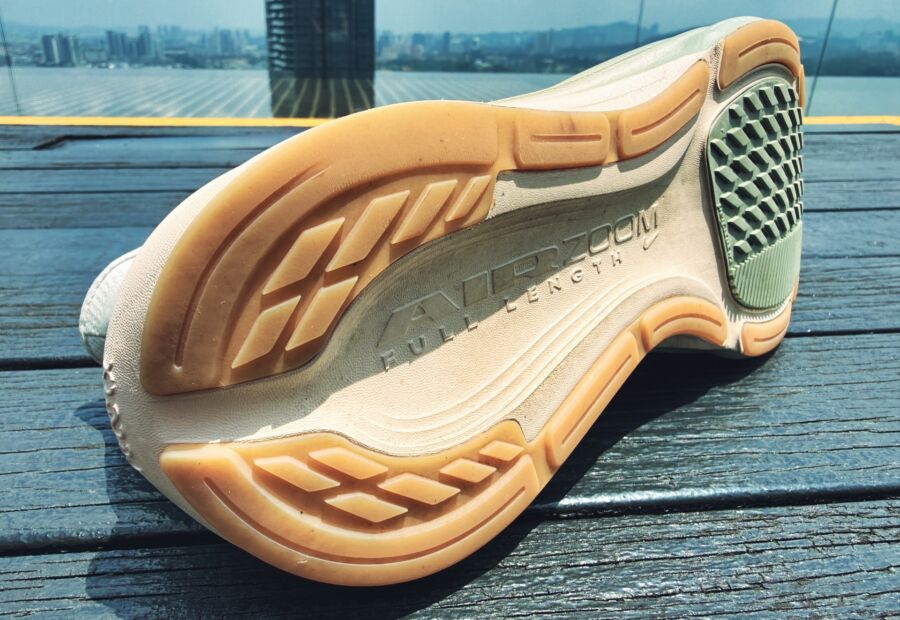
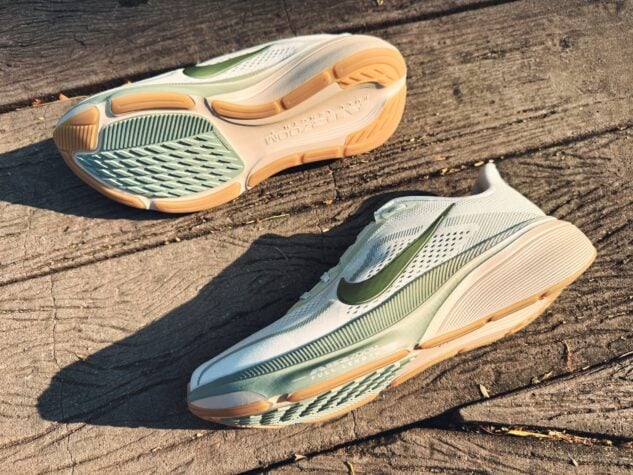
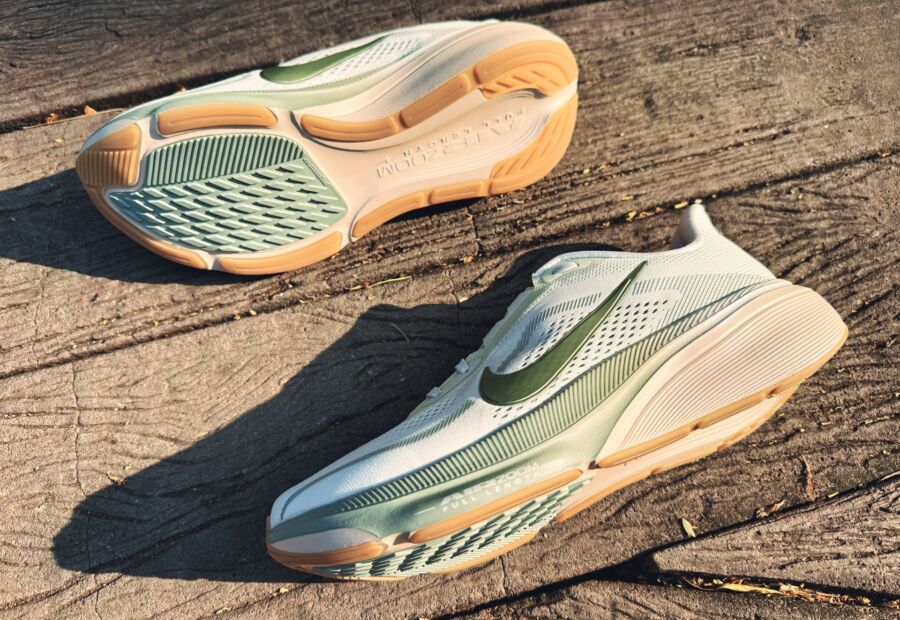
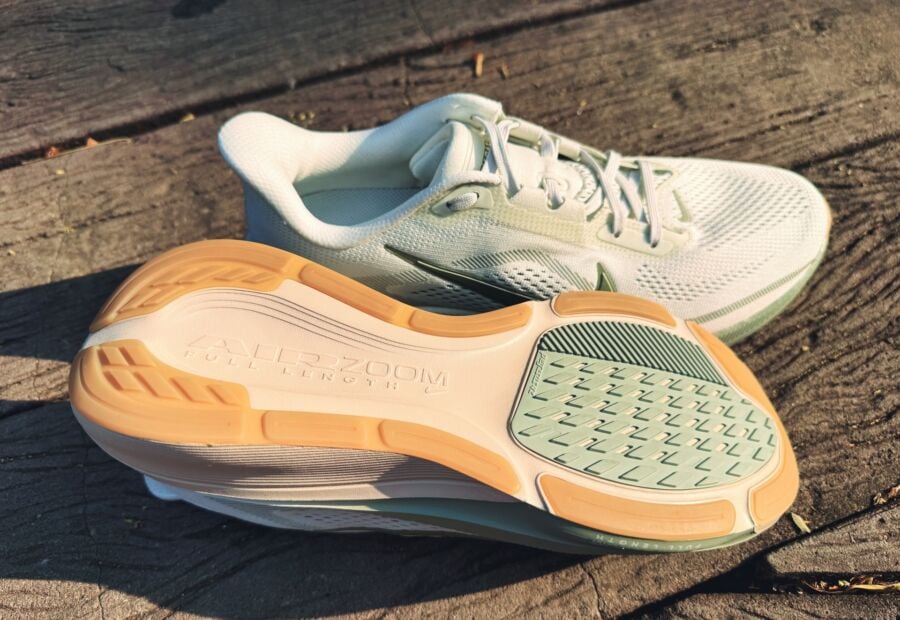
So here’s the 42 with a new full-length, curved Air Zoom unit (which isn’t exactly new) and a slightly roomier toe box. Nike also says that it has an increased toe spring thanks to an updated geometry.
The real question is whether anyone at Nike can revive the Pegasus and make runners fall in love with it again.
Testing Details
- 10.5 km easy run at 6:22 per km
- 12 km recovery run at 7:12 per km
- 11 km easy run at 6:22 per km
- 8.5 km recovery run at 7:13 per km
- 10.6 km recovery run at 7:10 per km
- 23 km long run at 6:26 per km
- 6 km recovery run at 6:59 per km
Nike Pegasus 42 First Impressions

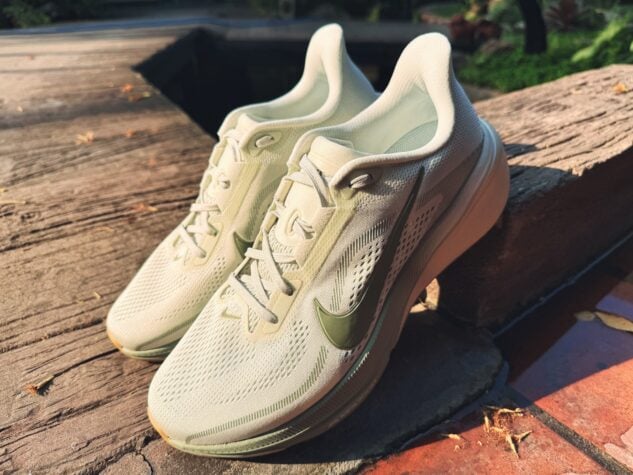
When I tried the Pegasus 42 on in the store, the toe-box felt too tight for me so I decided to size up. A half size bigger was way more comfortable. This is the first Pegasus that I’ve gone a half size up in.
My first run was a 6 kilometre recovery run. The ride felt very similar to the previous version. The cushioning was medium-firm and there wasn’t much energy return from the midsole.
The only difference was that transitions felt smoother thanks to the full-length Zoom Air unit. The previous version had separate air units and the forefoot air unit felt lumpy.
Nike Pegasus 42 Upper

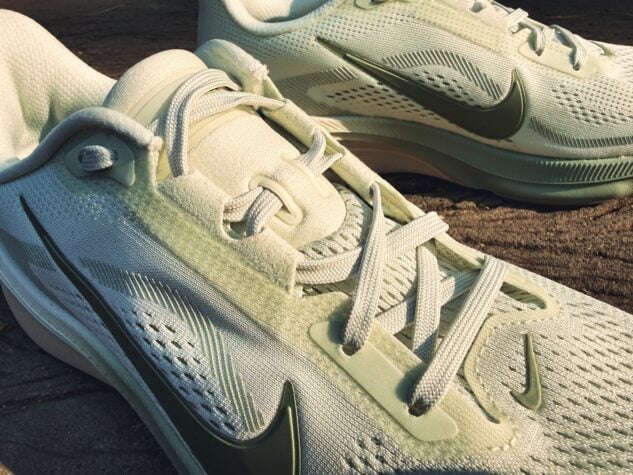
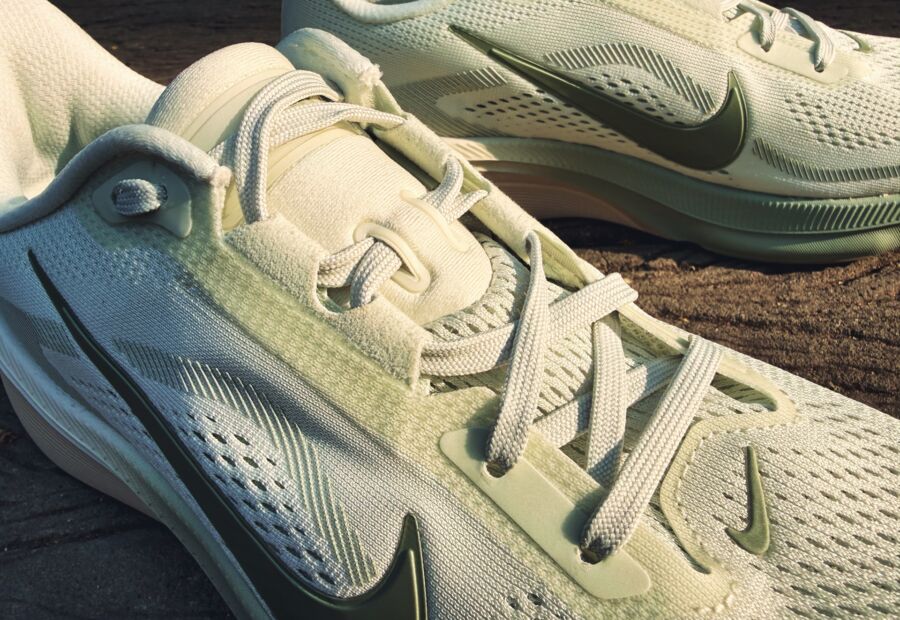
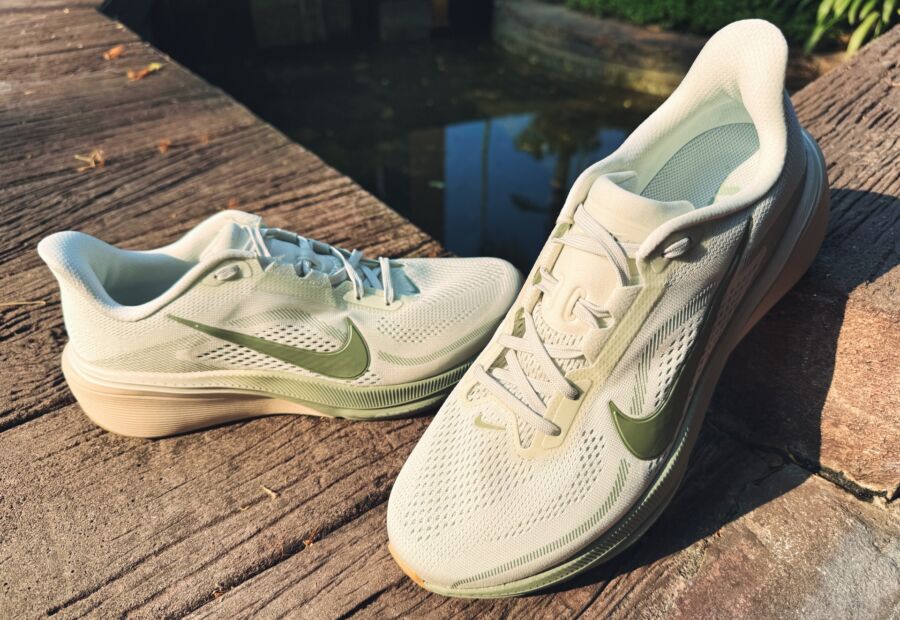
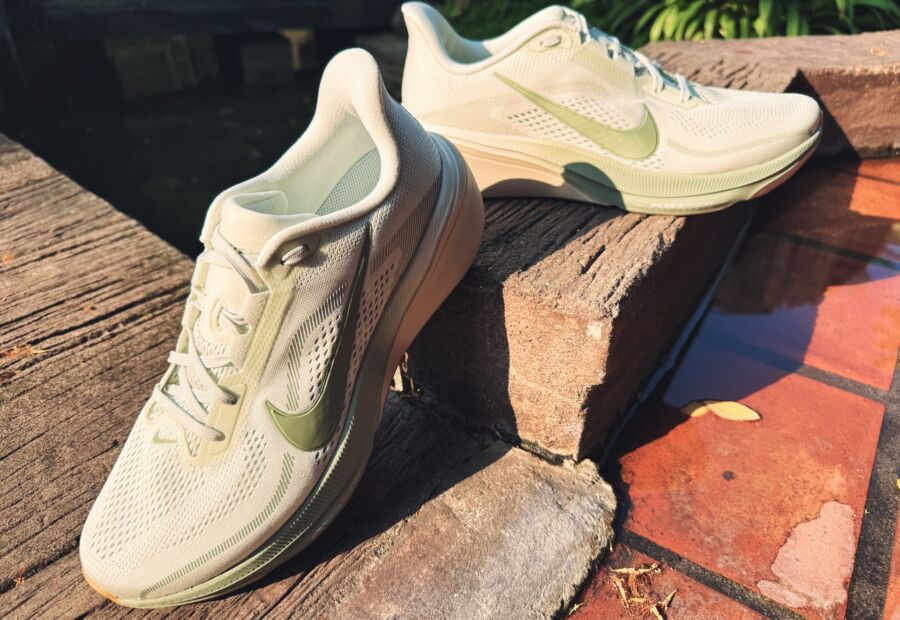
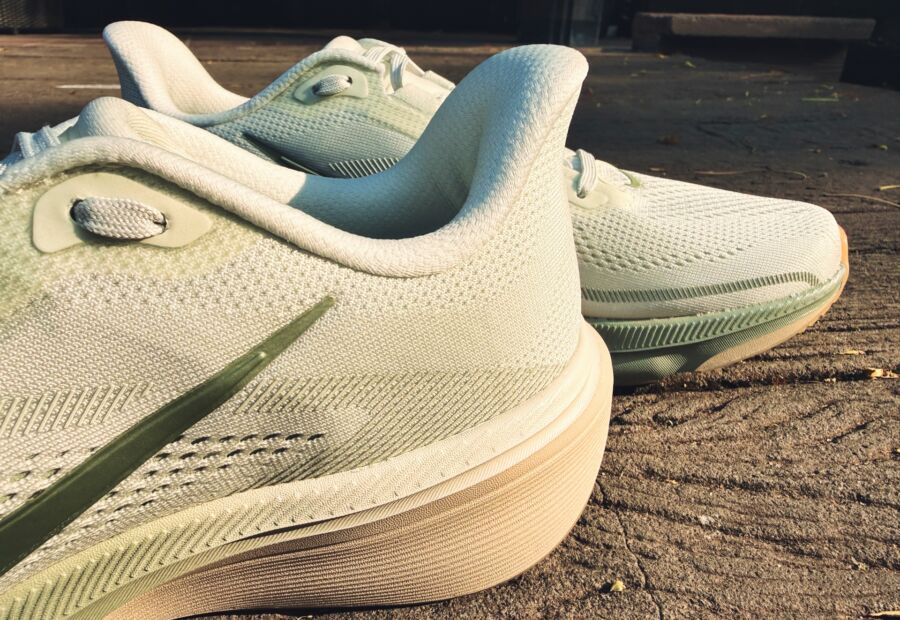
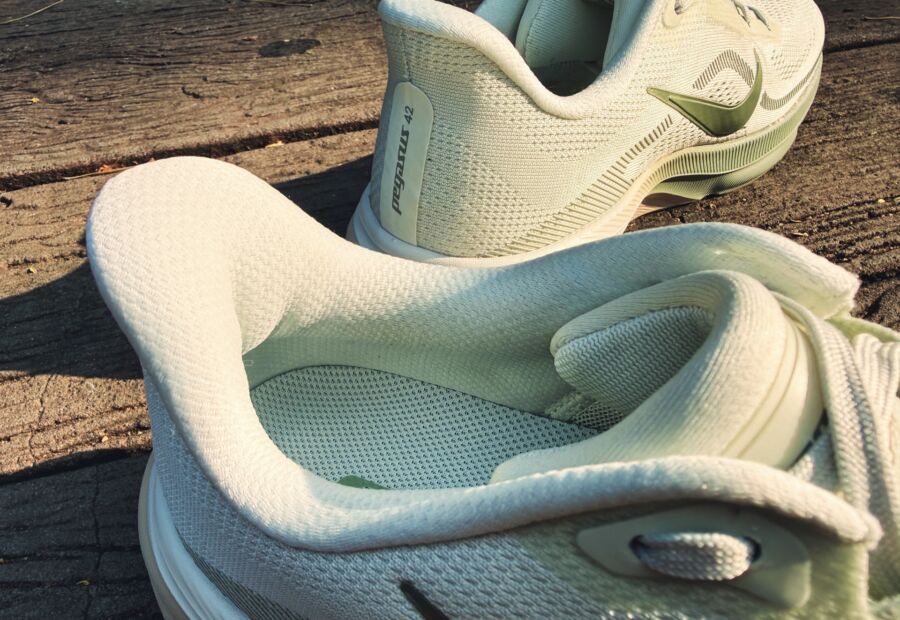
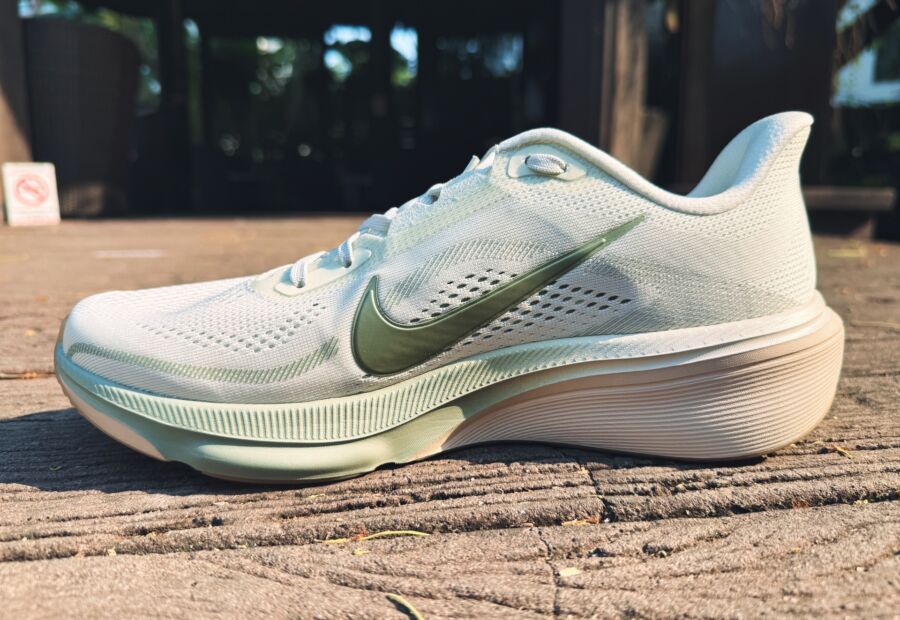
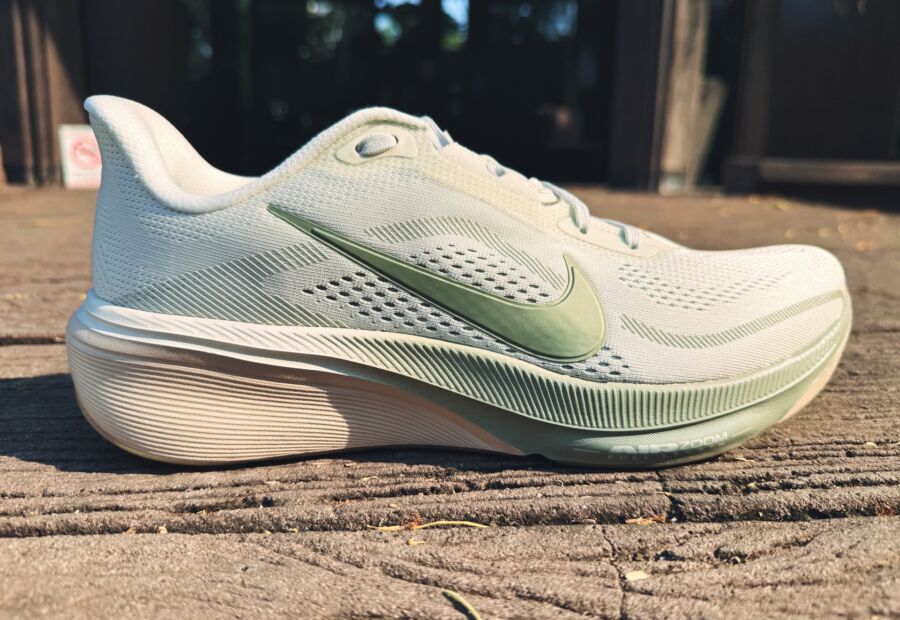
The Pegasus 42’s upper is far better than its midsole and it’s the best Pegasus upper to date. It’s padded in all the right places and foot lockdown is superb.
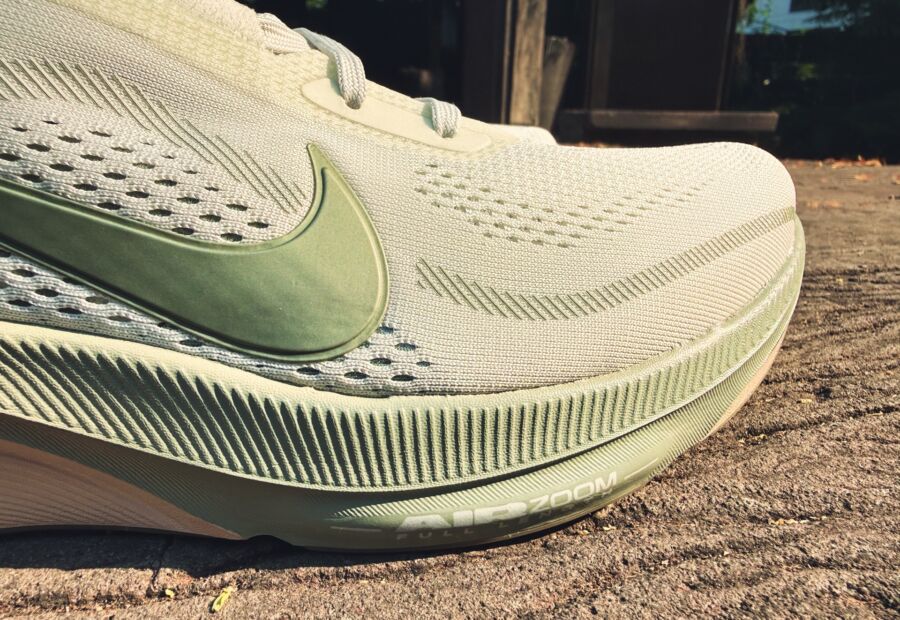
The tongue is semi-gusseted and it doesn’t slide around. There are also big reflector strips on the heel for safety. The upper is on the warm side because of the padding but breathability is decent- there are plenty of ventilation holes on the toe box and side panels.

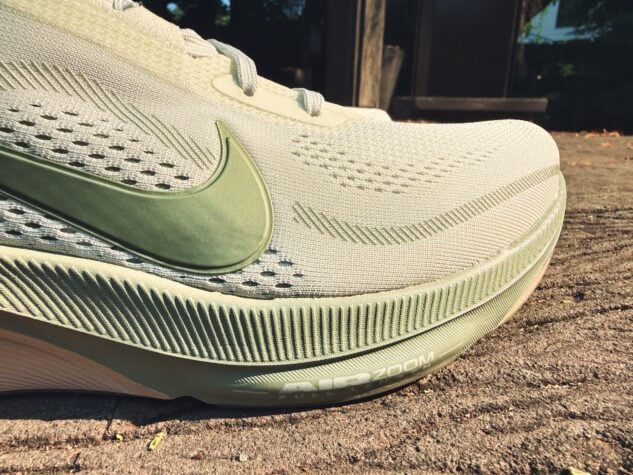
It’s a very narrow toe box so you need to go up a half size (or get the wide version) if you prefer a more spacious interior for your feet to swell. If you’re only using it for casual wear, going true to size is fine.
Nike Pegasus 42 Sole Unit

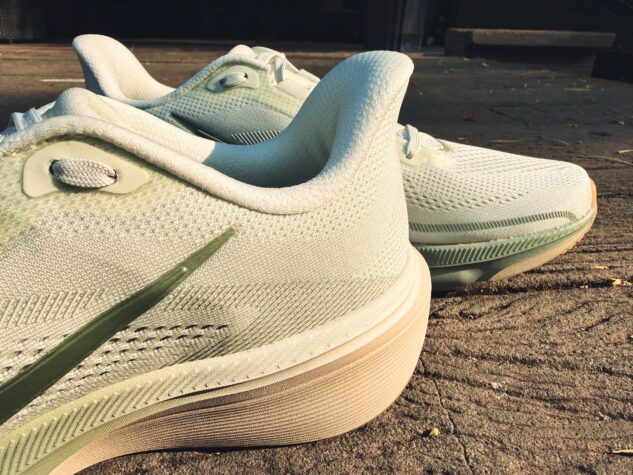
The ride of the Pegasus 42 feels familiar rather than exciting and if you’ve run in previous versions of the Pegasus, you’ll be able to run in v42 blindfolded and be able to identify it. It has that distinct dense, rubbery, Pegasus midsole feel.
The ReactX in the midsole is the same as in the Pegasus 41 and it doesn’t feel very lively. The closest midsole foam to ReactX is FF Blast Max that’s in the ASICS Cumulus 28. Both these midsoles feel like they are from 5 years ago- not much compression and decompression during transitions.
I only use the Pegasus for easy/recovery runs because it doesn’t enjoy picking up the pace. I don’t feel a lot of responsiveness from the ReactX and the Zoom Air unit also doesn’t provide much bounce so it’s difficult to pick up the pace in it.
A large percentage of Pegasus buyers use it for only walking or casual wear so the design doesn’t have a forefoot rocker (even though Nike advertises a higher toe spring). This contributes to flat feeling, slow transitions; that’s why I don’t use the Pegasus for any type of uptempo or long run.
The longest run I did in the Pegasus 42 was 23 kilometres and I wouldn’t do anything longer in it. It has decent stack height but it doesn’t feel like a very cushioned trainer. The softer Nike Vomero and Vomero Plus have forefoot rockers and are much better long run trainers.

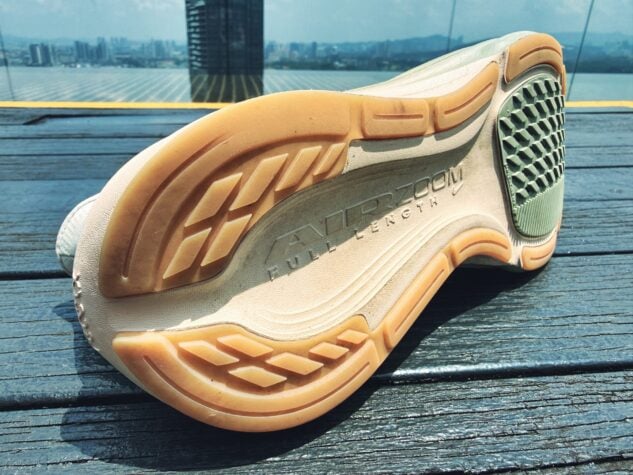
With a 10 mm drop, the Pegasus is considered a high drop trainer and the rearfoot feels much more cushioned than the forefoot. This alienates all runners who are forefoot strikers because the forefoot doesn’t feel cushioned enough.
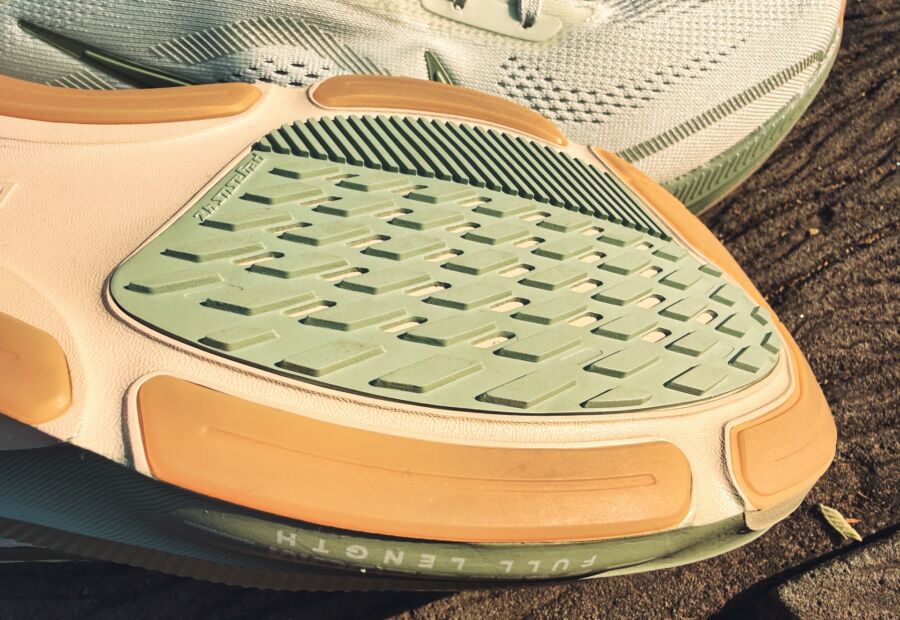
The durable outsole is a strength of the Pegasus 42. It’s not called Waffle traction anymore but there are still protruding rectangles on the forefoot to bite into the ground. The hard rubber on the high wear areas is supremely abrasion resistant and lasts long.
Nike Pegasus 42 Conclusions

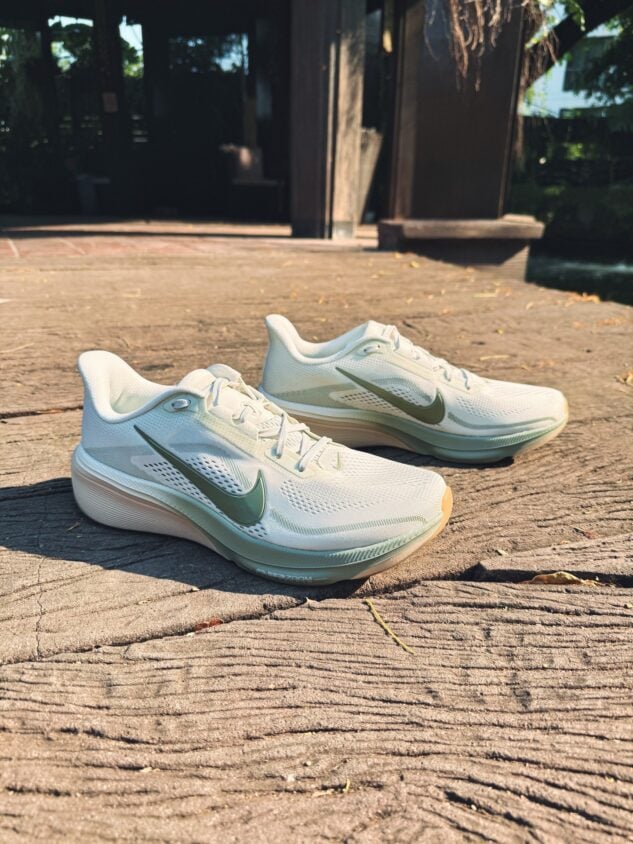
The Pegasus 42 is not the upgrade I was hoping for. It’s still one of the heaviest daily trainers on the market- the Saucony Ride 19, ASICS Cumulus 28, HOKA Clifton 10 and Brooks Ghost 17 are all lighter than the Pegasus 42 and its midsole doesn’t feel more cushioned.
The biggest crime is that the Pegasus feels more like a casual walking shoe than a modern day, mid-range daily trainer. The ride feels flat, there’s no rocker and it’s too firm. It’s not a running shoe that I look forward to running in and it doesn’t feel very inspiring.
I don’t think that the Zoom Air in the Pegasus contributes anything in terms of performance and it adds weight. ReactX also needs to be upgraded to a supercritical foam or it needs to be reformulated to be much softer.
Compared to the Pegasus 41, the Pegasus 42 is slightly better because the ride is smoother- the forefoot isn’t lumpy like the 41 as the Zoom Air unit is full-length. Overall, the rides are very similar though and if you just bought the 41, you don’t need to buy the 42.
How does the Pegasus 42 compare?
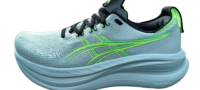
Asics Gel Nimbus 28
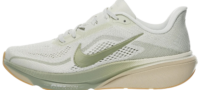
Nike Pegasus 42
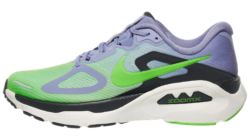
Nike Vomero 18

Why you can trust us
As editorial policy, we do not accept free samples from companies.We purchased this pair of Nike at Running Warehouse with our own money.
This page contains affiliate links. As an Amazon Associate we earn from qualifying purchases. Read more about our policy.


Reviewed by Brandon

Brandon is a South African marathoner based in Malaysia, where the humidity is high and his shoe rotation is even higher. He’s a runner with a full-blown addiction to running shoes. Most people buy shoes to run—Brandon runs to justify buying more shoes. If there’s a new drop, he’s probably already logged 100km in them.
User feedback (1)
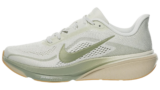

Similar shoes to Nike Pegasus 42






4 months ago
How on earth did people run fast before 2015 when there were no bouncy shoes on this planet?