Nike Structure Plus First Look: ZoomX Finally Comes to Stability
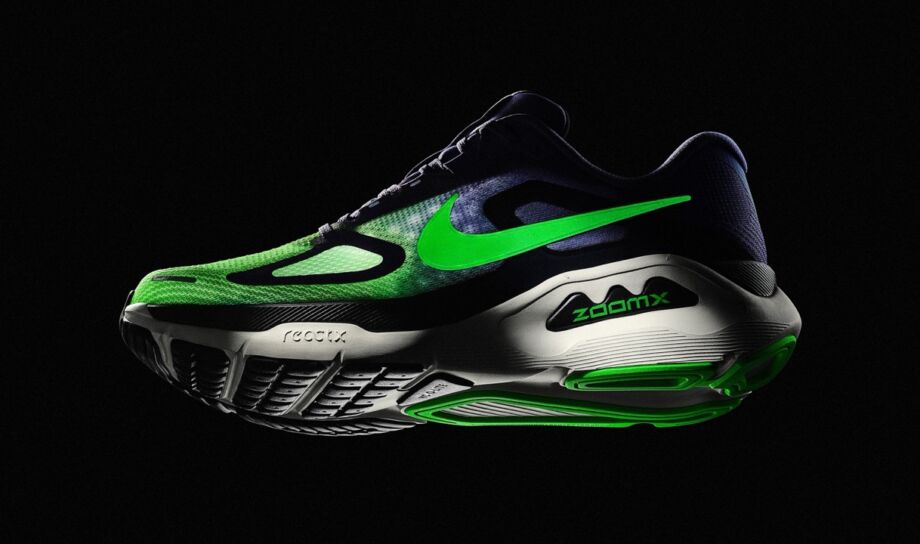

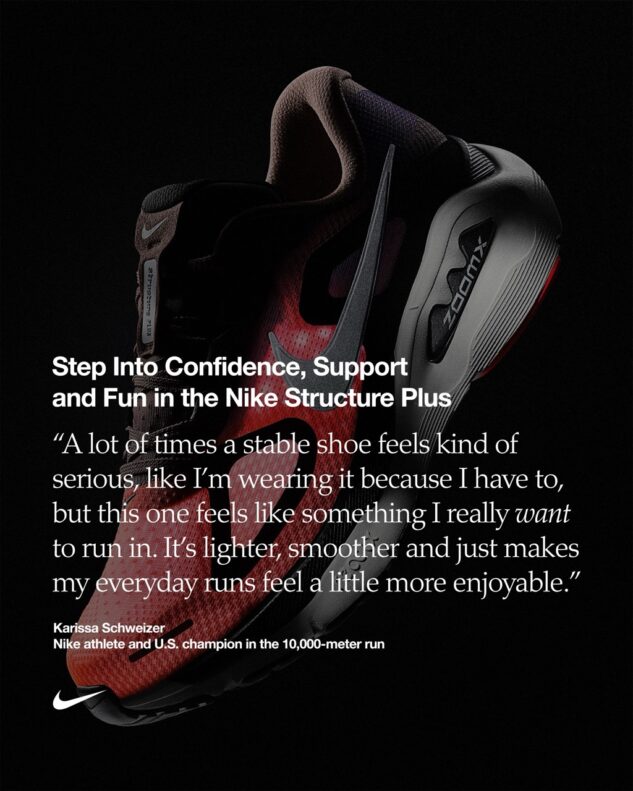
Nike has officially announced the latest addition to its revamped road running lineup: the Nike Structure Plus.
Following a massive strategic shift in how the brand categorizes its footwear, the Structure Plus arrives as the “super-trainer” sibling to the recently released Structure 26. For runners familiar with the recent changes to the Pegasus and Vomero lines, the naming convention here will make sense. For everyone else, it requires a little explaining.
Here is the breakdown of what the Structure Plus offers, the release details, and how it fits into Nike’s new footwear matrix.
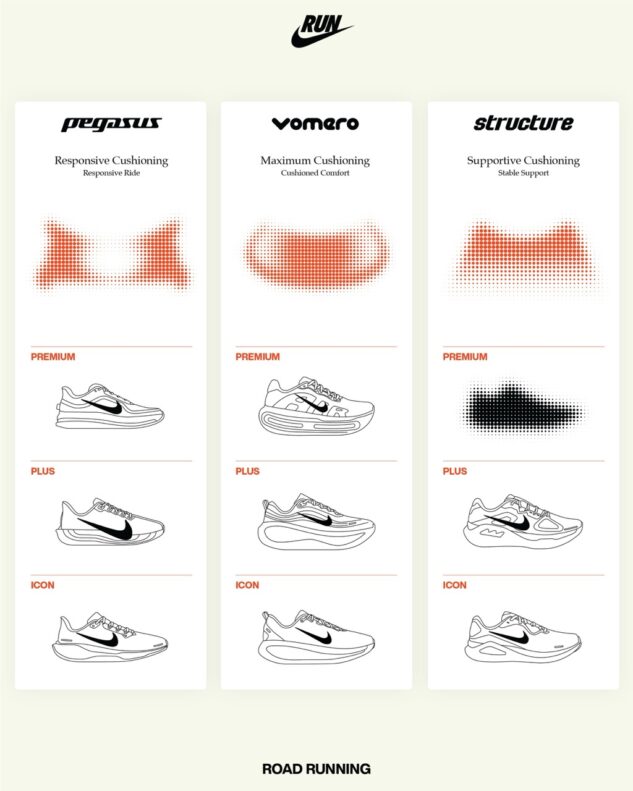
To understand this release, it helps to look at the broader picture. Nike has simplified its road running offerings into a grid of three distinct “franchises” based on the ride experience, with each franchise offering three tiers of performance (Standard, Plus, and Premium).

Within the Structure franchise, the new Structure Plus sits in the middle tier. While the standard Structure 26 is designed for a firmer, traditional balance, the Structure Plus is engineered to offer higher energy return and softer cushioning without sacrificing support.
The headline news is the introduction of ZoomX foam to the Structure line. For years, stability runners have been asking for the “super foam” treatment that neutral runners get in the Invincible or Vaporfly, and Nike is finally delivering it here.

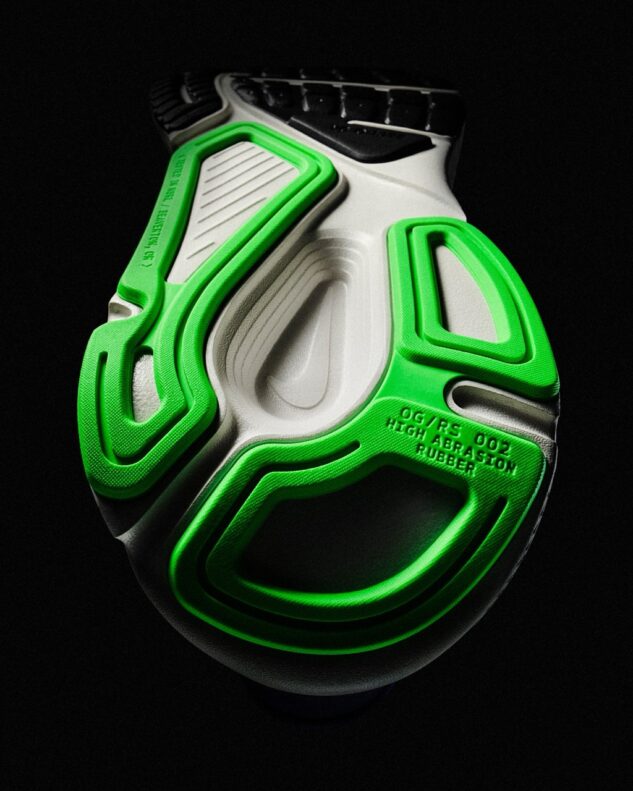
The shoe utilizes a dual-density setup. It features a ZoomX midsole (for bounce and energy return) housed within a ReactX foam carrier.
Why this matters: ZoomX is notoriously soft and inherently unstable. By casing it in ReactX (which is firmer and more durable), Nike aims to provide the “pop” of a racer while maintaining the structural integrity required for a stability shoe. This is a similar approach to what we’ve seen work successfully in other “super stability” shoes like the Saucony Tempus.
Nike continues to move away from rigid medial posts. The Structure Plus relies on a “midfoot support system” that wraps the medial arch and lateral heel. Stability is further achieved through geometry and stack height.
Speaking of height, the shoe sits on a massive 42mm heel and 32mm forefoot (10mm drop). These are the tallest stack heights ever in the Structure line.

According to the press release, these two shoes will coexist, not compete.
The “Stability” category has been undergoing a renaissance lately. Brands are realizing that runners who pronate still want fun, bouncy shoes. The Structure Plus appears to be Nike’s direct answer to competitors like the Saucony Tempus or the Hoka Arahi, attempting to shed the reputation that stability shoes must be heavy, stiff, and medical-looking.
The 42mm stack height is aggressive. It will be interesting to see if the ReactX carrier is firm enough to keep that much foam from feeling wobbly for severe overpronators. If they nail the balance, this could be a top contender for long-distance training for those needing support.
The Nike Structure Plus is scheduled for a staggered release:
We will have a full, in-depth review of the Nike Structure Plus as soon as we get pairs in for testing.