Best Running Shoes for Heavy Runners

By Ruggero Loda, Founder and Publisher, Running Shoes Guru · Updated
Every shoe bought with our own money and run 50+ miles before we score it. How we test
This guide is not only for overweight people: for the purpose of this article we consider heavy runners men that are heavier than 80kg/180 lbs and women heavier than 70kg/155 lbs.
You can be a 85kg man, tall, and be in an amazing shape. Not fat - but heavier in the context of buying running shoes.
While running, your joints will have to sustain anything between 3 and 5 times your bodyweight with each step. Good form and proper running shoes are important for all runners, but even more so for runners at a higher weight.
Since 2009 we have bought, tested and reviewed more than 1,300 pairs of shoes. This is our selection of the best running shoes for heavier runners in 2024.
The 5 Best Running Shoes for Heavier Runners
-
Best for Daily Training
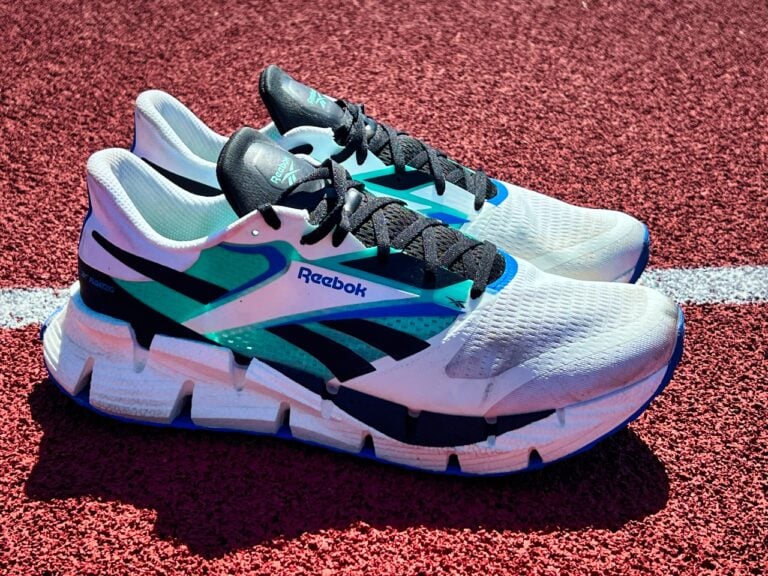
Reebok FloatZig 1
The FloatZig are a comfortable, soft daily trainer that's ideal for heavier runners.
9.8 oz · 6 mm drop
9/10expert score
-
Best Supportive Daily Trainer
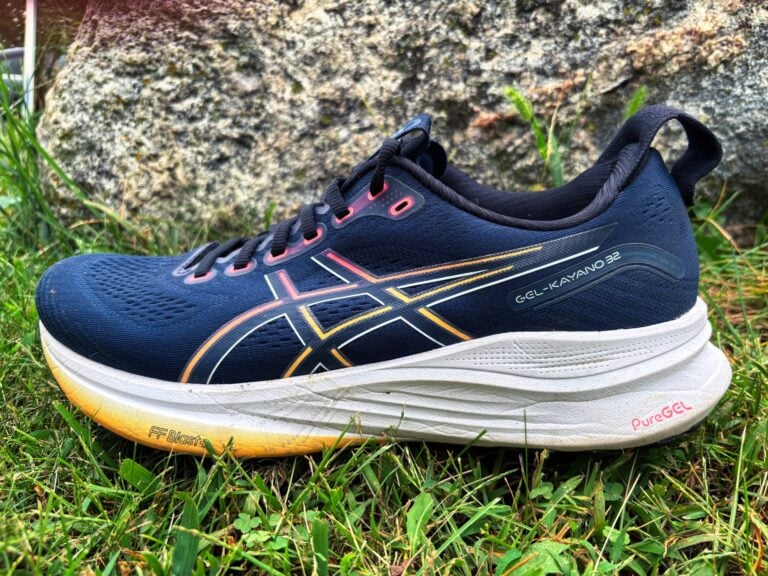
Asics Gel Kayano 32
The Kayano continues the change it went through in edition 30, to become a soft, stable and comfortable running shoe.
10.5 oz · 8 mm drop
10/10expert score
-
Best Long Run Trainer
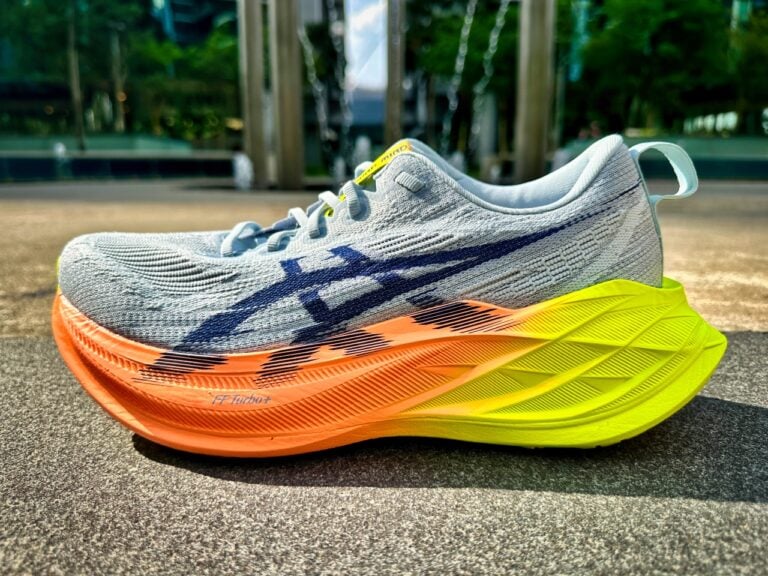
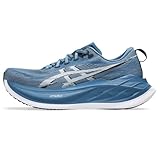
Asics Superblast 2
Max cushioning and a very stable ride, comfortable at any pace from recovery runs to marathon pace.
9 oz · 8 mm drop
8/10expert score
-
Best for Fast Training
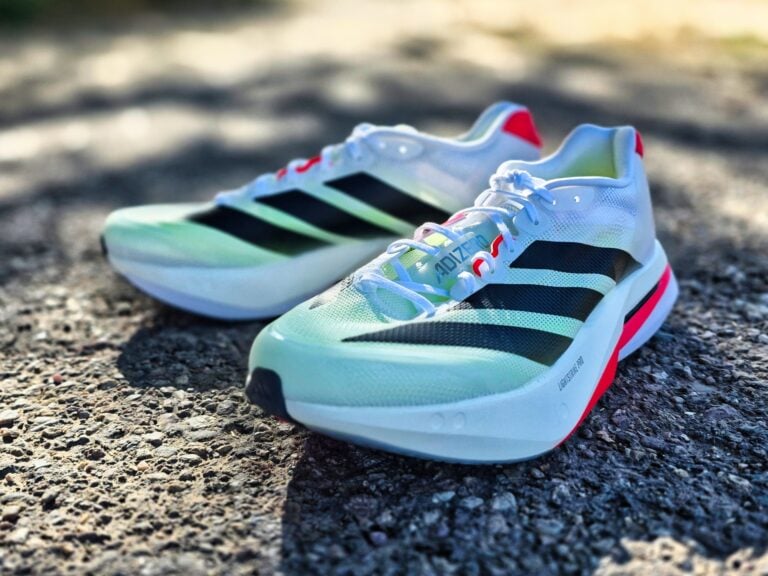
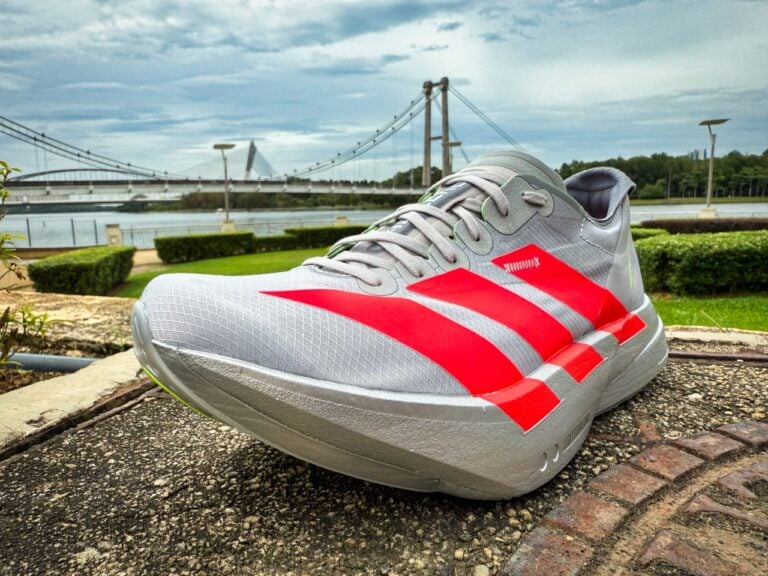
Adidas adizero Boston 13
The Boston 13 is equally at home on tempo runs and long runs, and it can double as a budget-friendly race-day shoe.
9 oz · 7 mm drop
8/10expert score
-
Best for Trail Running
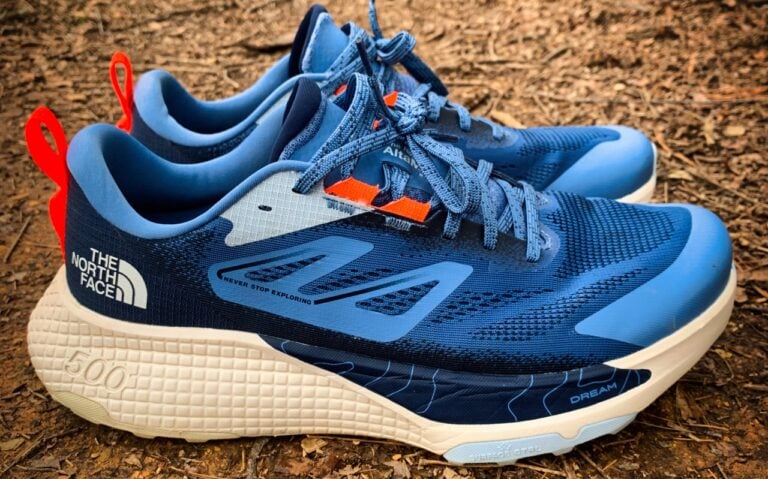
The North Face Altamesa 500
The North Face Altamesa 500 is a max cushion trail shoe that can handle long distances, even ultramarathons.
10.4 oz · 6 mm drop
8/10expert score
-
Best Marathon Racer
Adidas Adizero Adios Pro 4
Now built for the marathon: the softer, bouncier Lightstrike Pro foam gives the Adios Pro 4 far more long-distance comfort than the Pro 3.
7.1 oz · 6 mm drop
8/10expert score







We earn a commission if you buy through these links. It never changes a score. How we work
Best for Daily Training
Our daily trainer criteria stays the same: we are looking for good neutral shoes with great comfort and durability - but with the twist of adding extra cushioning.
Luckily in 2024 high-cushion shoes don't need to weigh a ton anymore!
Our pick
Reebok FloatZig 1
9/10expert score
Why it won: Reebok FloatZig 1
The FloatZig are a comfortable, soft daily trainer that's ideal for heavier runners. Don't let the unconventional looks or the name "Reebok" cloud your judgement.
The pros
- Incredibly plush cushioning
- Very light
- Great traction on all surfaces
The cons
- Cushion soft enough to make it feel unstable at times
- Upper can feel a little loose.
- Cushion starts breaking down quicker than some competitors
- Weight
- 9.8 oz
- Drop
- 6 mm
- Heel / toe (mm)
- 31 / 25
- Carbon plate
- No plate
Read the full FloatZig 1 review Rating breakdown, size & fit, who should buy it
Best Supportive Daily Trainer
Modern stability running shoes are not the clunky, rigid and heavy monsters that they used to be. Here's a selection of three stability running shoes with high cushion that are perfect for heavier runners who need some extra support in their stride.
Our pick
Asics Gel Kayano 32
10/10expert score
Why it won: Asics Gel Kayano 32
The Kayano continues the change it went through in edition 30, to become a soft, stable and comfortable running shoe.
The pros
- Comfort
- 4D Guidance System
- Versatility
The cons
- Breathability
- Weight
- 10.5 oz
- Drop
- 8 mm
- Heel / toe (mm)
- 40 / 32
- Carbon plate
- No plate
Read the full Gel Kayano 32 review Rating breakdown, size & fit, who should buy it
Best Long Run Trainer
What shoe would we recommend for a heavier runner, to do their long runs? Or maybe even a 3 to 4 hour marathon? Here it is!
Our pick
Asics Superblast 2
8/10expert score
Why it won: Asics Superblast 2
Max cushioning and a very stable ride, comfortable at any pace from recovery runs to marathon pace. The original Superblast was one of the most successful shoes of last year. The second version picked up a little weight, but it also comes with a vastly improved upper with better breathability and fit.
The pros
- Excels at most runs slower than threshold pace
- Stones no longer get suck in the outsole
- Very stable ride for such a tall sole
The cons
- Heavier than the previous version
- Only available in a single width
- Slower than v1
- Weight
- 9 oz
- Drop
- 8 mm
- Heel / toe (mm)
- 46 / 38
- Carbon plate
- No plate
Read the full Superblast 2 review Rating breakdown, size & fit, who should buy it
Best for Fast Training
These shoes are best for your fast training efforts or maybe for a sub-3 marathon.
Our pick
Adidas adizero Boston 13
8/10expert score
Why it won: Adidas adizero Boston 13
The Boston 13 is equally at home on tempo runs and long runs, and it can double as a budget-friendly race-day shoe. A reliable workhorse rather than the bounciest shoe out there.
The pros
- Lightweight Upper
- Sleek Design
- Energy Rods
The cons
- Lacing
- Tongue
- Weight
- 9 oz
- Drop
- 7 mm
- Heel / toe (mm)
- 37 / 30
- Carbon plate
- No plate
Read the full adizero Boston 13 review Rating breakdown, size & fit, who should buy it
Best for Trail Running
Running on trails is usually softer than running on concrete. For this reason you don't have to focus on cushioning as much as you would do for a road shoe.
Here are our three favorites:
Our pick
The North Face Altamesa 500
8/10expert score
Why it won: The North Face Altamesa 500
The North Face Altamesa 500 is a max cushion trail shoe that can handle long distances, even ultramarathons. Comfort and durability are just two of the many attributes that you’ll love if you give these shoes a try.
The pros
- All day comfort
- Lots of cushion
- Premium quality
The cons
- Heavy
- Timid tread pattern
- Weight
- 10.4 oz
- Drop
- 6 mm
- Heel / toe (mm)
- 38 / 32
- Carbon plate
- No plate
Read the full Altamesa 500 review Rating breakdown, size & fit, who should buy it
Best Marathon Racer
These are the so-called "super shoes": carbon-plated, ultra light and cushioned just the right amount, their purpose is not to last you a long time, but simply to run your race as fast as you can (and also a little faster).
Our pick
Adidas Adizero Adios Pro 4
8/10expert score
Why it won: Adidas Adizero Adios Pro 4
Now built for the marathon: the softer, bouncier Lightstrike Pro foam gives the Adios Pro 4 far more long-distance comfort than the Pro 3. It is less stable than before and the toe box is narrow (go up half a size), so heavier runners who need a stable racer should look at the Alphafly 3 instead.
The pros
- Carbon Energy Rods feel more natural than a plate
- Updated upper is more comfortable and more premium
- Increase in long-distance comfort thanks to a softer ride
The cons
- Does not fit true to size because of the narrow toe-box
- Less prominent forefoot rocker than v3
- Not as stable as v3
- Weight
- 7.1 oz
- Drop
- 6 mm
- Heel / toe (mm)
- 39 / 33
- Carbon plate
- No plate
Read the full Adizero Adios Pro 4 review Rating breakdown, size & fit, who should buy it
What to consider
As for any other kind of running shoe, the first thing to consider is what will you be using these shoes for?
Different types of shoes for different purposes
- Daily Trainer: if you only have one running shoe to do all your running in, this should be your daily trainer. These are neutral, comfortable, versatile and durable shoes that will take you through most (of all) of your training.
- Supportive Daily Trainer: many runners, me included, have weak ankles that wobble while running. This is risky because at best you are not cushioning your stride properly and at worst (as it happened to me more than once) you might end up spraining your ankles. Choose a supportive daily trainer if you want one shoe for most of your running, and you want a shoe that will support and protect you.
- Fast Trainer: fast trainers are running shoes that are either lighter or more responsive (usually both) than a daily trainer – but cheaper and more durable than a proper racing shoe.
- Trail Running: this is self-explanatory, but if you run off-road you need shoes that focus on things like traction (you don’t want to slip on wet surface or rocks), protection (a protruding stick should not puncture your foot) and comfort.
- Racing: Many people run their races (half and full marathons) in their daily trainers or fast trainers. It’s understandable: they are the shoes you know best and you don’t want surprises during your 26.2 mile race… But if you are an experienced runners and you are trying to beat your PB… these shoes can definitely help you do that.
2 More Things to Consider
- Comfort and Fit: Comfort is the absolute most important factor when choosing a pair of running shoes. Make sure they are nice and snug on your heel and mid-foot (based on preference) and that you have enough room for your toes. Remember your foot can swell up to a size higher when running.
- Responsive vs Plush Cushion: We rate cushion on a scale of “responsive to plush”, where responsive is a snappy feeling of energy return and plush is the softest feeling. Responsive is usually better for going fast, plush is better for going long. But overall, it’s a matter of preferences.
Quick Questions you might have
Even though it has exceptions, calculating your BMI is an easy way to see if you are under or over weight. BMI takes your weight and compares it to your height - the resulting number will indicate where you sit on a scale from seriously underweight to obese.
Running can definitely help you with your weight loss goals - but no amount of running (especially in the beginning) will out-do a bad diet. It's easier to not eat 100 kcal than it is to burn them through running.
A rule of thumb is 100 kcal for each mile run (whatever the speed). Take this with a grain of salt, but it's a decent indication.