Running Shoes That Promise to Improve Your Running Style

Barefoot Running and Forefoot Strike seem to be the key words for runners in 2009. In the last months an increasing number of articles has appeared on newspapers, blogs, forums with a common central theme: traditional running shoes promote a non-ideal running form and running barefoot is what we were created for. At the same time we are seeing more and more Brands launching and promoting shoes that promise to improve your running style, either by creating a barefoot feeling or by promoting midfoot and forefoot strike.
We know how shock absorption during the walking and running gait works: you land on your heel and roll your foot on the ground up to the forefoot, where your foot lifts off. During this motion your arch collapses (pronates), absorbing the shock caused by your bodyweight.
The objection that has been raised is that since men run on Earth in prehistory, they have been doing so barefoot – with a body engineered just to do that. Barefoot running supporters claim that modern running shoes – being overly cushioned – promote an excessive heel strike, leading to poor running form and even more injuries in the long run (no pun intended).
Even accepting the premise, unfortunately our running landscape has dramatically changed since prehistory – and we run on concrete and gravel much more than we do on grass or ground. Therefore we still need shoes to run safe and comfortable. A few sports company are coming up with shoes that promise to improve our running form and free us from the heel strike slavery.
We have a look today at three: the Newton Running, the Nike Free and the New Balance 800.
Newton is a relatively new running shoe company founded by a team of runners in Boulder, Colorado. The name comes from the english father of motion laws. The principle they based their shoes upon is simple: for every action there is an equal and opposite reaction, and it applies to the principle of running – by applying a force to the ground, the ground applies an equal and opposite force on your foot, propelling you up and forward. (You can read more about it in our article Run Fast: How to Increase Your Running Efficiency).
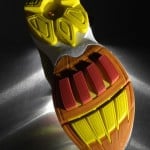
Newton Running developed a whole range of shoes that encourages running on your midfoot/forefoot, a technique and position that helps keep you running more efficiently, injury-free and faster. They refer to this style of running as a Land Lever Lift scenario.
Actuator Lugs
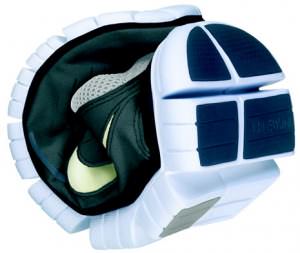
Nike started talking about the advantages of Barefoot Running back in 2005, when they first released the Nike Free running shoe. According to Nike, cushioning and support are needed in order to avoid injuries but, at the same time, all the cushioning and support that modern running shoes provide are making our foot’s muscles lazy. Therefore the Free is created as a training shoe, with which to run a limited number of miles amid your normal running schedule in order to specially train the muscles that are not activated while running with normal running shoes.
Nike Free
We discussed and reviewed the Nike Free 5.0 previously, please read the Nike Free Review where you will also find a video explaining how the shoe was thought and engineered.
New Balance developed its 800 model with the principles of ChiRunning in mind. ChiRunning is a method of running instruction developed by Danny Dreyer, an American Ultramarathon runner and Tai Chi practitioner. Its primary focus is to teach runners to move in a more efficient, natural way (sounds familiar?).
Without entering too much into detail, one of the principles of ChiRunning is midfoot strike as opposed to heel strike. The NB MR800 was designed in order to provide the maximum benefit for runners who strike with their midfoot.
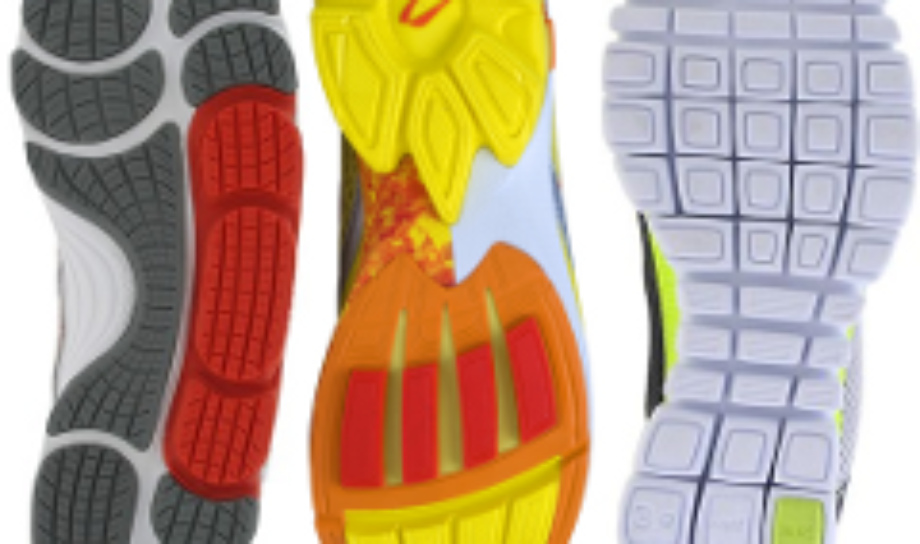
What you can notice by looking at its sole unit, is the podular construction. The shoe provides the usual cushioning through foam. Since midfoot strikers apply most of their force on the lateral (external) side, there is where NB concentrated their cushioning efforts. Further, the height of the heel is lower than traditional running shoes in order to make it easier for a runner to land on the midfoot.
Both these shoes divide runners into two groups: the ones who use them and swear by the improvements they achieved, and the skeptical ones. We tend to agree that running is not only about pounding mile after mile week after week (even though this is the essence of running training). Running form is extremely important both in preventing injuries and help us run longer, or faster.
While Nike pushes the Free as a training shoe, and New Balance partnered with the ChiRunning organization, who believes that running performance comes after running enjoyability, Newton Running is seriously pushing its shoes as a mean to achieve greater results and it is actively sponsoring athletes who compete in marathons, triathlons…
So far it is too early to say if the barefoot running movement will prevail over the current “heel cushioned” market. We believe time, and miles, will tell.