


When it comes to running biomechanics, there are three types of runners (click here to find out what runner type you are).
No matter what brand (be it Asics or Nike or NB), running shoes are divided into three main silos, each one addressing the specific needs of one of the three types of runners.
| Runner Type | Shoe Type | Explanation |
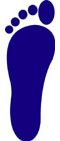 Over Pronator |
Motion Control Shoes
(check our Motion Control Running Shoes Reviews!) |
Motion control footwear emphasizes medial support by having dual density midsoles, roll bars or foot bridges. This medial (inside support) support slows the rate of over pronation. An example of a motion control shoe would be the Mizuno Wave Alchemy 12. |
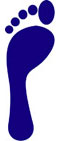 Neutral Pronator |
Stability shoes | Stability footwear combines cushioning features and support features into its design. An example would be the Asics GT 2170 running shoe. |
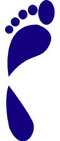 Supinator |
Cushioning shoes
(check our Cushioning Running Shoes Reviews!) |
Cushioned footwear emphasizes enhanced shock dispersion in its midsole and/or outsole design. Many shoe companies add materials to the heel and forefoot areas to enhance the cushioning properties of the shoe i.e. air, gel, hydro flow etc. An example of a cushioned running shoe would be the Nike Pegasus. |
These kind of shoes differ from each other for a whole series of characteristics, the most important of which reside in the midsole of the shoe.
Check out our articles on the anatomy of a running shoe – we will explain you how different shoes help you run !
As an Amazon Associate we earn from qualifying purchases
FREE Running Training Plans


